Taxes
How much should the rich and businesses pay?
Taxes are how a society pays for what it does together, so arguments about them are really arguments about what government should do and who should carry the cost. Some people believe those with more income and wealth can and should contribute a larger share, because they benefit most from a stable economy and because extreme gaps hurt everyone. Others believe that people and firms should keep most of what they earn, because high rates punish effort, discourage investment and push activity elsewhere.
On the 12 Axes this issue mostly moves the welfare axis. Supporting higher taxes on top earners or inheritances points toward the Shared pole, while favoring low taxes even at the cost of services points toward Self-reliant. The issue does not follow party lines neatly. Many conservatives accept taxes for defense and order, and some on the left worry that heavy taxes on ordinary workers are unfair. People also split on which taxes matter, such as taxes on income, on property passed down, or on company profits, even when they agree on the overall size of the state.
What each side argues
Higher taxes on the rich
- Supporters argue that people with high incomes gain the most from public order and infrastructure, so they should pay a larger share.
- Supporters say heavy taxes on large inheritances reduce unearned advantage and keep opportunity more equal across generations.
- Supporters of progressive taxation say it funds schools, health and transport that benefit the whole economy.
Lower taxes for all
- Opponents argue that lower business taxes encourage hiring and investment, which raises wages for ordinary workers.
- Opponents say people should keep what they earn, and that high rates punish work, saving and risk-taking.
- Opponents of heavy taxation warn that wealthy people and companies can move their money or operations abroad.
4 statements on taxes
- Lowering taxes on businesses leads to more jobs and higher wages.Agreeing moves you toward Self-reliant
- People with very high incomes should pay a much larger share of their income in taxes.Agreeing moves you toward Shared
- Large inheritances should be heavily taxed.Agreeing moves you toward Shared
- Taxes should be kept as low as possible, even if it means fewer public services.Agreeing moves you toward Self-reliant
What politicians have said and done
 Angus TaylorLabor's changes to negative gearing and capital gains tax would be repealed, and income tax thresholds would be indexed.Source: rsm.global
 Anthony AlbaneseThe 2026-27 Budget from his government proposed restricting negative gearing to new builds from July 2027 (existing holdings would be grandfathered) and swapping the capital gains discount for indexation.Source: thenightly.com.au
- Anthony AlbaneseHis government delivered tax cuts, and he has supported minimum wage rises as well as scrapping junior pay rates for young adults.Source: alp.org.au
 David ShoebridgeArgues for a tax on corporate wealth, pointing to government data that over 1,000 companies paid nothing in tax during 2025.Source: thenightly.com.au
 Arthur LiraIn July 2025, presenting his report, he called the income tax bill an embryo of a tax reform on income.Source: dgabc.com.br
- Arthur LiraHe said retroactive application of the minimum tax on dividends would cause tremendous legal insecurity, and that his report let profits taxed up to 2025 be distributed without new tax.Source: dgabc.com.br
- Arthur LiraIn September 2025 he backed taxing high incomes to fund the exemption, stressed fiscal neutrality and said the bill should not be designed to raise revenue.Source: tnh1.com.br
 Ciro GomesIn 2022 he proposed merging PIS, Cofins, ISS, ICMS, IPI and CSLL into one value-added tax and removing taxes on purchases of capital goods.Source: poder360.com.br
- Ciro GomesIn 2022 he proposed a 0.5 percent annual tax on personal fortunes above R$20 million and income tax on distributed profits and dividends.Source: poder360.com.br
 Fernando HaddadLed the consumption tax reform approved in December 2023 and the Desenrola Brasil programme to renegotiate small personal debts.Source: timesbrasil.com.br
- Fernando HaddadBacked the law, signed on 26 November 2025, that exempts incomes up to R$5,000 a month from income tax from January 2026 and sets a minimum tax on high earners.Source: exame.com
- Flávio BolsonaroWants a lower value-added tax rate within the consumption tax reform, a gradual cut in payroll charges and lower taxes on energy and fuel.Source: bpmoney.com.br
 Geraldo AlckminIn October 2024 he said the tax reform, phased in from 2026 to 2032 to replace five consumption taxes with a dual VAT, would already be in force if it had been done 30 years earlier.Source: jovempan.com.br
 Gleisi HoffmannCalled the expanded income tax exemption the Lula government's main mark and workers' quality of life the next priority.Source: diariodepernambuco.com.br
- Gleisi HoffmannProposed taxing the super-rich and income from incentivized investments and reducing tax exemptions, which she said cost over R$600 billion in 2024.Source: jovempan.com.br
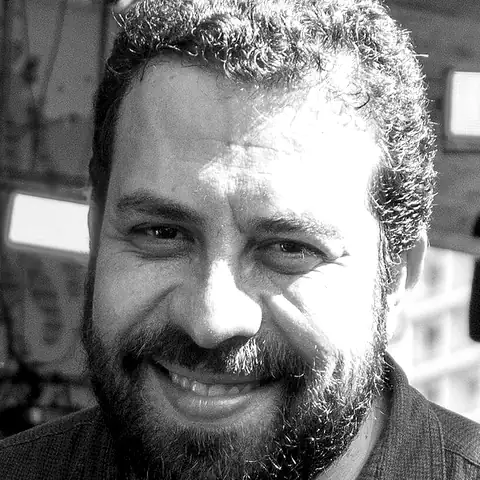 Guilherme BoulosHe campaigned to exempt incomes of up to R$5,000 a month from income tax, with higher taxes on very high incomes financing the change.Source: bahianoticias.com.br
 Hugo MottaIn September 2025 he listed the income tax exemption for people earning up to R$5,000 among the Chamber's priorities, and said the vote would go ahead on its own.Source: congressoemfoco.com.br
 Jair BolsonaroHis 2022 platform promised to keep Auxílio Brasil at R$ 600 from January 2023 and to exempt workers earning up to five minimum wages from income tax.Source: poder360.com.br
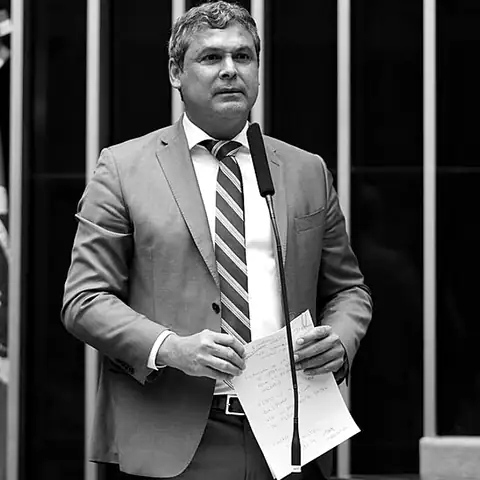 Lindbergh FariasIn August 2025 he reaffirmed the PT's commitment to the income tax exemption up to R$5,000 and argued that billionaires and online betting companies should be taxed.Source: itatiaia.com.br
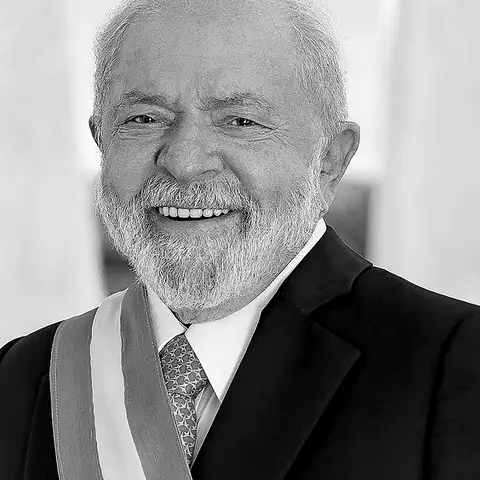 LulaFavours taxes on offshore investments and exclusive funds, and an income tax exemption that stays in place for monthly earnings up to R$5,000.Source: bpmoney.com.br
 Pablo MarçalHis 2026 presidential plan has seven missions, progressive tax cuts, a Ministry of Entrepreneurship, company registration in 24 hours and keeping Bolsa Família.Source: sbtnews.sbt.com.br
 Randolfe RodriguesHe said the zero-deficit target depended on Congress approving measures worth more than R$ 100 billion, including a bill taxing offshore funds of the super-rich.Source: congressoemfoco.com.br
 Sergio MoroDefended a gradual reduction of taxes, ruled out re-nationalizing the power company Copel and promised a "choque de gestão" at the utility Sanepar.Source: cnnbrasil.com.br
 Tabata AmaralIn November 2023 she said that calling oneself pro-market while opposing the tax reform was illogical, and wanted it enacted by early December.Source: jovempan.com.br
 Avi LewisWants a wealth tax starting at 1 percent for the richest 1 percent and reaching 3 percent for the very largest fortunes, with an inheritance tax on estates above 5 million dollars and capital gains taxed in the way wages are.Source: lewisisleader.ca
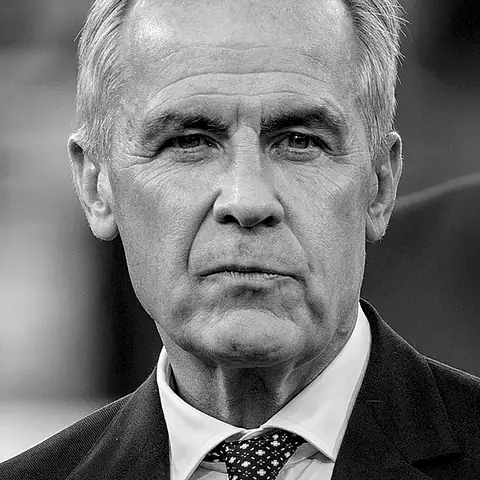 Mark CarneyIn March 2025 he cancelled the planned rise in the capital gains inclusion rate, saying he wanted to support entrepreneurs and private investment.Source: pm.gc.ca
 Pierre PoilievreHe proposed a Canadian Sovereignty Act that would repeal Bills C-69 and C-48 and end both the industrial carbon tax and the EV sales mandate. It would also scrap capital gains tax on money reinvested in Canada.Source: globalnews.ca
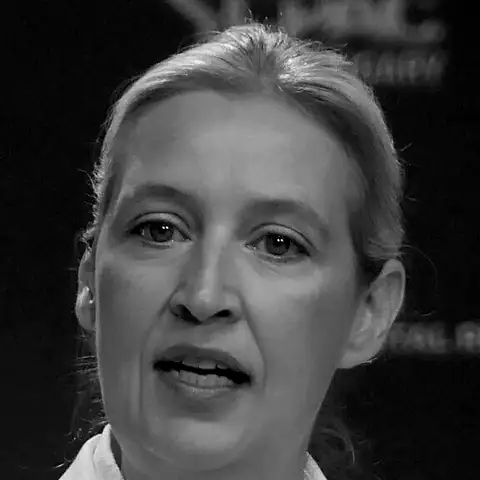 Alice WeidelAn AfD motion opposing a windfall tax, and calling for lower fuel taxes and scrapping the CO2 levy, was up for rejection in April 2026. She voted against that rejection.Source: abgeordnetenwatch.de
 Felix BanaszakSpeaking in May 2026, he wanted higher earners to bear the first cuts, backed a rapid cut to electricity tax and asked for a pension reform that would stabilise the statutory system.Source: zdfheute.de
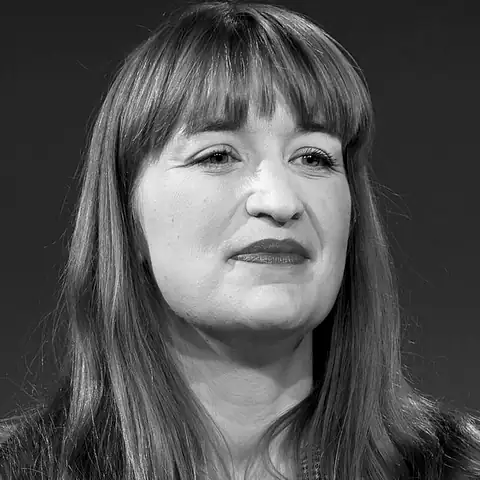 Heidi ReichinnekHer calls: freeze rents, build more social housing, drop VAT on basic foods, and restructure income tax so the large majority is relieved.Source: bundestag.de
- Heidi ReichinnekIn April 2026 she urged an immediate windfall tax, arguing the profits could pay for an energy crisis payment of 300 euros per person.Source: zdfheute.de
- Heidi ReichinnekHer vote in December 2025 opposed rejecting a motion from her group, one that would abolish inheritance tax breaks for the largest inheritances.Source: abgeordnetenwatch.de
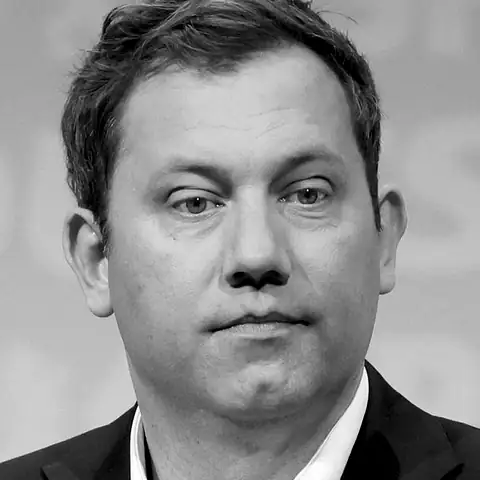 Lars KlingbeilIn December 2025 he voted down a Linke motion that called for abolishing the inheritance tax breaks that cover the largest inheritances.Source: abgeordnetenwatch.de
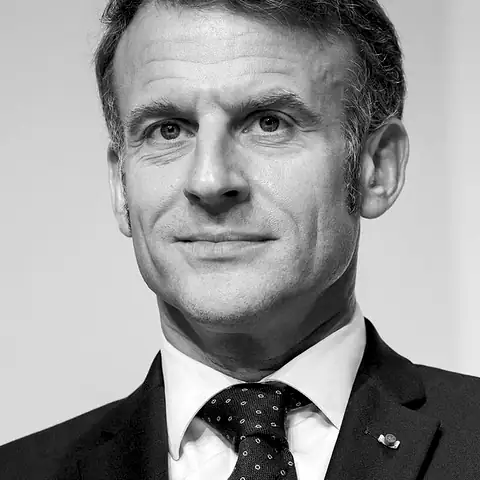 Emmanuel MacronThe wealth tax gave way to a narrower tax on real estate assets, a change that left-wing critics said made him a president of the rich.Source: connexionfrance.com
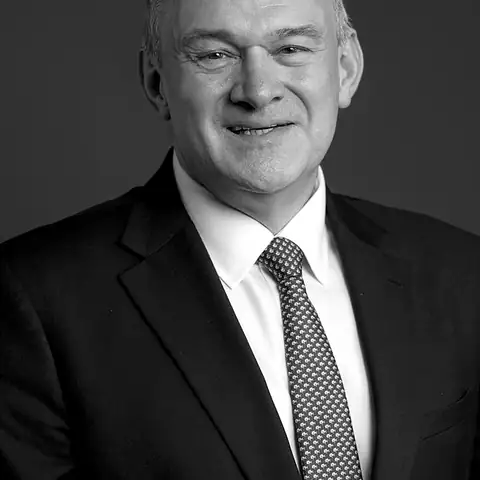 Ed DaveyA £15,000 tax-free personal allowance is his proposal, paid for out of the growth forecast to follow closer ties with the EU.Source: libdems.org.uk
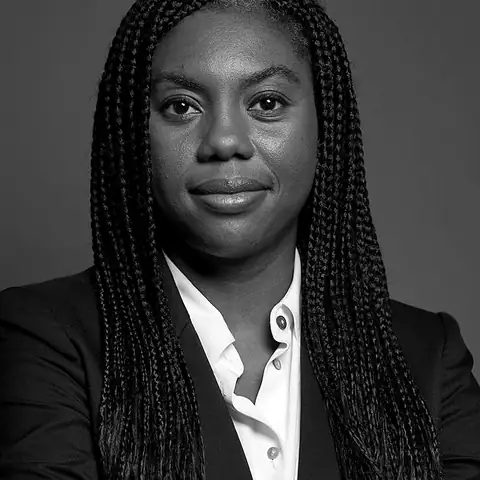 Kemi BadenochShe proposes yearly savings of over £70 billion, of which £36 billion would come from welfare. Reducing the deficit would take half, and tax cuts the remainder.Source: conservatives.com
- Kemi BadenochShe pledged at the party's October 2026 conference to scrap both inheritance tax and stamp duty on the family home.Source: conservatives.com
 Zack PolanskiHe would levy 1% a year on assets over £10 million and 2% on billionaires, and bring capital gains tax in line with income tax.Source: greenparty.org.uk
 Sanae TakaichiHer October 2026 policy speech announced draft legislation to cut the tax burden on food and beverages, with funds secured without deficit-financing bonds.Source: japan.kantei.go.jp
 Donald TrumpHe signed the One Big Beautiful Bill Act in July 2025, which tightened Medicaid rules, funded border enforcement, extended tax cuts and added deductions for tips and overtime.Source: whitehouse.gov
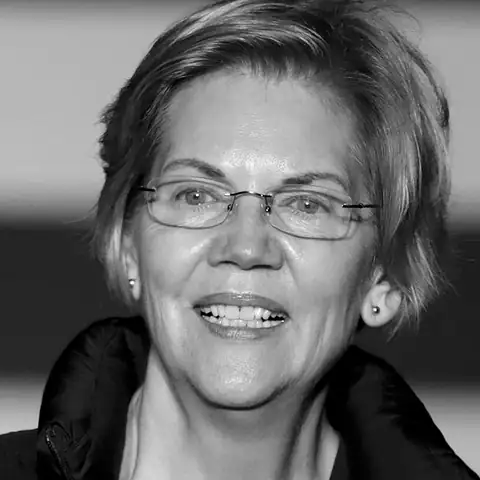 Elizabeth WarrenIn March 2026 she brought back the Ultra-Millionaire Tax Act: a yearly 2% levy on net worth over $50 million, plus another 1% on wealth past $1 billion.Source: jayapal.house.gov
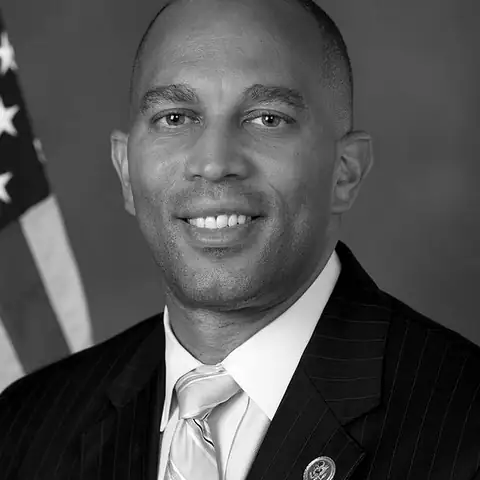 Hakeem JeffriesHe supports a larger Child Tax Credit, a larger Earned Income Tax Credit and a stronger Low-Income Housing Tax Credit for building affordable homes.Source: democraticleader.house.gov
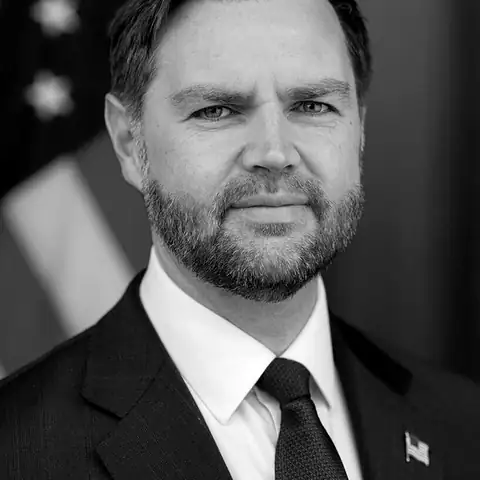 JD VanceVance cast the deciding vote when the Senate passed the One Big Beautiful Bill Act by 51-50 on 1 July 2025.Source: senate.gov
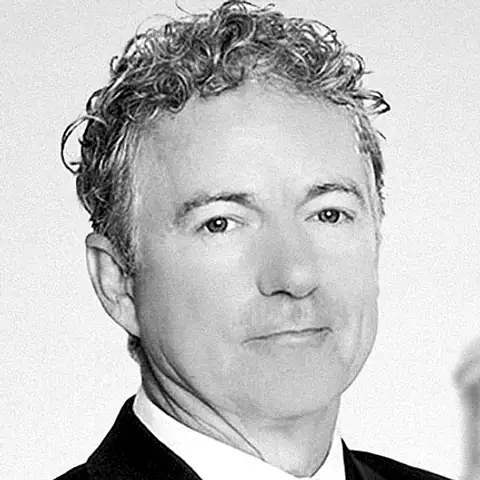 Rand PaulIn July 2025 the One Big Beautiful Bill Act cleared the Senate 51-50, and three Republicans opposed it, him among them.Source: senate.gov
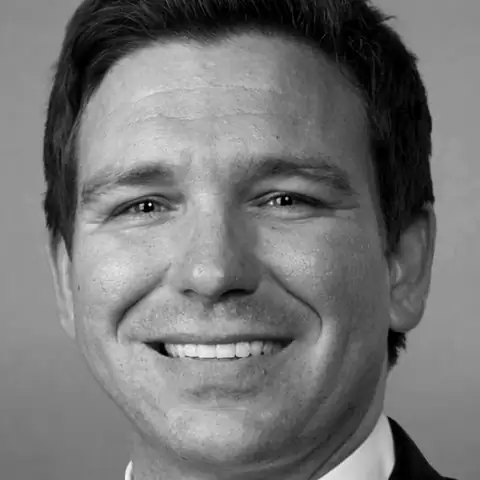 Ron DeSantisHe called a special session in June 2026 that put a constitutional amendment before voters in November 2026, raising the homestead exemption from property taxes other than school ones.Source: wflx.com
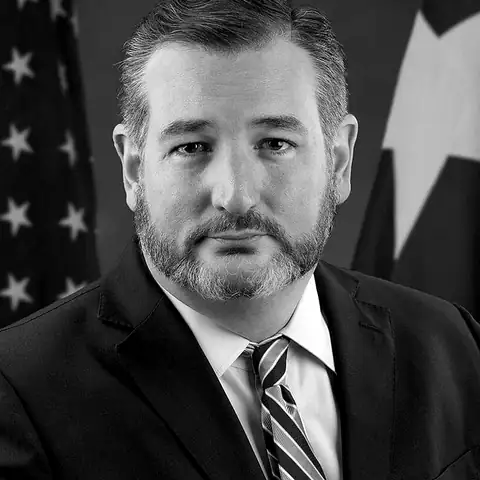 Ted CruzHis vote was yes when the Senate passed the One Big Beautiful Bill Act, 51-50, in July 2025.Source: senate.gov
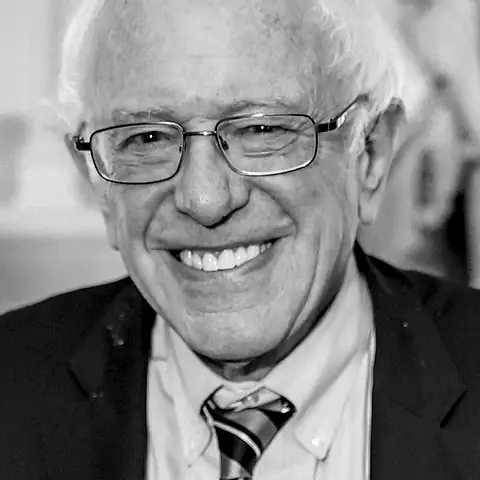
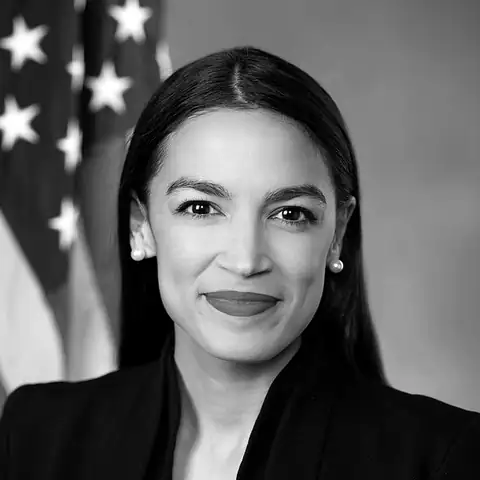
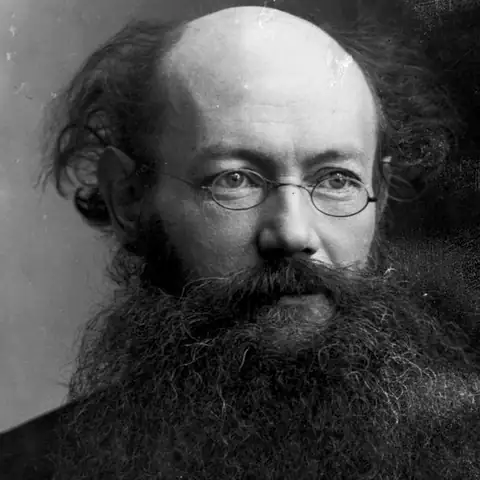
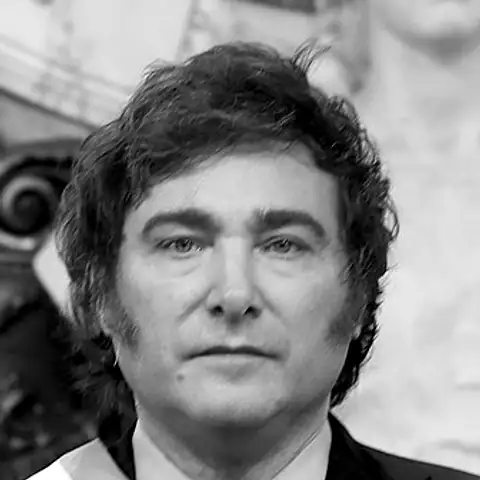
At each end of Welfare
People whose overall profile leans furthest each way on the axis this issue moves most. A lean on the axis is not a stance on this exact issue.


More welfare issues
Taxes: questions
Do lower taxes on businesses create more jobs?
Economists disagree. Supporters say lower business taxes leave firms more money to invest and hire. Critics say firms often keep the savings or pay out shareholders, and that cuts can reduce public services. The effect depends on the tax, the economy and what the government would otherwise have spent.
Is taxing the rich left or right wing?
Higher taxes on the rich are usually seen as left wing, and tax cuts as right wing. But the picture is mixed. Some conservatives support taxing inherited wealth, and some on the left prefer taxing consumption or land. On the 12 Axes it mainly shows up on the welfare axis.
What is a progressive tax?
A progressive tax takes a higher percentage from people with higher incomes. Someone earning more pays a larger share than someone earning less. A flat tax charges everyone the same rate. Supporters of progressive systems see them as fairer, while critics say they penalize success and add complexity.