Pensions
Should people fund their own retirement?
Pensions raise a question about who is responsible for people in old age. In a state pension system, current workers pay taxes that fund retirees, and the government promises a basic income in later life. In a self-funded system, individuals save and invest during their working years, and their retirement depends on what they put aside. Supporters of the first say it gives security and shares risk. Supporters of the second say it respects personal choice and avoids burdening younger generations.
On the 12 Axes this issue is mainly about welfare. Believing people should save for their own retirement points toward the Self-reliant pole, while defending a strong state pension points toward the Shared pole. The debate cuts across left and right in practical ways. Many conservatives value a basic state pension as a promise to those who worked, and some on the left support funded personal or workplace accounts. Most real systems mix both, with a state floor on top of which people save privately. The disagreement is over how big the floor should be, and how much of retirement security should rest on the individual.
What each side argues
State pension
- Supporters of state pensions argue that they guarantee a basic income in old age for everyone, including those who could not save.
- Supporters say pooling risk across the whole population is safer than leaving each person exposed to market swings.
- Supporters believe retirement security is a promise a society makes to those who spent their lives working.
Personal saving
- Opponents argue that people who save for themselves have more control and can build wealth they can pass on.
- Opponents say a pay-as-you-go state pension places a growing burden on younger workers as populations age.
- Opponents believe that relying on the state can discourage saving and personal responsibility.
The statement on pensions
- People should save for their own retirement rather than rely on a state pension.Agreeing moves you toward Self-reliant
What politicians have said and done
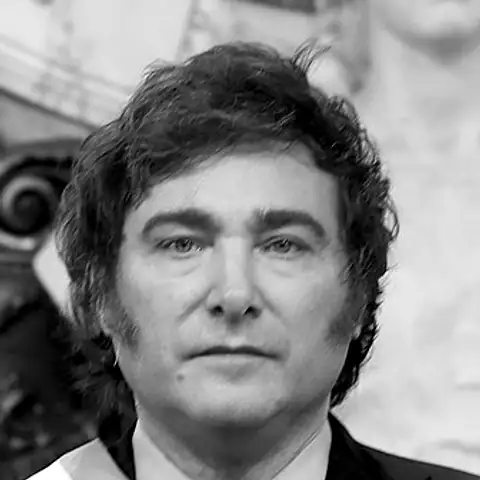 Javier MileiOnce the 2025 midterms were over, he laid out intentions to liberalise labour law, reform pensions and cut up to 20 taxes.Source: batimes.com.ar
 Ciro GomesIn 2022 he proposed replacing pay-as-you-go pensions with individual capitalisation accounts invested in the private sector.Source: poder360.com.br
 Jair BolsonaroCongress promulgated Constitutional Amendment 103, the pension reform, on 12 November 2019, during his term.Source: previdenciarista.com
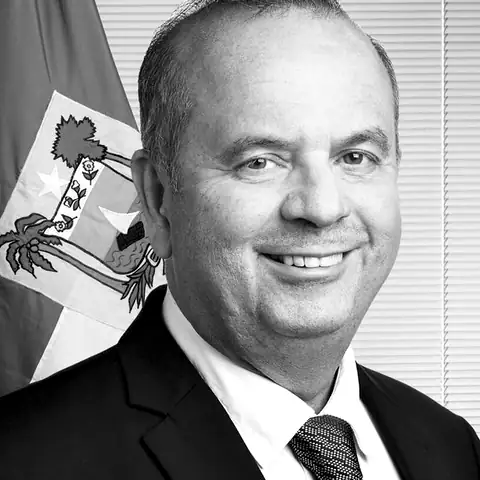 Rogério MarinhoIn January 2019 he was named to handle the political negotiation of the pension reform, which took about eight months to pass and was estimated to save R$800 billion over ten years.Source: gazetadopovo.com.br
 Romeu ZemaAt Novo's July 2026 convention he said the aim is to privatise everything, with 'no sacred cows', and to revisit the pension reform and review social programmes.Source: opovo.com.br
 Rui CostaIn 2019, as governor, he said he favoured the federal pension reform but not all of it, rejected the capitalisation model and called it unacceptable to move pension rules from the Constitution to a complementary law.Source: bahianoticias.com.br
 Simone TebetVoted for the spending cap and the labour reform, and as chair of the Senate Constitution and Justice Committee in 2019 steered the pension reform to a vote.Source: moneytimes.com.br
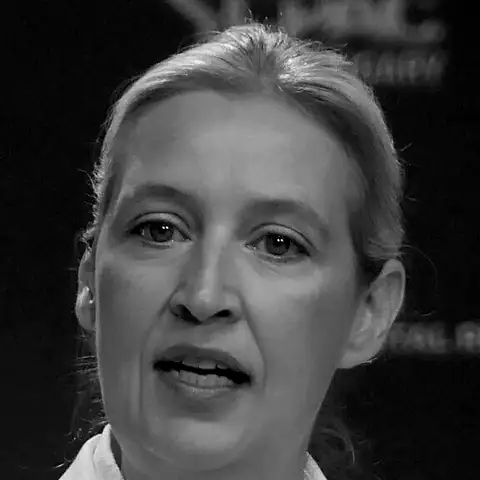 Alice WeidelBoth the December 2025 military service law and the government's pension package, voted on that same day, met her opposition.Source: abgeordnetenwatch.de
 Felix BanaszakSpeaking in May 2026, he wanted higher earners to bear the first cuts, backed a rapid cut to electricity tax and asked for a pension reform that would stabilise the statutory system.Source: zdfheute.de
- Felix BanaszakIn December 2025 he voted no on the military service law and no on the coalition's pension package.Source: abgeordnetenwatch.de
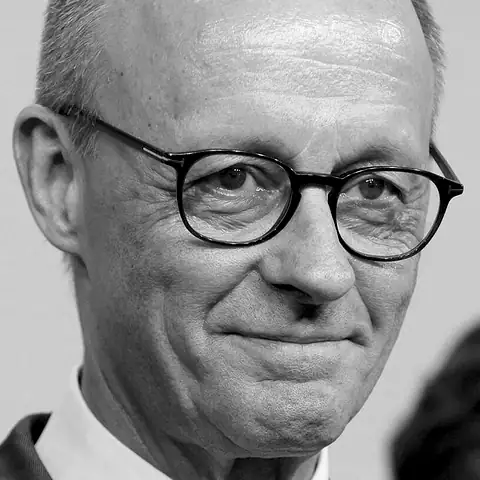 Friedrich MerzA 2025 pension package won his vote. Through 2031 it holds the pension level at 48 percent, and it widens credits for child-rearing.Source: abgeordnetenwatch.de
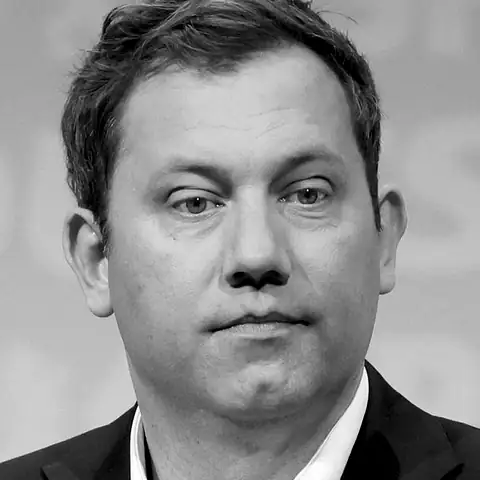 Lars KlingbeilHis vote in December 2025 went to the pension package, under which the pension level stays at 48 percent until 2031.Source: abgeordnetenwatch.de
 Emmanuel MacronFrance's legal retirement age rose from 62 to 64 in 2023, a bill he got through using Article 49.3 and thus without a final Assembly vote.Source: cnbc.com
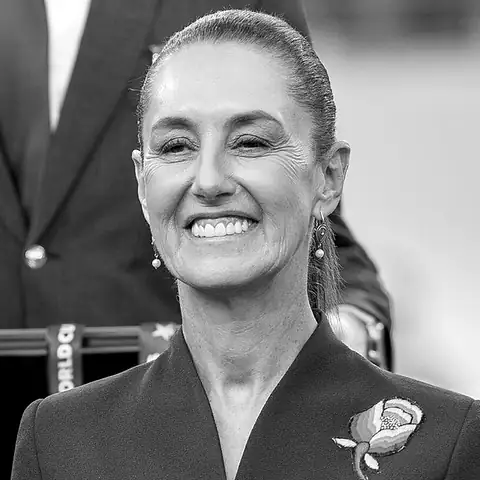 Claudia SheinbaumShe pledged to retain the universal old-age pensions and the paid youth apprenticeships begun by her predecessor.Source: france24.com
 Elizabeth WarrenWith Republican Senator Bernie Moreno, she wrote an op-ed in June 2026 that proposed raising the payroll tax cap for Social Security so the program stays solvent for longer.Source: warren.senate.gov
At each end of Welfare
People whose overall profile leans furthest each way on the axis this issue moves most. A lean on the axis is not a stance on this exact issue.



More welfare issues
Pensions: questions
What is a state pension?
A state pension is a regular payment from the government to people above a certain age, often funded by taxes paid by current workers. It provides a basic income in retirement. Systems differ in how much they pay and who qualifies.
What is the difference between a state pension and a private pension?
A state pension is paid by the government and funded through taxes. A private pension is built from savings that an individual or employer pays in and invests. Private pensions depend on contributions and market returns. State pensions depend on public finances and political decisions.
Is it left wing to support state pensions?
Strong state pensions are usually seen as a left wing position, and personal saving as right wing. But support is broad, and many conservatives defend a basic state pension. Most countries combine both. On the 12 Axes this issue moves the welfare axis.