Healthcare
Who should pay for healthcare?
Every country has to decide who pays for medical care and who delivers it. One view holds that health is a basic need, so the state should guarantee care for everyone and fund it through taxes, so that no one goes without because they cannot pay. Another view holds that care is a service like any other, and that competition between providers, with patients choosing and paying through insurance or directly, brings better quality, shorter waits and more innovation than a single government system.
On the 12 Axes this issue touches the welfare axis, since universal public funding points toward the Shared pole, and the ownership axis, since a belief in private provision points toward the Private pole. These are separate questions. A country can fund care publicly while using private hospitals and doctors, or it can run hospitals directly. This is why the issue cuts across left and right. Many conservatives defend universal coverage, and many on the left accept private providers. The real disagreement is often about how much choice, cost control and public management people want, not whether sick people deserve care.
What each side argues
Government-funded care
- Supporters argue that healthcare is a basic right and that no one should face ruin because they fall ill.
- Supporters say a single public payer spreads risk widely and cuts the administrative cost of dealing with many insurers.
- Supporters point out that public systems can negotiate prices and plan services across a whole population.
Private competition
- Opponents argue that competition between providers pushes quality up and gives patients more choice and shorter waits.
- Opponents say government-run systems tend to ration care through queues and fixed budgets.
- Opponents worry that paying for everything through taxes leaves care exposed to political priorities and rising public costs.
2 statements on healthcare
- Healthcare should be provided to everyone by the government and paid for through taxes.Agreeing moves you toward Shared
- Competition between private providers delivers better healthcare than a government-run system.Agreeing moves you toward Private
What politicians have said and done
 Anthony AlbaneseMedicare bulk billing was widened under him, Medicare Urgent Care Clinics were opened, and PBS medicine costs were capped at 25 dollars.Source: alp.org.au
 David ShoebridgeHis party would make GP visits free and fold dental and mental health care into Medicare.Source: greens.org.au
 Guilherme BoulosHis 2024 programme, which contained 119 proposals, featured a health service hub aimed at ending the queues in the public health system.Source: istoedinheiro.com.br
 João CamposPledged four hospitals built in partnership with the federal government.Source: cnnbrasil.com.br
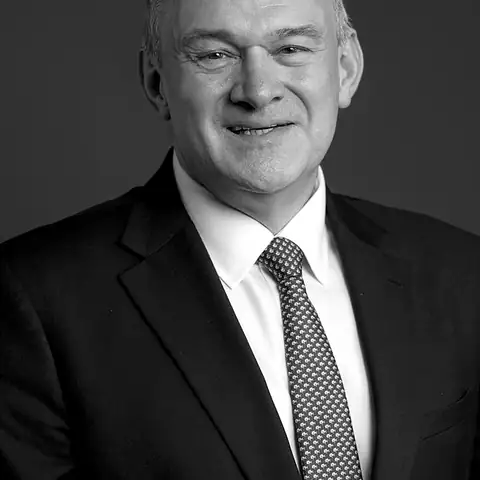 Ed DaveyOn care, he backs guaranteed respite breaks for unpaid carers and a Carer's Minimum Wage, along with long-term funding for councils to provide social care.Source: libdems.org.uk
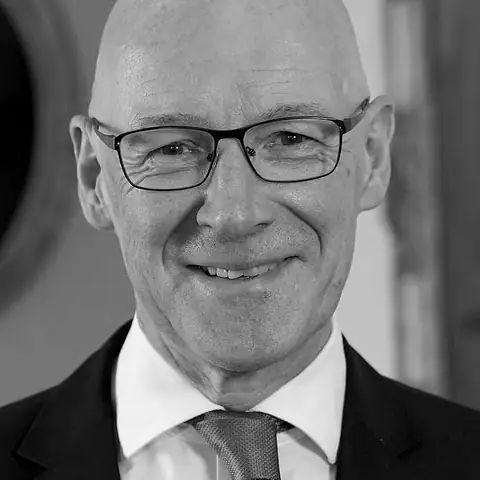 John SwinneyAmong his 2026 pledges are free prescriptions, free personal and nursing care, and GP walk-in clinics open seven days.Source: snp.org
- Narendra ModiIn 2018 his government started a national health insurance programme aimed at low-income families.Source: thehindu.com
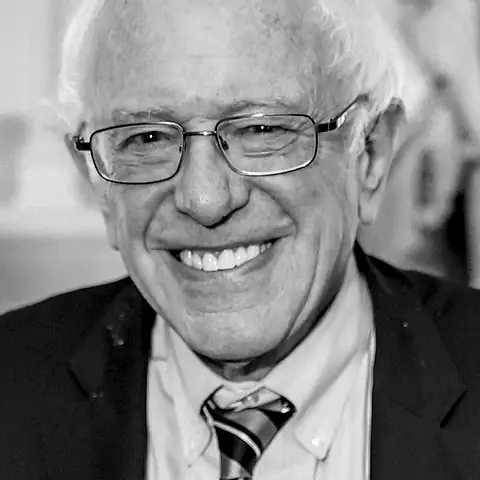 Bernie SandersHe reintroduced the Medicare for All Act in April 2025. Every American would be covered, dental, vision and hearing care included, and nobody would pay premiums, copayments or deductibles.Source: wcax.com
 Gavin NewsomHe signed the 2025-26 budget, which stopped new Medi-Cal enrollment of undocumented adults starting in 2026 but left coverage in place for children and current enrollees.Source: sanjoseinside.com
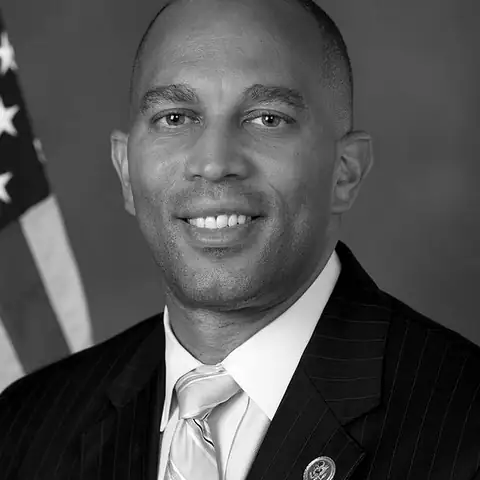 Hakeem JeffriesOn 8 January 2026 the House passed, under his leadership and after a discharge petition, a three-year extension of the premium tax credits in the Affordable Care Act.Source: jeffries.house.gov
- Hakeem JeffriesHis October 2026 pledges were to undo Medicaid cuts, keep the ACA tax credits going and bring tariffs to an end by having Congress take that authority back from President Trump.Source: democraticleader.house.gov
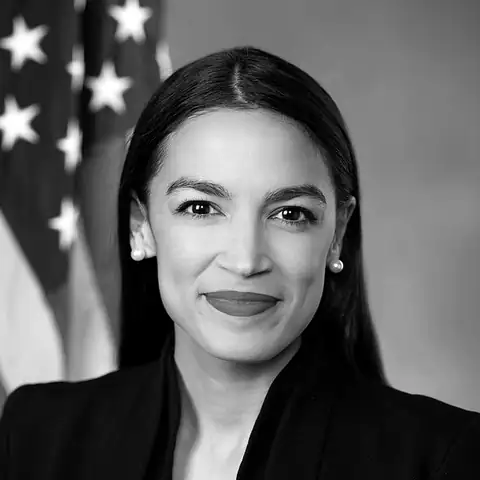
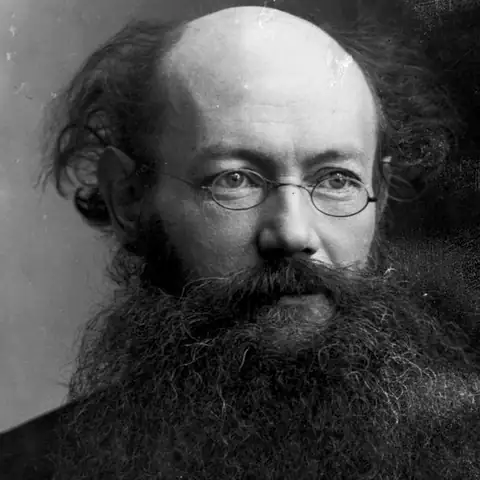
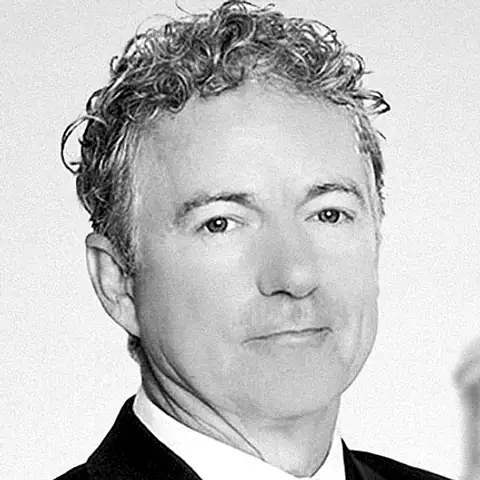
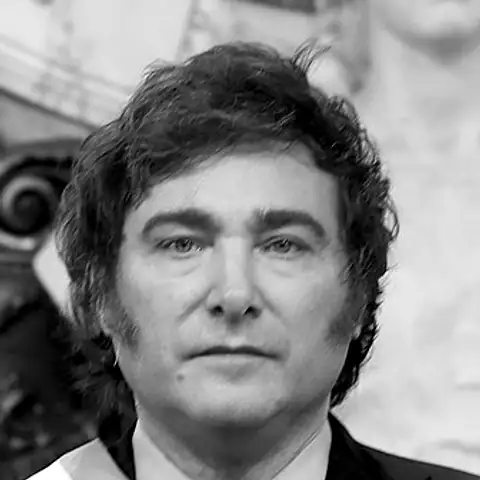
At each end of Welfare
People whose overall profile leans furthest each way on the axis this issue moves most. A lean on the axis is not a stance on this exact issue.



More welfare issues
Healthcare: questions
What is universal healthcare?
Universal healthcare means everyone in a country can get medical care without facing serious financial hardship. It can be delivered through a government-run service, a public insurance fund, or regulated private insurance. The common feature is that coverage does not depend on being able to pay at the time of treatment.
What is single-payer healthcare?
In a single-payer system, one public body pays for medical care, usually funded through taxes. Doctors and hospitals can still be private. Supporters say it simplifies billing and cuts costs. Critics say it removes competition and gives the government too much control over spending and treatment.
Is universal healthcare left or right wing?
It is usually seen as a left wing position, but support is wider than that. Many conservatives and centrists back some form of guaranteed coverage, and disagree mainly about how it should be funded and delivered. On the 12 Axes it moves the welfare and ownership axes.