Inequality and wealth
Is inequality a problem in itself?
People broadly agree that some differences in income and wealth are natural, but they disagree about whether large gaps are a problem in themselves. One view holds that inequality is acceptable, even healthy, when it reflects fair competition and effort, and that what matters is opportunity and a decent minimum for all. The other view holds that very large gaps are harmful in themselves, because they give some people outsized influence, weaken trust and pass advantage down through families.
On the 12 Axes this issue moves the welfare axis. Accepting large gaps that come from fair competition points toward the Self-reliant pole, while wanting to tax large inheritances and reduce gaps points toward the Shared pole. The issue cuts across the usual divide because the real argument is often about fairness, not money. Many people on the right care about equal opportunity and dislike inherited privilege, and many on the left accept that rewards for talent and effort are fair. They differ over whether the starting line is truly level, and over whether the state or the market is better at making it so.
What each side argues
Reduce the gaps
- Supporters argue that extreme wealth gives a few people disproportionate influence over politics and media.
- Supporters say large inheritances hand advantage to people who did nothing to earn it, which undermines equal opportunity.
- Supporters believe more equal societies tend to have stronger trust and less social conflict.
Gaps are acceptable
- Opponents argue that differences in reward are fair when they come from talent, effort and risk.
- Opponents say trying to equalize outcomes reduces the incentive to work, build and invest.
- Opponents believe the focus should be on lifting those at the bottom, not on pulling down those at the top.
2 statements on inequality and wealth
- Large differences in wealth are acceptable if they come from fair competition.Agreeing moves you toward Self-reliant
- Large inheritances should be heavily taxed.Agreeing moves you toward Shared
What politicians have said and done
 Avi LewisWants a wealth tax starting at 1 percent for the richest 1 percent and reaching 3 percent for the very largest fortunes, with an inheritance tax on estates above 5 million dollars and capital gains taxed in the way wages are.Source: lewisisleader.ca
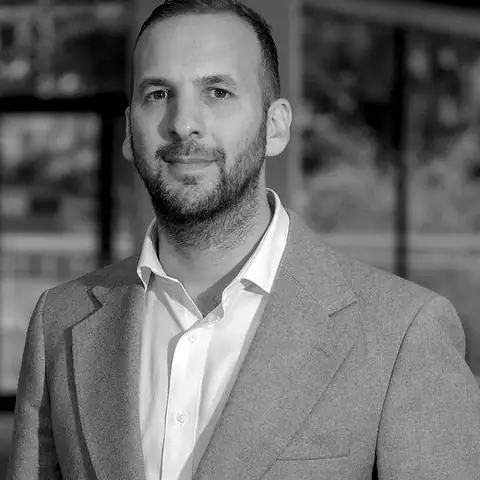 Zack PolanskiHe would levy 1% a year on assets over £10 million and 2% on billionaires, and bring capital gains tax in line with income tax.Source: greenparty.org.uk
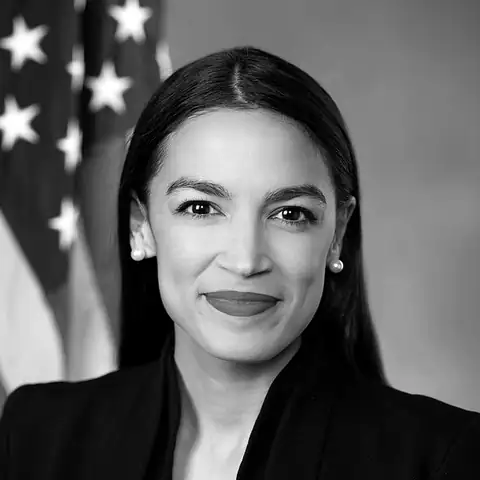 Alexandria Ocasio-CortezDuring 2025 she campaigned beside Bernie Sanders on the Fighting Oligarchy tour, an effort aimed at billionaires' hold on politics.Source: kpbs.org
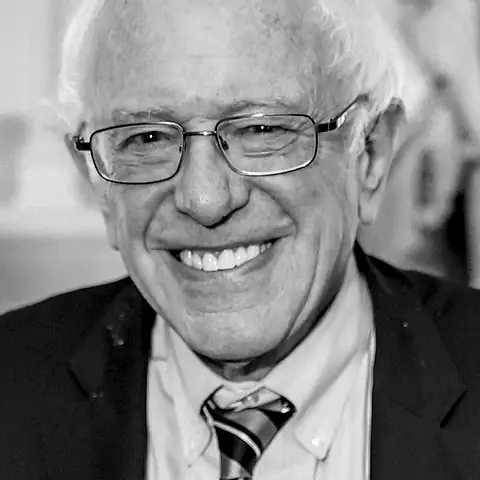 Bernie SandersOn the Fighting Oligarchy tour he has argued that political power is too concentrated among billionaires and big corporations, and he has promised to resist cuts affecting Social Security, Medicaid and veterans' care.Source: kpbs.org
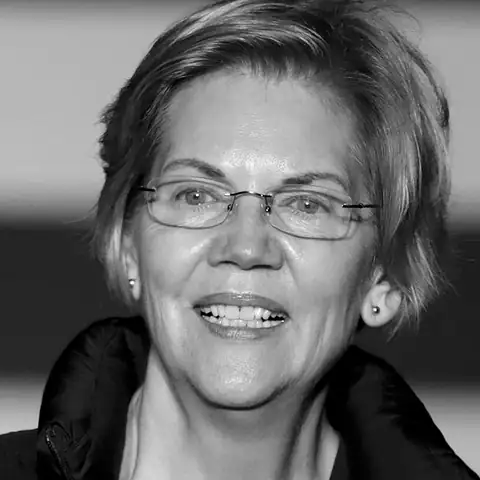 Elizabeth WarrenIn March 2026 she brought back the Ultra-Millionaire Tax Act: a yearly 2% levy on net worth over $50 million, plus another 1% on wealth past $1 billion.Source: jayapal.house.gov
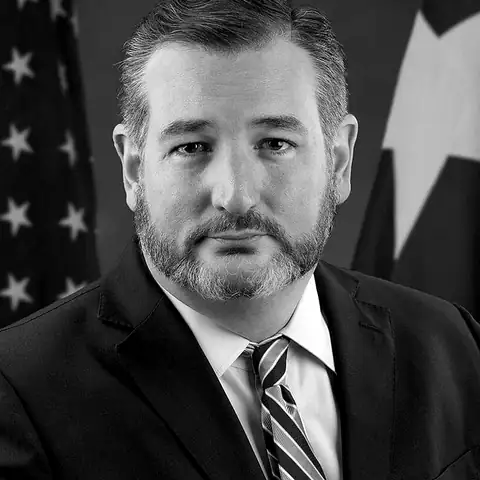
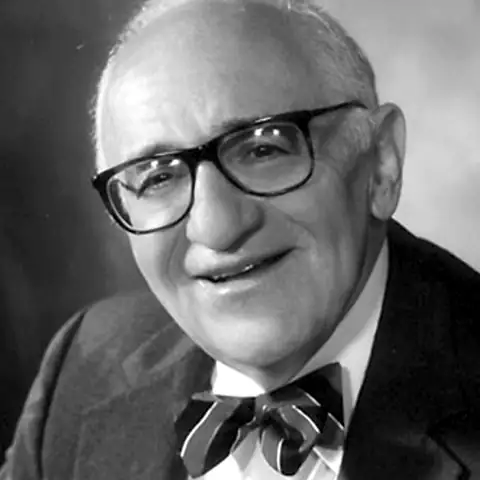
At each end of Welfare
People whose overall profile leans furthest each way on the axis this issue moves most. A lean on the axis is not a stance on this exact issue.

More welfare issues
Inequality and wealth: questions
Is inequality a problem in itself?
Opinions differ. Some argue that large gaps harm society by weakening trust and giving the wealthy outsized power. Others say inequality matters only if people are poor or if the system is unfair. The disagreement is about whether the size of the gap, or the level of the floor, is the real issue.
What is the difference between equality of outcome and equality of opportunity?
Equality of outcome means people end up with similar incomes or wealth. Equality of opportunity means everyone has a fair chance to compete, whatever their background. Most people support the second. The debate is over how much state action is needed to make opportunity real.
Is wanting less inequality left wing?
Concern about inequality is usually linked to the left, while acceptance of unequal outcomes is linked to the right. But many conservatives also want to expand opportunity and limit inherited privilege. On the 12 Axes this issue is measured on the welfare axis.