University tuition
Should university be free?
Higher education brings benefits to the person who studies and to society as a whole. The question is who should pay. One view says that university should be free at the point of use and funded by taxes, because it opens opportunity, trains people society needs, and should not depend on a family's wealth or willingness to take on debt. The other view says that students gain the most, so they should carry much of the cost, and that taxpayers who never attend should not subsidize others.
On the 12 Axes this issue moves the welfare axis. Support for free tuition paid by the state points toward the Shared pole, and a belief that students or families should pay points toward Self-reliant. The issue cuts across the usual split in a few ways. Many conservatives support public funding of some courses that serve national needs, while some on the left worry that free tuition mostly benefits better-off families, since they are the most likely to attend. Others prefer income-linked repayment, grants for poorer students, or support for vocational training, which can appeal to people on both sides of politics.
What each side argues
Free tuition
- Supporters argue that free tuition opens higher education to talented people regardless of family income.
- Supporters say society benefits from an educated population, so it is fair that the public shares the cost.
- Supporters believe removing fees spares graduates from heavy debt early in their working lives.
Students contribute
- Opponents argue that graduates earn more on average, so they should help pay for the education that benefits them.
- Opponents say free tuition is paid for by all taxpayers, including those who never attend university.
- Opponents worry that making university free mostly benefits better-off families and strains public budgets.
The statement on university tuition
- University education should be free for students and paid for by the government.Agreeing moves you toward Shared
What politicians have said and done
 Anthony AlbaneseFree TAFE became permanent in his term, and student debt was cut by 20 percent.Source: alp.org.au
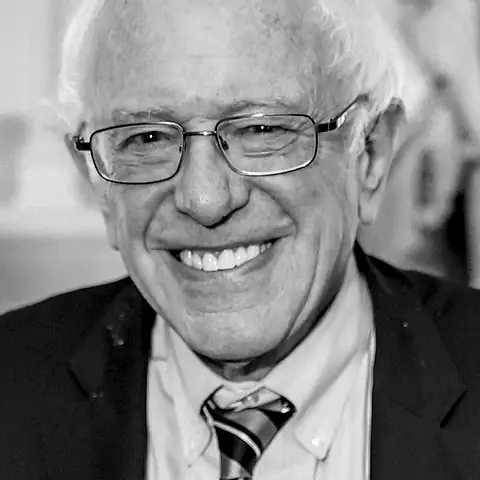
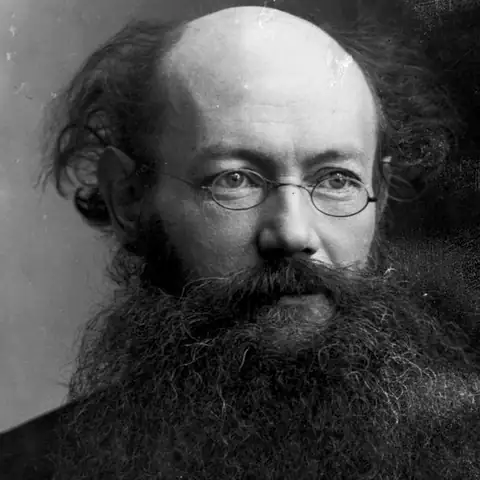
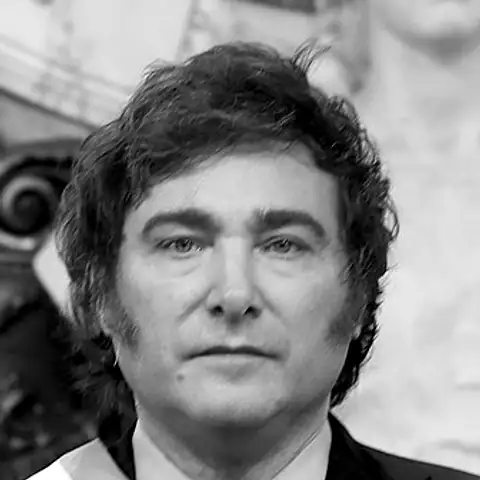
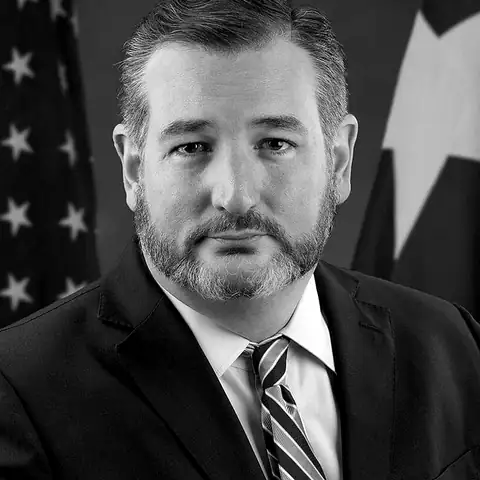
At each end of Welfare
People whose overall profile leans furthest each way on the axis this issue moves most. A lean on the axis is not a stance on this exact issue.





More welfare issues
University tuition: questions
Should university be free?
People disagree. Supporters say free tuition widens access and benefits society. Critics say it is costly, may mainly help better-off families, and asks all taxpayers to fund a benefit that goes to graduates. Many prefer a middle path such as grants for poorer students or income-based repayment.
What is income-contingent repayment?
Income-contingent repayment means a graduate repays a student loan as a share of their income once they earn above a certain level. If they earn less, they pay less. Supporters see it as fairer than a fixed debt. Critics say it still leaves graduates with long-term obligations.
Is free university left or right wing?
Free tuition is generally a left wing position and tuition fees a right wing one. But many conservatives also support public funding for some subjects or for needs-based aid. On the 12 Axes the issue is measured on the welfare axis.