Military spending
How strong should the military be?
Military spending is about how much a country should invest in armed forces and how willing it should be to use them. One side argues that strength deters attackers, protects trade routes and gives a country a voice in the world. The other argues that arms spending crowds out schools, health and housing, can provoke rivals, and that force rarely solves the problems it is used for. Debates cover budgets, the size of forces, new weapons and overseas missions.
On the 12 Axes, all three statements move the foreign axis. Backing a strong military and a readiness to use force abroad pulls toward Strength. Wanting lower spending pulls toward Cooperation. The issue cuts across the usual left and right split. Many on the right dislike large government budgets and foreign wars, which creates a restrained wing. Some on the left support strong forces to defend allies or to prevent atrocities, and defense jobs matter to politicians of every stripe.
What each side argues
Build strength
- Supporters say strong forces deter attack and keep the peace.
- Supporters argue that a country must be able to defend its interests and allies when diplomacy fails.
- Supporters believe a credible military gives a nation influence and security at the negotiating table.
Spend less
- Opponents say military money could do more good in health, education and housing.
- Opponents argue that arms races raise tensions and make conflict more likely.
- Opponents believe force abroad often costs more than it achieves and diplomacy should come first.
3 statements on military spending
- A strong military is the best way to keep a country safe.Agreeing moves you toward Strength
- A country should be willing to use military force to protect its interests abroad.Agreeing moves you toward Strength
- Governments should spend less on the military.Agreeing moves you toward Cooperation
What politicians have said and done
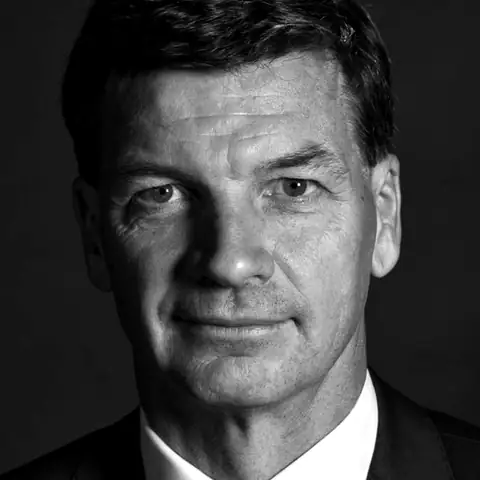 Angus TaylorHe has pledged to lift defence spending to at least 3 percent of GDP and to appoint a National Security Adviser to the Prime Minister.Source: rsm.global
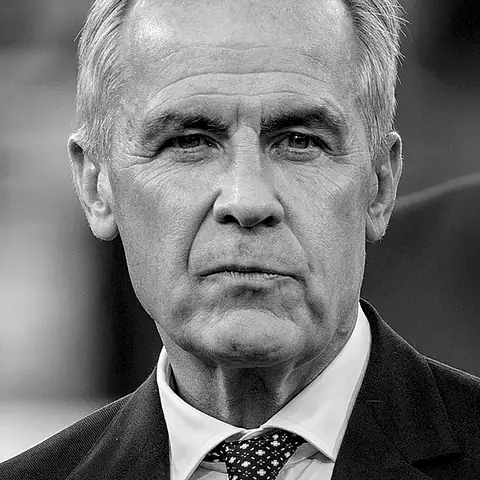 Mark CarneyMiddle powers should act together, he argues, and he points to new strategic partnerships with Qatar, China and the EU. He also has a plan to double defence spending by the end of the decade.Source: pm.gc.ca
 Friedrich MerzHis support went to the constitutional change of March 2025. Under it, defence spending above 1 percent of GDP no longer counts against the debt brake, and a 500 billion euro infrastructure fund was established.Source: wlrn.org
 Lars KlingbeilRussia's aggression and the unpredictability of the United States were his reasons for backing the March 2025 debt brake reform for defence, together with a 500 billion euro infrastructure fund.Source: wlrn.org
 Pedro SánchezHe turned down NATO's goal of 5 percent of GDP for defence, saying it could not be squared with Spain's welfare state.Source: aljazeera.com
 Ed DaveyHe wants Ukraine to receive deeper military and financial aid, and he wants core defence spending raised to 3% of GDP by the year 2030.Source: libdems.org.uk
 Kemi BadenochOn defence she is committed to reaching a spending target of 3% by 2030, and to building Britannia Shield, a missile and drone defence system.Source: conservatives.com
 Sanae TakaichiShe plans to review Japan's three strategic security documents by the end of 2026 and has set up a National Intelligence Council and Bureau.Source: japan.kantei.go.jp
- Sanae TakaichiShe intends to strengthen the military and arms sales and to lift the ban on lethal weapons exports, and she supports an anti-espionage law that mainly targets Chinese spies.Source: adaderana.lk
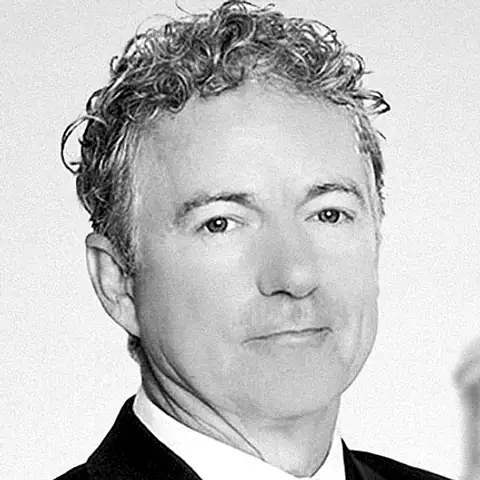 Rand PaulA March 2026 resolution to halt the Iran war without congressional approval was co-sponsored by him; it failed 47-53, with his the only Republican vote in favour.Source: abc7news.com
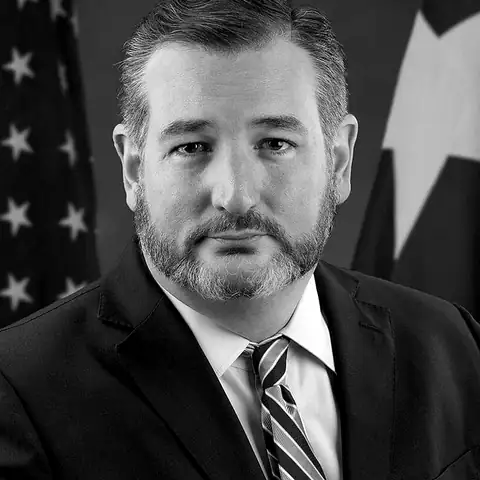 Ted CruzA US strike on Iran's Fordow nuclear site made sense, he said in June 2025, and he urged maximum pressure and economic sanctions to bring about a change of government in Iran.Source: texastribune.org
- Ted CruzHe called the March 2026 US strikes on Iran targeted strikes against a direct threat, adding that he would not back a major, extended invasion of Iran.Source: foxnews.com
At each end of Foreign policy
People whose overall profile leans furthest each way on the axis this issue moves most. A lean on the axis is not a stance on this exact issue.





More foreign policy issues
Military spending: questions
Does a strong military keep a country safe?
Supporters say it deters enemies and ensures a country can respond to threats. Critics say it can spark arms races and that safety also depends on diplomacy, trade and stable neighbors. Most people accept some defense and disagree on how much is enough and what it should be used for.
Is military spending left or right wing?
The right is more often linked to strong defense, and the left to cutting arms budgets in favor of social spending. But there are many exceptions. Fiscal conservatives and libertarians may oppose large budgets and foreign wars, while some on the left back intervention to protect civilians.
What is the case for using military force abroad?
Supporters say force can protect national interests, stop atrocities and defend allies when other options fail. Critics say interventions are costly, uncertain and can leave places worse off. The debate is about when force is justified, who decides, and what happens afterward.