Foreign aid
Should rich countries give more aid?
Foreign aid is money, goods or expertise given by richer countries to poorer ones. Supporters see it as a moral duty and a smart investment in stability, health and future trade. Critics ask why a government should send money abroad when its own citizens face hardship, and doubt that aid reaches the people it should, or that it creates lasting growth. Some prefer trade, private investment or targeted emergency help to long term budget support.
On the 12 Axes, the statements move the foreign axis, and one also nudges the welfare axis. Calling for more aid pulls toward Cooperation and slightly toward Shared. Preferring to spend at home pulls toward Strength. The issue cuts across the usual left and right split. Many religious conservatives give generously and back aid on moral grounds. Some on the left doubt aid that props up unaccountable governments, and some free market thinkers on the right argue that trade does more than handouts.
What each side argues
Give more aid
- Supporters say wealthy nations have a moral duty to help people in extreme need.
- Supporters argue that aid improves health and stability abroad, which benefits everyone.
- Supporters believe helping other countries grow creates future partners and trade.
Spend at home
- Opponents say a government's first duty is to its own citizens.
- Opponents argue that aid can be wasted, lost to corruption or create dependence.
- Opponents believe trade and investment lift countries out of poverty better than donations.
2 statements on foreign aid
- Wealthy countries should give more aid to poorer countries.Agreeing moves you toward Cooperation
- Money spent on foreign aid would be better spent on problems at home.Agreeing moves you toward Strength
What politicians have said and done
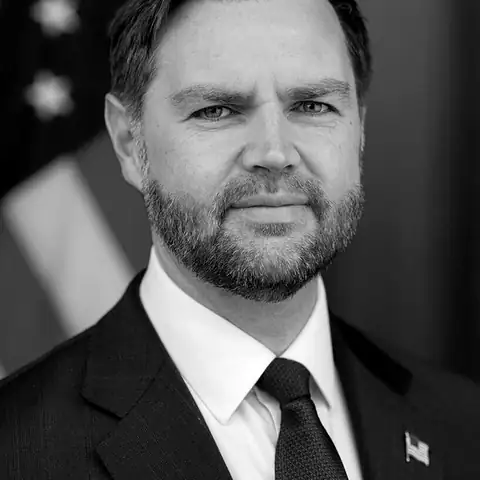 JD VanceWhile in the Senate he was against US military aid to Ukraine and favoured a negotiated settlement in which Ukraine might give up territory.Source: nbcnews.com
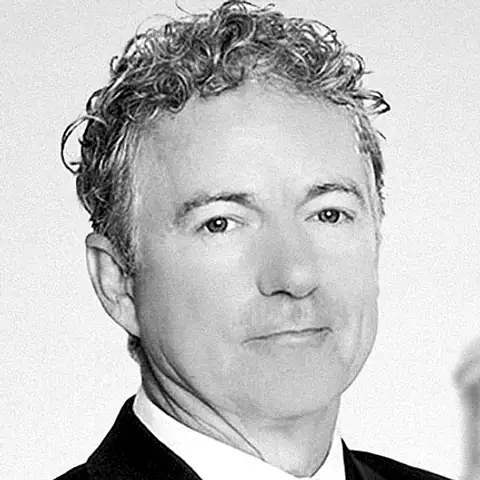 Rand PaulA $40 billion Ukraine aid bill could not be fast-tracked in May 2022 because he blocked it, and he demanded a special inspector general to oversee the spending.Source: cnn.com
At each end of Foreign policy
People whose overall profile leans furthest each way on the axis this issue moves most. A lean on the axis is not a stance on this exact issue.




More foreign policy issues
Foreign aid: questions
Does foreign aid work?
Results vary. Some programs, such as vaccination and disaster relief, are widely seen as effective. Others are criticized for waste or for propping up poor governance. Supporters want better targeting and more of it. Critics want tighter conditions or a shift toward trade and investment.
Is foreign aid a left or right wing issue?
The left is more often associated with generous aid, and the right with cutting it. But many religious conservatives back aid for moral reasons, and some on the left criticize aid as a form of control. Where you stand on the foreign axis is a better guide than party.
Why do some people oppose foreign aid?
Opponents say domestic needs come first, that money is often lost to corruption, and that aid can weaken local economies or create dependence. Some also object on principle to using taxpayer money abroad without a clear return. Others accept emergency help but not long term budget transfers.