International courts and the UN
Should international bodies overrule nations?
This issue is about whether international bodies, such as courts and the United Nations, should be able to bind sovereign states. Supporters say shared rules and neutral judges are the only alternative to the rule of the strongest, and that countries should honor commitments even when they lose. Critics say that nations decide best for themselves, that international bodies lack democratic accountability, and that outside judges should not override domestic law.
On the 12 Axes, all three statements move the foreign axis. Giving international organizations more power and following court rulings even when disagreeing pulls toward Cooperation. Insisting that international courts never override national law pulls toward Strength. The issue cuts across the usual left and right split. Some on the left value national self rule and dislike distant bureaucracies. Some on the right support international rules on trade, property and security when these bind rivals. People often back such bodies when they win and doubt them when they lose.
What each side argues
Strengthen global rules
- Supporters say neutral courts can settle disputes without war.
- Supporters argue that rules bind the strong as well as the weak, which protects smaller countries.
- Supporters believe problems that cross borders need institutions that can act beyond them.
National law comes first
- Opponents say citizens should be governed by laws their own elected representatives make.
- Opponents argue that international bodies lack accountability and can overreach.
- Opponents worry that powerful countries shape the rules in their own interest while others are bound.
3 statements on international courts and the un
- International organizations should have more power to settle disputes between countries.Agreeing moves you toward Cooperation
- International courts should never be able to override a country's own laws.Agreeing moves you toward Strength
- A country should follow the rulings of international courts even when it disagrees with them.Agreeing moves you toward Cooperation
What politicians have said and done
 Javier MileiHis government pulled Argentina out of the World Health Organization, citing its pandemic advice, with the exit taking effect in March 2026.Source: aljazeera.com
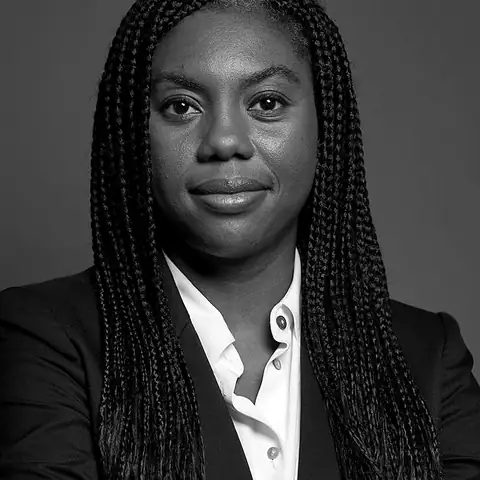 Kemi BadenochShe announced that under a Conservative government the UK would withdraw from the European Convention on Human Rights and the Human Rights Act would be repealed.Source: conservatives.com
 Nigel FarageAmong his proposals are a mass deportation bill for people who arrive illegally, withdrawal from the European Convention on Human Rights and repeal of the Human Rights Act.Source: instituteforgovernment.org.uk
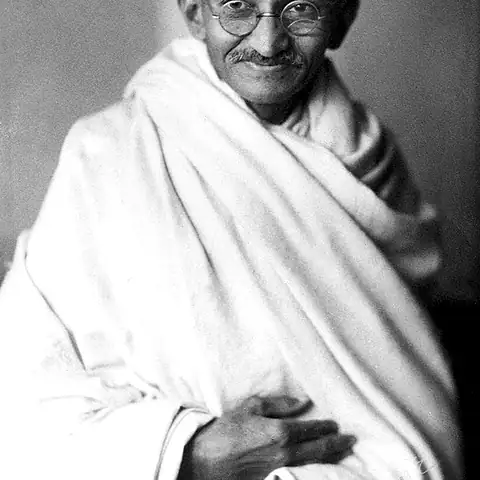
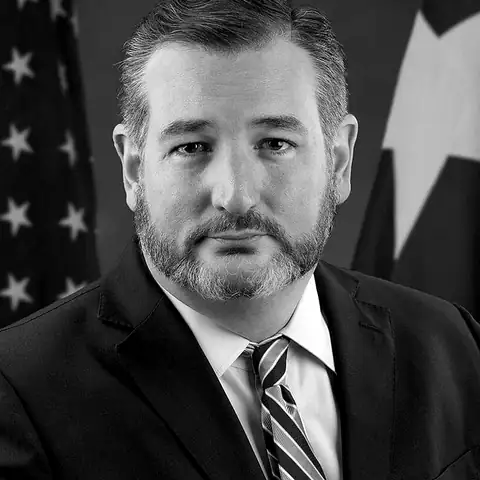
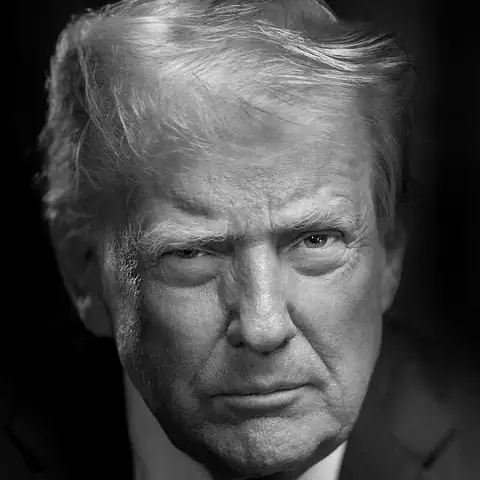
At each end of Foreign policy
People whose overall profile leans furthest each way on the axis this issue moves most. A lean on the axis is not a stance on this exact issue.






More foreign policy issues
International courts and the UN: questions
What do international courts do?
They hear cases between states or about serious crimes such as genocide and war crimes. Their power depends on whether states accept their authority and comply. Supporters see them as a route to justice and peace. Critics doubt their legitimacy and say enforcement is uneven.
Should countries obey international rulings they disagree with?
Supporters say yes, since rules mean little if states ignore them when inconvenient. Critics say a country must be able to refuse rulings that conflict with its constitution or vital interests. Many take a middle view and accept rulings in some areas but not others.
Is support for the United Nations left or right wing?
Support is often higher on the left, and skepticism on the right, but this is not fixed. Many conservatives value international rules on trade and security, and some on the left distrust unelected bodies. The foreign axis on this test captures the real divide between cooperation and strength.