Military alliances and NATO
Are alliances essential for security?
Military alliances are agreements in which countries promise to support each other if attacked. Supporters say a shared defense pact deters aggression, spreads the cost of security and lets smaller countries rely on collective strength. Critics say alliances can drag members into wars they did not choose, tie their hands in foreign policy and give larger partners too much sway. Some prefer neutrality or flexible agreements made case by case.
On the 12 Axes, the statement moves the foreign axis. Seeing alliances as essential for security pulls toward Cooperation. Doubting them and trusting national strength alone pulls toward Strength. This can feel odd, because alliances rely on military power, but the axis tracks whether security is pursued through partnership or through going it alone. The issue cuts across the usual left and right split. Some on the left dislike military blocs on principle, while some nationalists on the right resent being tied to foreign commitments and want full independence in decisions.
What each side argues
Stay in alliances
- Supporters say collective defense deters attackers who would not risk a fight with many nations.
- Supporters argue that sharing costs and intelligence makes every member safer.
- Supporters believe alliances build habits of cooperation that reduce the chance of war.
Go it alone
- Opponents say pacts can pull a country into conflicts that are not its own.
- Opponents argue that depending on partners limits a nation's freedom to decide its own policy.
- Opponents believe stronger members can dominate and push their own priorities.
The statement on military alliances and nato
- Military alliances with other countries are essential for national security.Agreeing moves you toward Cooperation
What politicians have said and done
 David ShoebridgeIs against the AUKUS security pact, and with his deputy has run a campaign against it.Source: thenightly.com.au
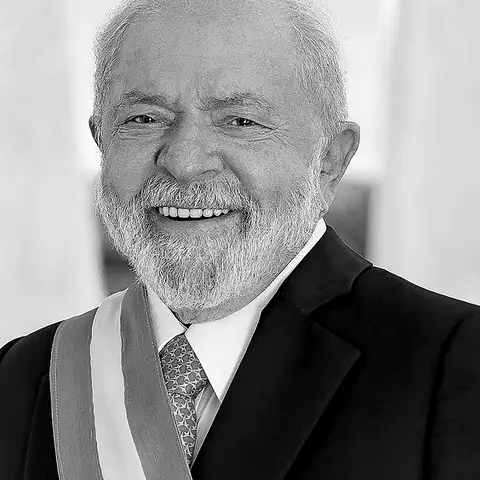 LulaHis government has reservations about the Shield of the Americas, a security alliance led by the US, citing concern over foreign interference; Flávio Bolsonaro pledged to seek membership.Source: metropoles.com
 Emmanuel MacronHe announced in September 2025 that 26 countries had committed to a reassurance force for Ukraine for the period after the war ends.Source: aljazeera.com
- Andy BurnhamVowed to meet NATO obligations, stand firmly behind Ukraine and seek two states for Israelis and Palestinians.Source: labour.org.uk
 John SwinneyFor an independent Scotland he supports full NATO membership, with a defence policy built around conventional forces.Source: snp.org
 Zack PolanskiHe described the Greens' policy of remaining in NATO as out of date in 2025 and called for fresh alliances founded on peace and diplomacy.Source: bylinetimes.com
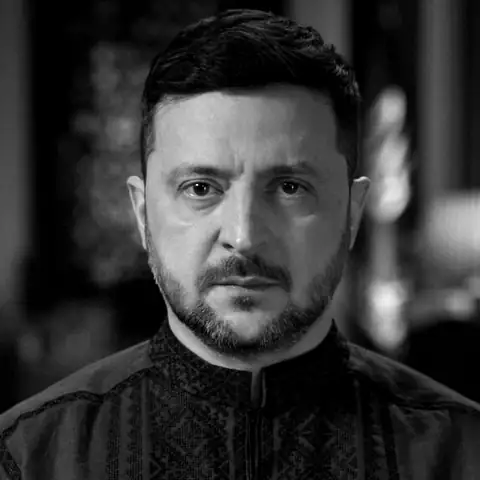 Volodymyr ZelenskyRussia claimed to annex four regions, and in September 2022 he responded by announcing a fast-track NATO application.Source: theguardian.com
At each end of Foreign policy
People whose overall profile leans furthest each way on the axis this issue moves most. A lean on the axis is not a stance on this exact issue.





More foreign policy issues
Military alliances and NATO: questions
What is a military alliance?
It is a formal agreement among countries to defend each other or to coordinate defense. Members share costs, plans and sometimes forces. The core idea is deterrence, because an attack on one may trigger a response from all. Critics warn that it can widen conflicts.
Do military alliances keep the peace?
Supporters say they deter aggression by raising the price of an attack. Critics say they can harden rival blocs and escalate crises. History offers examples used by both sides, so most people judge them by how they are designed, who joins, and how decisions are made.
Is supporting NATO left or right wing?
It does not follow a simple line. Many mainstream parties on the left and right back alliance membership. Skeptics appear in both camps too, with some on the left opposing military blocs and some on the right objecting to costs and foreign commitments. The foreign axis is a better guide.