National service
Should young people serve?
National service asks whether a country can require young people to give a period of their time to the public. Supporters see it as a way to build shared identity, teach skills, strengthen defense and spread the duties of citizenship across all backgrounds. Opponents see a compulsory scheme as a loss of personal freedom, a costly program, and a poor way to build real community.
On the 12 Axes the statement moves foreign and security. Supporting required service points toward the strength end on foreign policy, since many versions involve military readiness. It also leans toward order on security, because it accepts state demands on individuals. Schemes limited to civil service, such as health or environmental work, weaken the military link, which is why the issue is less clear than it first looks. It cuts across left and right. Some conservatives like it for discipline and patriotism. Some on the left like it for social mixing. Libertarians on both sides object to compulsion.
What each side argues
Require service
- Supporters argue that shared service brings together young people from different backgrounds.
- Supporters say it teaches discipline, practical skills and a sense of duty to the wider community.
- Supporters believe a trained population strengthens national defense and resilience in emergencies.
Keep it voluntary
- Opponents argue that forcing people into service violates personal freedom.
- Opponents say it is expensive and that voluntary programs can achieve similar goals.
- Opponents worry that compulsory schemes disrupt education and careers and often do little to build real community.
The statement on national service
- Young adults should be required to complete a period of military or civil service.Agreeing moves you toward Strength
What politicians have said and done
 Alice WeidelBoth the December 2025 military service law and the government's pension package, voted on that same day, met her opposition.Source: abgeordnetenwatch.de
 Felix BanaszakIn December 2025 he voted no on the military service law and no on the coalition's pension package.Source: abgeordnetenwatch.de
 Friedrich MerzThe military service law, which reintroduces compulsory screening of men born from 2008 but leaves service voluntary for now, got his vote in December 2025.Source: abgeordnetenwatch.de
 Heidi ReichinnekDecember 2025 also saw her vote against the military service law, which includes compulsory screening for young men.Source: abgeordnetenwatch.de
 Lars KlingbeilHe voted yes on the December 2025 military service law, which brings compulsory screening of young men.Source: abgeordnetenwatch.de
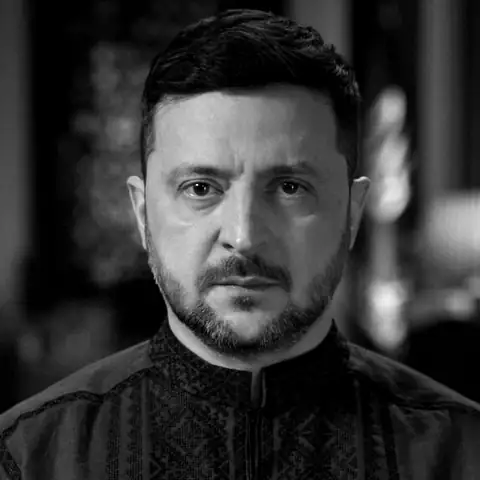 Volodymyr ZelenskyConscription rules were tightened and the mobilisation age lowered by a 2024 law that he signed.Source: edition.cnn.com
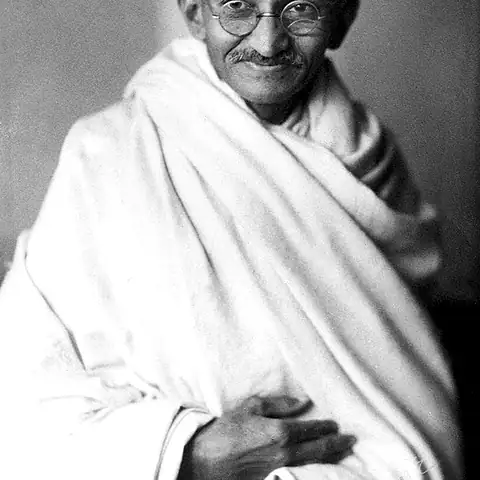
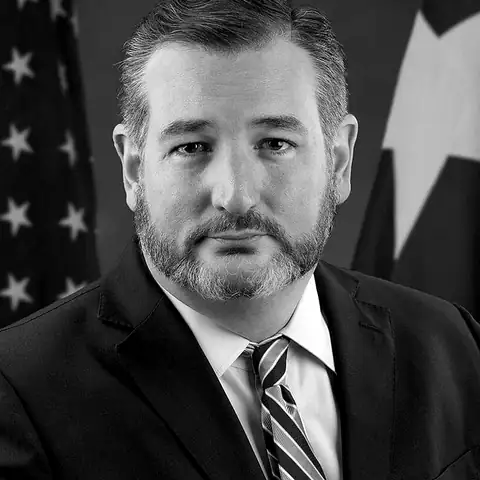
At each end of Foreign policy
People whose overall profile leans furthest each way on the axis this issue moves most. A lean on the axis is not a stance on this exact issue.








More foreign policy issues
National service: questions
Does national service have to be military?
No. Some proposals focus on civil roles such as health care, environmental work or community projects. Others require military service or let people choose. The form of the scheme changes who supports it and what it is meant to achieve.
Is national service a left or right wing idea?
It does not fit cleanly. Some conservatives support it for discipline and national pride, while some on the left support it for social mixing and equal duty. Opposition often comes from libertarians who reject compulsion on principle.
What are the main objections to compulsory service?
Critics point to lost personal freedom, the cost of running a large scheme, disruption to education and work, and doubts that forced participation builds real community. Some also object to requiring military training of people who oppose the use of force.