Gene editing and biotech
Should science be limited by moral objections?
Gene editing and biotechnology raise the question of whether science should be held back by moral or religious limits. Enthusiasts see tools that could prevent serious inherited disease and grow food more efficiently. Skeptics worry about unintended effects, about crossing lines that should not be crossed, and about a future where wealth buys better children. Debates cover medicine, farming, human embryos and who should set the rules.
On the 12 Axes, all three statements move the technology axis. Supporting gene editing for disease prevention and wide use of modified crops pulls toward Embrace. Wanting limits pulls toward Caution. The first statement also moves the religion axis, since rejecting religious limits on research pulls toward Secular. The issue cuts across the usual left and right split. Some on the left distrust corporate control of crops and food, while some on the right see a moral problem in editing life. Many people on both sides back medical uses but resist other ones.
What each side argues
Allow the science
- Supporters say gene editing could end serious inherited diseases and reduce suffering.
- Supporters argue that modified crops can raise yields and reduce hunger with fewer chemicals.
- Supporters believe moral limits should come from public debate and evidence, not from any single faith.
Set firm limits
- Opponents say changing human genes risks harm that may be passed on to future generations.
- Opponents argue that wealthy families could buy advantages and widen inequality.
- Opponents worry that modified crops put too much control in the hands of large companies and carry unknown ecological risks.
3 statements on gene editing and biotech
- Scientific research, such as gene editing, should not be limited by religious objections.Agreeing moves you toward Secular
- Parents should be allowed to use gene editing to prevent serious diseases in their children.Agreeing moves you toward Embrace
- Genetically modified crops should be widely used to grow more food.Agreeing moves you toward Embrace
What politicians have said and done
 Giorgia MeloniHer government moved against lab-grown meat with a ban, saying Italian farming and food traditions needed protection.Source: euronews.com
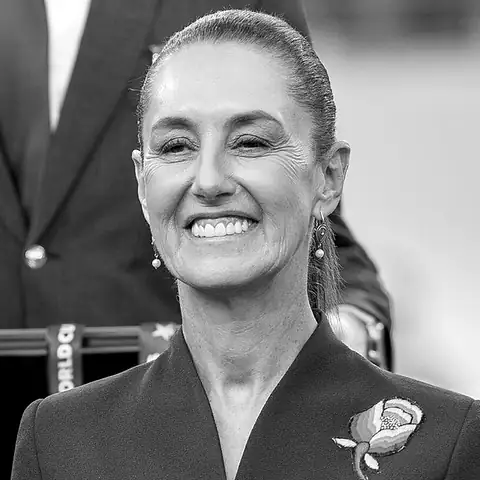 Claudia SheinbaumPlanting genetically modified corn became unconstitutional after she signed a ban in March 2025.Source: seedworld.com
At each end of Technology
People whose overall profile leans furthest each way on the axis this issue moves most. A lean on the axis is not a stance on this exact issue.








More technology issues
Gene editing and biotech: questions
What is gene editing?
Gene editing is a set of techniques that change the DNA of a living thing in a targeted way. It can be used in medicine, farming and research. The debate centers on safety, on whether changes to human embryos should be allowed, and on who gets to decide.
Are genetically modified crops safe?
Many scientific bodies say approved crops are safe to eat, while others call for caution about long term and environmental effects. The wider debate also covers corporate control of seeds, labeling and choice. Your view often depends on how much you trust regulators and companies.
Should religion limit scientific research?
Some people say moral and religious views deserve weight because science can change what it means to be human. Others say research should be guided by evidence, safety and public debate in a plural society. Many accept limits on specific practices while backing most research.