Social media regulation
Should governments regulate social media?
Social media regulation asks whether governments should step in to shape what platforms do and what users, especially children, can see. Supporters of rules point to harm to young people, the spread of falsehoods and the power of a few large companies. Critics worry about free speech, about officials deciding what is true, and about rules that are hard to enforce and easy to abuse. Both sides usually agree there are real problems and differ on who should solve them.
On the 12 Axes, the statements move two axes. Limiting children's access pulls toward Caution on technology. Requiring platforms to remove false or misleading content pulls toward Order on the security axis, since it trades some freedom of speech for control of information. The issue cuts across the usual left and right split. Some conservatives want strong protection of children and families online, while others defend free speech. Some on the left want tough platform rules, while others fear censorship.
What each side argues
Regulate platforms
- Supporters say age limits protect children from harms that parents alone cannot control.
- Supporters argue that platforms profit from false content and should be required to act.
- Supporters believe large companies hold too much power over public debate to be left unchecked.
Leave it open
- Opponents say governments deciding what counts as false content threatens free speech.
- Opponents argue that age rules are hard to enforce and may push children toward less safe corners of the internet.
- Opponents believe parents and users, not the state, should decide how to use these tools.
2 statements on social media regulation
- Laws should limit children's access to social media.Agreeing moves you toward Caution
- The government should require social media platforms to remove false or misleading content.Agreeing moves you toward Order
What politicians have said and done
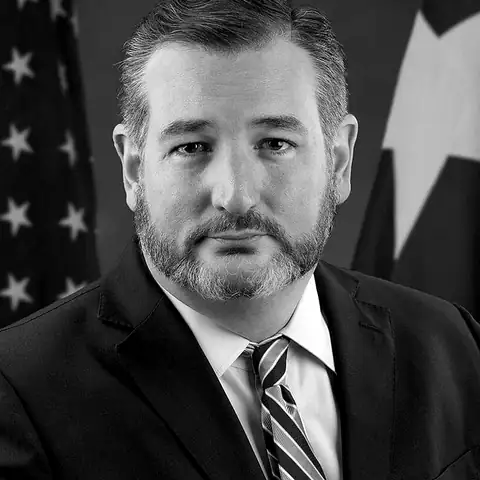 Ted CruzPlatforms must remove nonconsensual intimate images, AI deepfakes among them, under the TAKE IT DOWN Act, which he led and which became law in May 2025.Source: fox4news.com
At each end of Technology
People whose overall profile leans furthest each way on the axis this issue moves most. A lean on the axis is not a stance on this exact issue.






More technology issues
Social media regulation: questions
Should children be banned from social media?
Supporters of limits say platforms can harm mental health and attention and that parents cannot manage the problem alone. Critics say bans are hard to enforce, may cut young people off from friends and information, and raise privacy concerns through age checks. Many favor safer design over outright bans.
Should governments remove false information online?
Supporters say falsehoods can cause real harm, from health scares to election confusion. Critics say it gives officials or companies power to decide what is true and may silence legitimate dissent. Many support limited rules, such as transparency and clear appeal rights, over broad removal duties.
Is social media regulation left or right wing?
It does not follow a clean line. Both sides worry about child safety and big tech power, and both fear censorship from the other camp. Where you land often depends on whether you favor freedom or order, and whether you trust governments or companies more.