Crime and prisons
Punishment or rehabilitation?
Societies punish crime for several reasons, and they do not always agree on which one matters most. Some want prison to deter others and give offenders what they deserve. Some want it to protect the public by keeping dangerous people away. Others want it to change people so they leave and do not offend again. Debates over sentence length, prison conditions and who should run prisons all come from this basic split between punishment and rehabilitation.
On the 12 Axes, the statements on punishment and rehabilitation mainly move security. Favoring rehabilitation points toward the liberty end. Favoring harsher sentences points toward the order end. The statement on private prisons moves ownership, since opposing for-profit prisons points toward the public end. The issue cuts across left and right in some ways. Some conservatives support rehabilitation because it saves money and reduces repeat offending, and some on the left worry about public safety in high-crime areas. Few people hold only one of these goals.
What each side argues
Rehabilitate
- Supporters argue that helping offenders gain skills and treatment lowers the chance they commit crimes again.
- Supporters say long, harsh sentences are costly and often leave people less able to rejoin society.
- Supporters believe the state should not profit from running prisons, since that creates a reason to keep them full.
Punish harder
- Opponents argue that tough sentences deter crime and keep dangerous people off the streets.
- Opponents say justice requires that serious wrongdoing carries a real penalty that victims can see.
- Opponents believe private operators can run prisons more efficiently than the government.
3 statements on crime and prisons
- Prisons should focus more on rehabilitation than on punishment.Agreeing moves you toward Liberty
- Harsher punishments are the most effective way to reduce crime.Agreeing moves you toward Order
- Private companies should not be allowed to run prisons.Agreeing moves you toward Public
What politicians have said and done
 Ciro GomesHis 2026 platform for Ceará aims at the command chains of criminal factions, opposes body cameras for military police and promises to resume Fortaleza metro works.Source: cnnbrasil.com.br
- Ciro GomesIn April 2026 he called Ceará's security situation severe, citing organised crime's reach into politics, and said local divisions between Lula and Bolsonaro supporters could be set aside for a state agenda.Source: mais.opovo.com.br
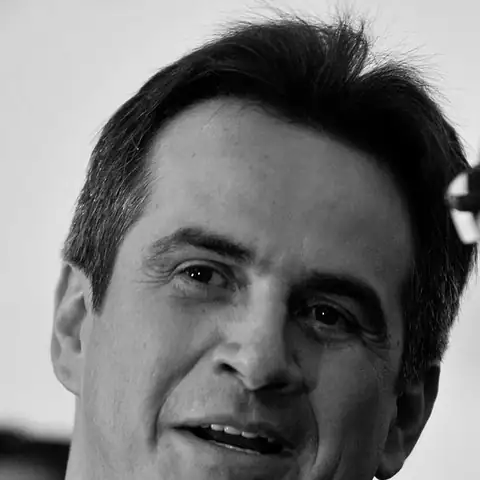 Ciro NogueiraHe voted for the December 2025 sentencing bill benefiting those convicted over the 8 January 2023 attacks, approved 48 to 25.Source: cartacapital.com.br
- Ciro NogueiraHe is first signatory of a pending amendment to lower the age of criminal responsibility to 16.Source: congressoemfoco.com.br
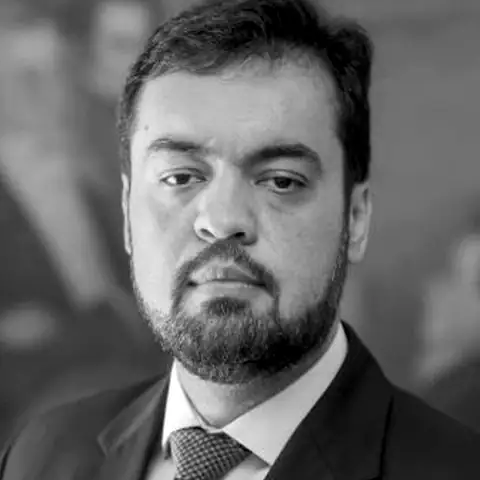 Cláudio CastroHe has lobbied the United States to classify the Comando Vermelho gang as a terrorist organisation, according to the same report.Source: gazetadopovo.com.br
 Damares AlvesHer bill PL 555/2026, the Lei Rodrigo Castanheira, raises penalties for homicide and bodily harm against children and adolescents, and the committee approved it on 11 March 2026.Source: www25.senado.leg.br
- Damares AlvesShe supports immediate application of the 2026 sentence-reduction law for those convicted over the 8 January 2023 attacks, and sent a complaint on their prison conditions to the inter-American commission.Source: itatiaia.com.br
 Davi AlcolumbreAs President of Congress he promulgated the Dosimetria law, which reduces sentences for those convicted over the 8 January attacks and the coup plot, on 8 May 2026 after Lula let the deadline pass.Source: dgabc.com.br
- Davi AlcolumbreHe withdrew the public security PEC from the Senate agenda on 15 October 2026, citing the need to avoid a hasty discussion and to settle amendments on lowering the age of criminal responsibility.Source: brasildefato.com.br
- Flávio BolsonaroWants new maximum-security federal prisons, a lower age of criminal responsibility, and no more sentence progression where heinous crimes are concerned.Source: acritica.net
- Flávio BolsonaroIf an amnesty law fails to pass, he has said he would pardon people convicted over the attacks of 8 January 2023.Source: sbtnews.sbt.com.br
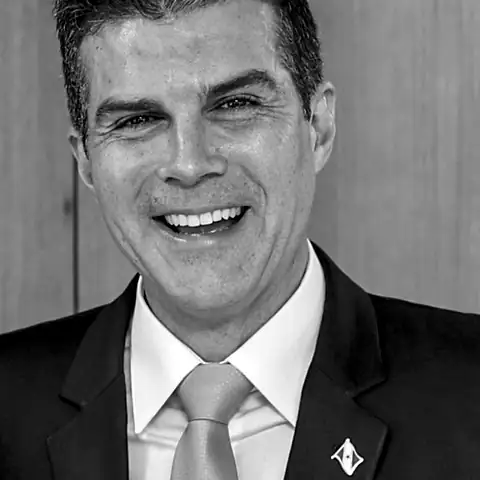 Helder BarbalhoHis Senate platform includes tougher penalties and measures against organised crime, new public hiring contests and investment in police equipment and vehicles.Source: cnnbrasil.com.br
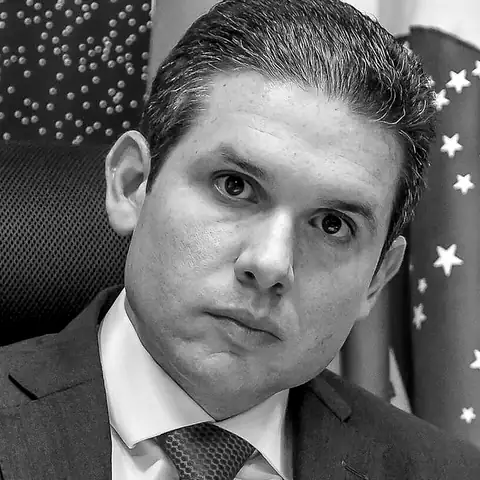 Hugo MottaHe put the Dosimetria bill, which cuts sentences for those convicted over the 8 January attacks and the coup plot, to a vote, and the Chamber approved it 291 to 148 in December 2025.Source: agenciabrasil.ebc.com.br
- Hugo MottaOn 4 March 2026 the Chamber passed the public security PEC, 461 to 14 in the second round, after he and the rapporteur removed the cut in the age of criminal responsibility.Source: congressoemfoco.com.br
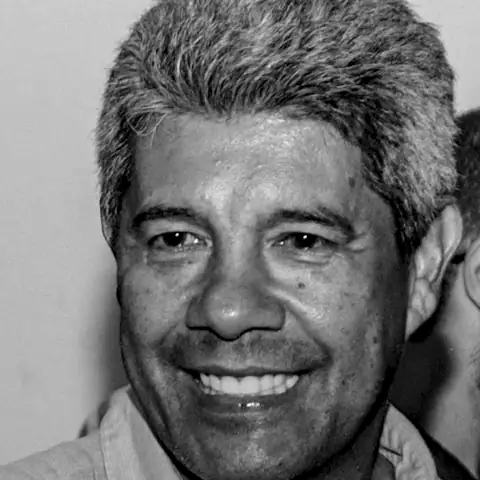 Jerônimo RodriguesIn December 2025 he asked the federal government to coordinate a national security action and cited a 7.3 percent fall in violent deaths in the first half of 2025.Source: cnnbrasil.com.br
 João CamposCalled criminal factions "the great plague" of security and violence, and proposed stronger police forces, preventive policies, border monitoring and zero tolerance on violence against women.Source: cnnbrasil.com.br
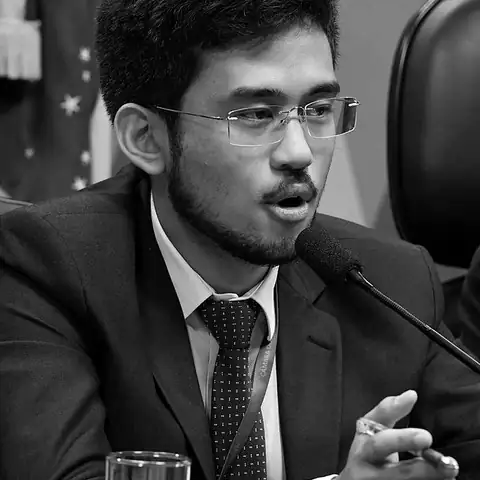 Kim KataguiriIn September 2025 he said he would not vote for or support an amnesty for Jair Bolsonaro and his inner circle, but supported reducing sentences for people involved in the 8 January protests.Source: itatiaia.com.br
- Renan CalheirosHe voted against the December 2025 sentencing bill benefiting those convicted over the 8 January 2023 attacks, which passed 48 to 25.Source: cartacapital.com.br
- Renan CalheirosIn September 2025 he told the Senate justice committee that the legislative-immunity amendment known as the Blindagem could let criminals contest elections, asking whether it was a proposal of the PCC gang.Source: cnnbrasil.com.br
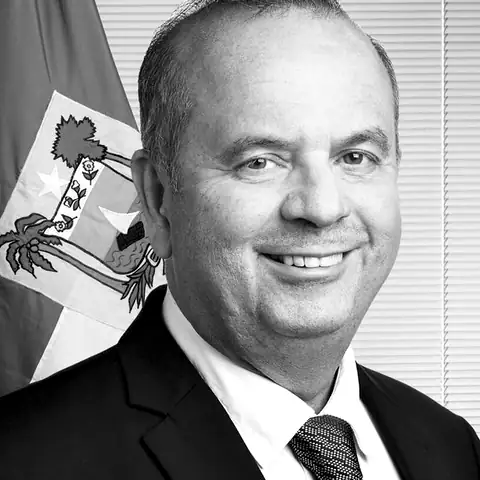 Rogério MarinhoHe voted for the December 2025 sentencing bill benefiting those convicted over the 8 January 2023 attacks.Source: cartacapital.com.br
 Ronaldo CaiadoHis platform creates a Ministry of Public Security and a law treating factions and militias with territorial control and armed capacity as "domestic terrorism".Source: congressoemfoco.com.br
- Ronaldo CaiadoProposes minimum sentences of 45 years for faction leadership and recruitment, a special prison regime for leaders, and lowering the age of criminal responsibility to 16 for serious crimes.Source: congressoemfoco.com.br
- Ronaldo CaiadoPromised on 28 August 2026 to build 40 maximum-security prisons and to treat factions as domestic terrorists.Source: brasil247.com
 Sergio MoroIn February 2025 he said he favoured an amnesty for those jailed over the 8 January 2023 riots, arguing that the sentences are excessive and that the amnesty should not be mixed with 1964 or 2026.Source: crusoe.com.br
 Tabata AmaralShe voted against the sentence-reduction bill for the 8 January 2023 convicts when the Chamber passed it, 291 to 148, on 10 December 2025.Source: oantagonista.com.br
- Tabata AmaralOn 30 April 2026 she voted to keep President Lula's veto of that bill, which Congress overrode by 318 votes to 144 in the Chamber.Source: gazetadopovo.com.br
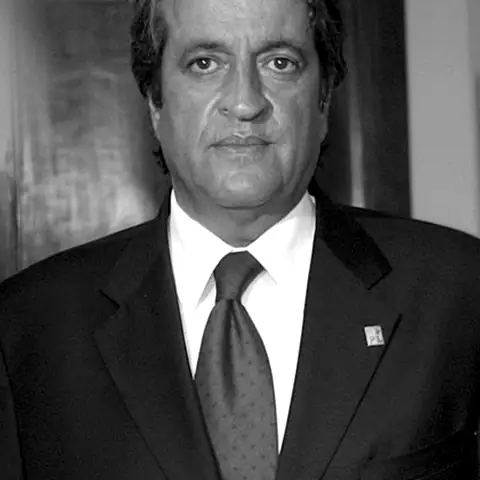 Valdemar Costa NetoBefore the 2026 vote reporting said the PL needed deals with other parties to approve an amnesty for the 8 January convicts and the impeachment of Supreme Court ministers.Source: gazetadopovo.com.br
 Pierre PoilievreUnder his Jail Not Bail Act, a major offence category would be created and repeat offenders would no longer be granted bail.Source: ctvnews.ca
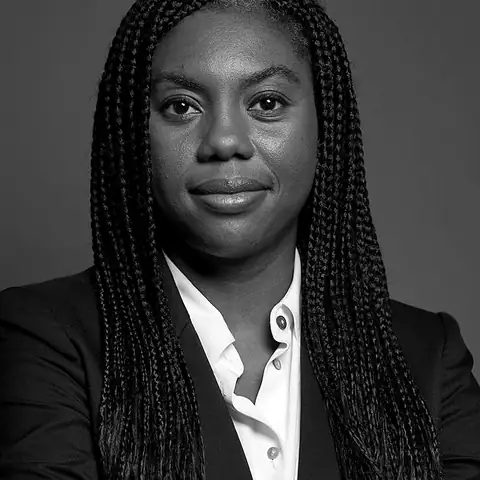 Kemi BadenochShe has pledged to fund 50,000 new prison places by repurposing the aid budget.Source: conservatives.com
 Donald TrumpPeople convicted over the events at the Capitol on 6 January 2021 received pardons from him, and 14 others had their sentences commuted.Source: whitehouse.gov
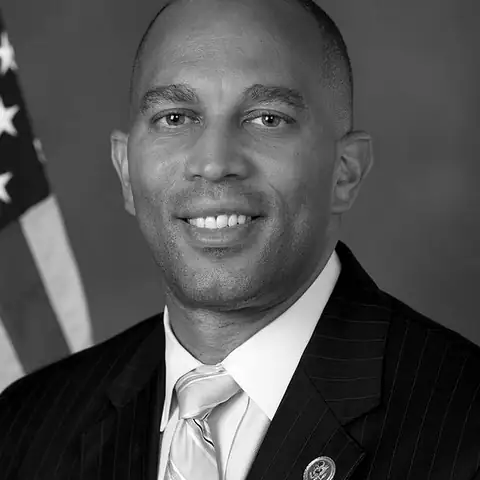 Hakeem JeffriesFederal sentencing and prison reform was the subject of the FIRST STEP Act, for which he was the lead Democratic sponsor; the George Floyd Justice in Policing Act also had his support.Source: jeffries.house.gov
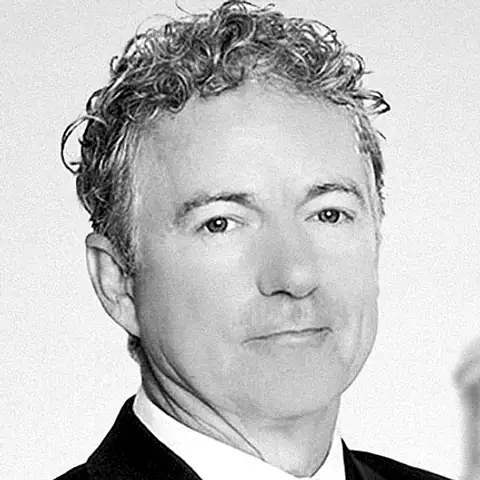 Rand PaulIn 2018 he urged Senate leaders to hold a vote on the criminal justice reform bill known as the First Step Act.Source: nbcnews.com
At each end of Security
People whose overall profile leans furthest each way on the axis this issue moves most. A lean on the axis is not a stance on this exact issue.




More security issues
Crime and prisons: questions
Does rehabilitation work better than punishment?
People disagree on the evidence and on the purpose of prison. Supporters of rehabilitation say programs reduce repeat offending. Supporters of punishment say prison also serves justice and deterrence. Many systems try to combine both.
Is being tough on crime a right wing position?
Often, but not always. Order and tough sentencing are more common on the right. Yet some conservatives back reform to cut costs, and some on the left want tough action on violent crime. Positions vary by the type of offense.
Why do some people oppose private prisons?
Critics say companies paid by the number of inmates have a reason to keep prisons full, and that punishment is a core state duty. Supporters say competition can lower costs and improve services. The debate reflects the wider argument over public versus private ownership.