Policing
How much power should the police have?
Policing is a balance between safety and liberty. One view holds that police need strong powers, such as stopping and searching suspicious people and using tools like facial recognition, to prevent crime and protect the public. Another view holds that broad powers can be misused, fall unevenly on some groups, and wear down trust. It also asks whether money would be better spent on mental health and social services that tackle the causes of crime and disorder.
On the 12 Axes this issue moves the security axis. Giving police more power points toward the Order pole, while limiting those powers and shifting funds to social services points toward Liberty. Shifting funds also nods toward the Shared pole on welfare, and giving local communities more say over policing points toward the Local pole on structure. The issue cuts across the usual split. Some libertarian conservatives distrust police powers and surveillance, while some on the left in high-crime neighborhoods want more policing, not less. Many people hold both views at once, wanting safe streets and strong protection from abuse.
What each side argues
More police power
- Supporters of stronger powers argue that stop and search helps officers prevent crime before it happens.
- Supporters say modern tools such as facial recognition help find dangerous suspects quickly.
- Supporters believe that visible, well-resourced policing makes communities safer, especially in areas with high crime.
More limits and local say
- Opponents argue that broad stop and search powers are often applied unevenly and damage trust between police and communities.
- Opponents say facial recognition in public places is a form of mass surveillance that threatens privacy.
- Opponents of current budgets say mental health care and social services can prevent crime that policing cannot solve.
4 statements on policing
- Police should have more power to stop and search people they find suspicious.Agreeing moves you toward Order
- Police should be allowed to use facial recognition cameras in public places.Agreeing moves you toward Order
- Part of police budgets should be moved to social services such as mental health care.Agreeing moves you toward Liberty
- Local communities should have more say over how they are policed.Agreeing moves you toward Local
What politicians have said and done
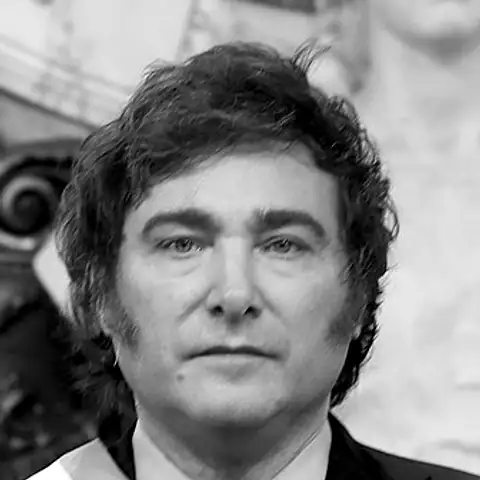 Javier MileiExpanded police powers went to a new National Migration Agency, which he created in November 2025.Source: english.elpais.com
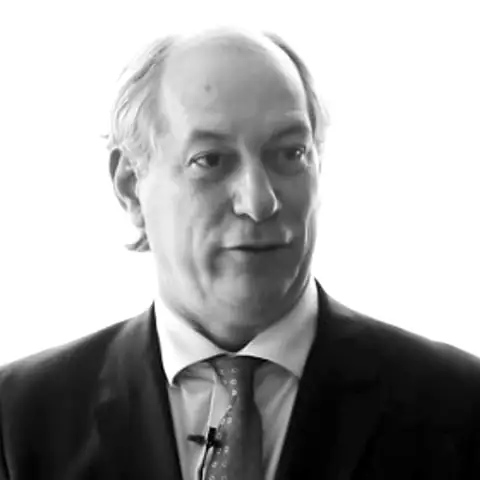 Ciro GomesHis 2026 platform for Ceará aims at the command chains of criminal factions, opposes body cameras for military police and promises to resume Fortaleza metro works.Source: cnnbrasil.com.br
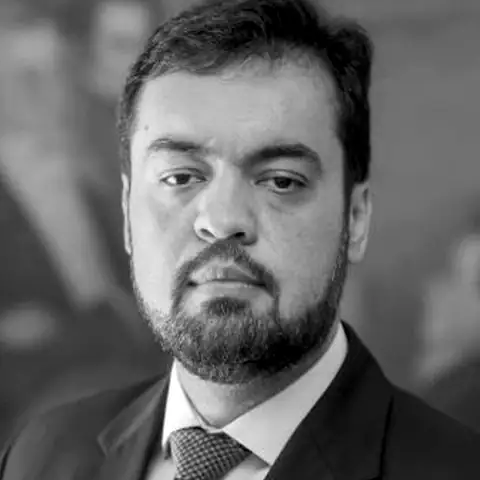 Cláudio CastroAs reported in November 2025, he made public security his first priority and cited over R$4.5 billion invested in police equipment, vehicles and pay.Source: gazetadopovo.com.br
- Cláudio CastroAfter the 28 October 2025 police operation in the Alemão and Penha complexes he called it a success and said the only victims were the four police officers killed.Source: istoedinheiro.com.br
- Cláudio CastroHe gave an official toll of 58 dead and said it would change; a day later one outlet reported a count of 119, and Justice Alexandre de Moraes ordered him to answer 18 questions about the operation.Source: conexaoto.com.br
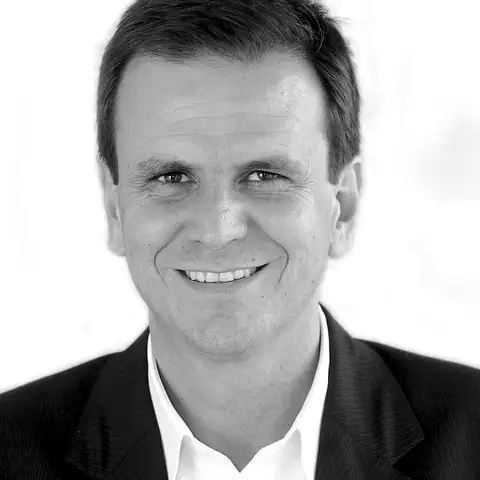 Eduardo PaesOn taking office in January 2025 he proposed an armed Municipal Security Force to complement the state police, with a working group to study it.Source: agenciabrasil.ebc.com.br
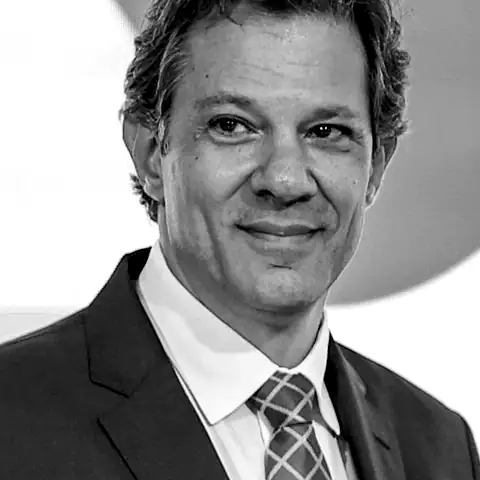 Fernando HaddadProposed a state anti-faction agency, continuous-recording police body cameras, phone tracking by IMEI and artificial intelligence to identify crime patterns.Source: dgabc.com.br
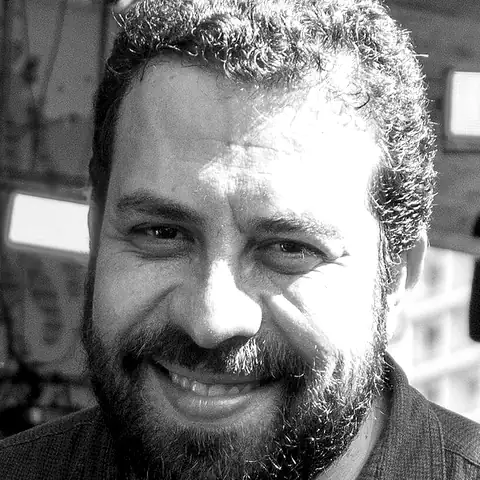 Guilherme BoulosHis proposal for São Paulo was to double the municipal guard and to work on security jointly with the state governor and the federal government.Source: seudinheiro.com
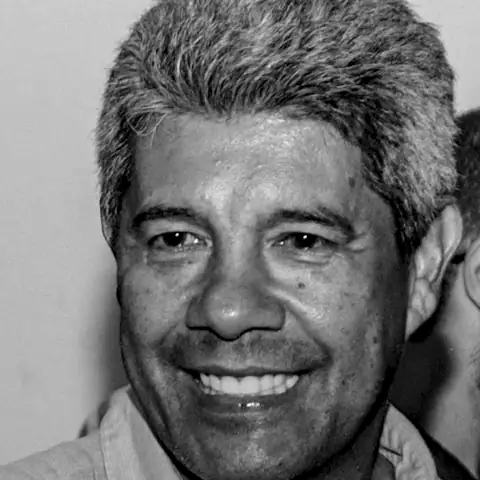 Jerônimo RodriguesHis security plan includes intelligence-led policing, reducing police lethality and the Bahia pela Paz program for vulnerable young people.Source: cnnbrasil.com.br
- Jerônimo RodriguesIn August 2023, after the federal human rights ministry asked for monitoring of police killings in Bahia, he pledged to investigate any excesses.Source: bahianoticias.com.br
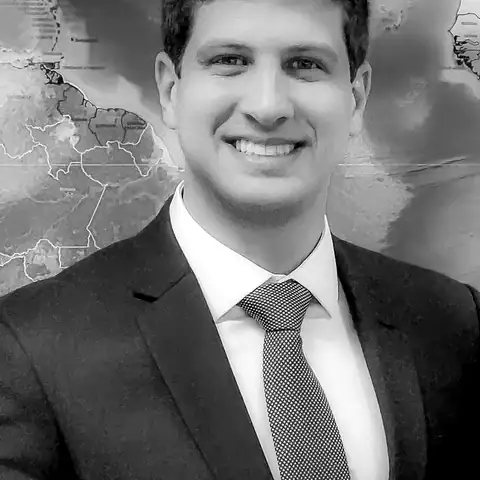 João CamposCalled criminal factions "the great plague" of security and violence, and proposed stronger police forces, preventive policies, border monitoring and zero tolerance on violence against women.Source: cnnbrasil.com.br
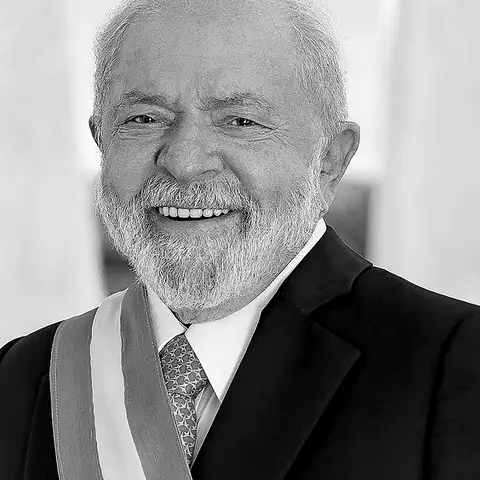 LulaHe proposes creating a Ministry of Public Security, putting body cameras on more police, and continuing arms control policies.Source: congressoemfoco.com.br
 Pablo MarçalHe wanted to expand the municipal guard from about 7,000 to 21,000 agents.Source: infomoney.com.br
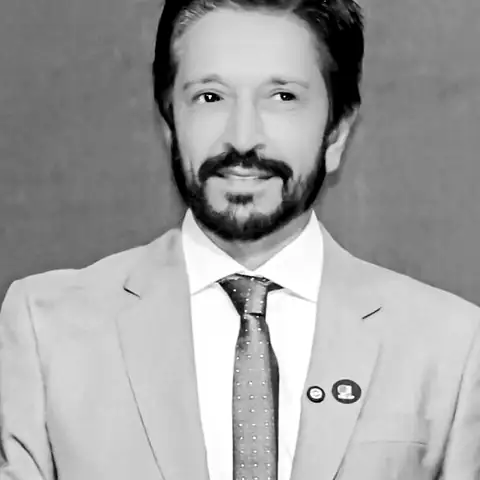 Ricardo NunesIn 2023 he said the city had added 1,000 municipal guards and would run 20,000 cameras, 14,000 with artificial intelligence, around the Cracolândia and elsewhere.Source: jovempan.com.br
- Ricardo NunesIn June 2024 a judge barred the municipal guard from rubber bullets and gas bombs in the Cracolândia; Nunes said he would appeal.Source: sbtnews.sbt.com.br
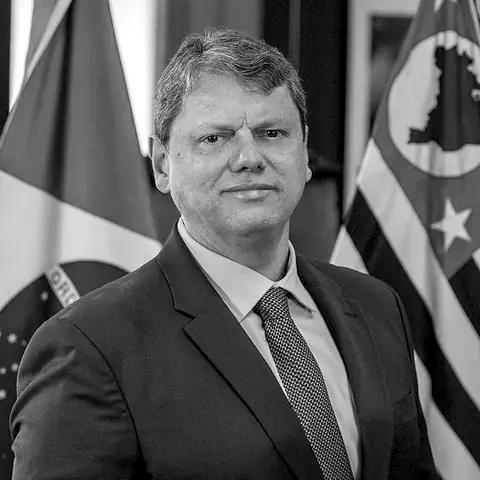 Tarcísio de FreitasBy December 2024 he was saying that criticising police body cameras had been a mistake.Source: infomoney.com.br
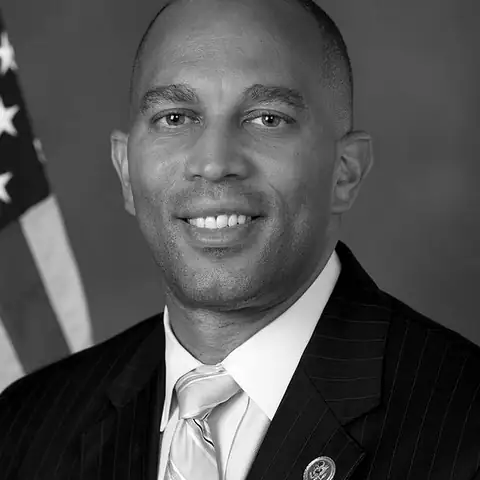 Hakeem JeffriesHe says House Democrats will refuse to fund mass deportations, and he backs judicial warrants and body cameras for ICE agents, who should also stop covering their faces.Source: democraticleader.house.gov
- Hakeem JeffriesFederal sentencing and prison reform was the subject of the FIRST STEP Act, for which he was the lead Democratic sponsor; the George Floyd Justice in Policing Act also had his support.Source: jeffries.house.gov
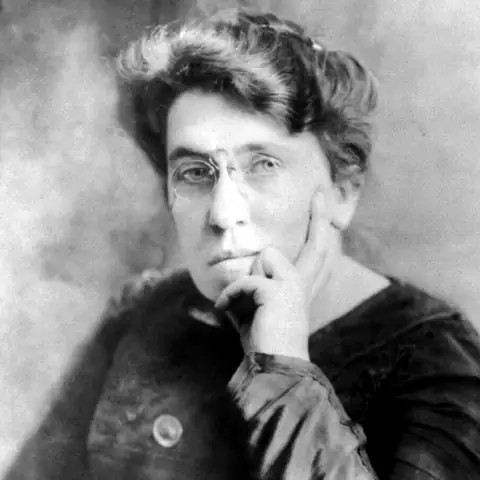
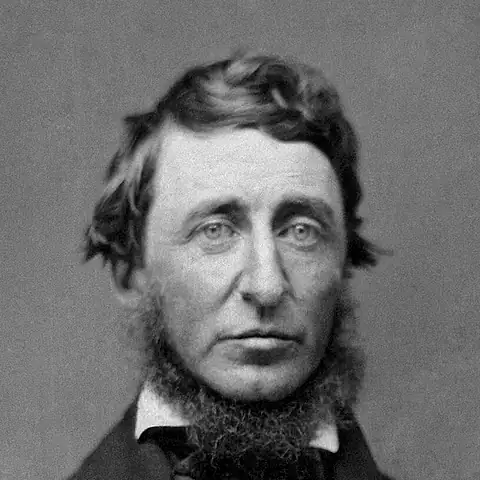
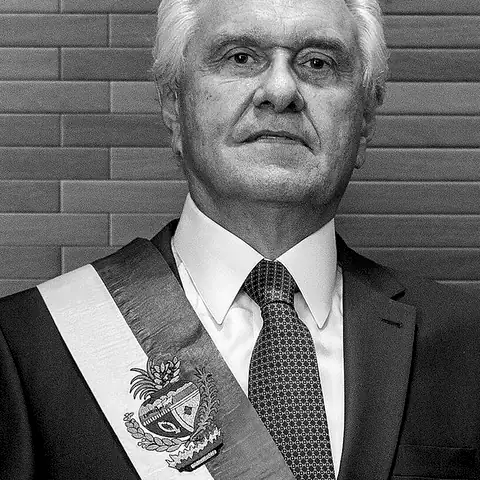
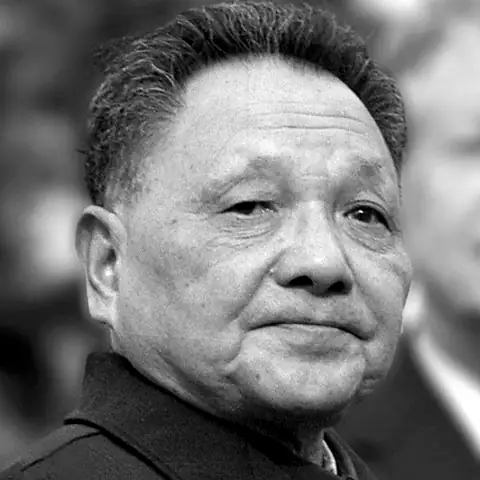
At each end of Security
People whose overall profile leans furthest each way on the axis this issue moves most. A lean on the axis is not a stance on this exact issue.

More security issues
Policing: questions
What does defund the police mean?
The phrase usually means moving part of police budgets to other services, such as mental health care, housing or youth programs. Supporters say these tackle root causes of crime. Critics say it risks leaving communities less safe. Some people use the phrase to mean abolishing police, but many supporters do not.
What is stop and search?
Stop and search is a police power to stop a person in public and search them for items such as weapons or drugs. Supporters say it deters and detects crime. Critics say it is used unevenly, can target certain groups, and can damage trust in the police.
Is more policing a left or right wing position?
More police powers are generally linked to the right, and limits or reallocation of funds to the left. But views vary. Many residents in high-crime areas of every political stripe want a stronger police presence. On the 12 Axes the issue mainly moves the security axis.