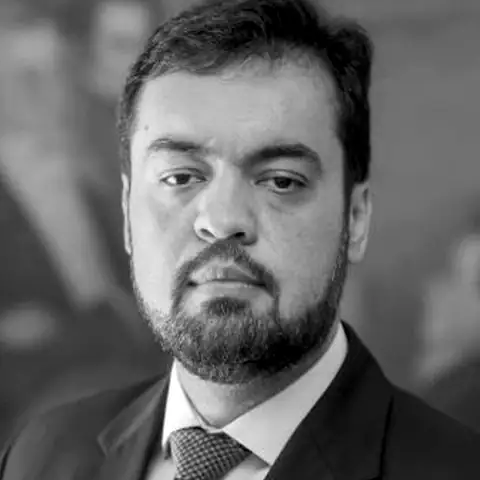
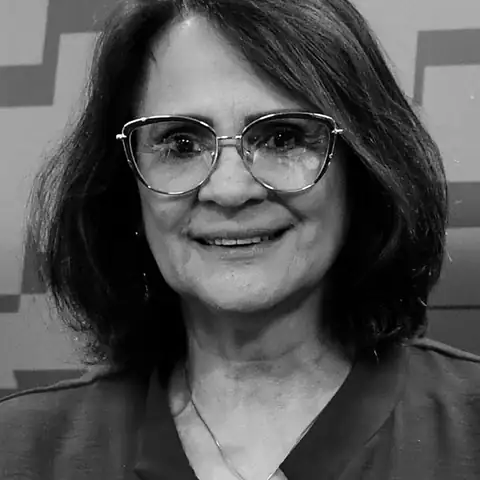
Who is Renan Calheiros?
Renan Calheiros, born in 1955, took his Senate seat for Alagoas in February 1995 and was re-elected in 2002, 2010 and 2018. He presided over the chamber four times, in 2005, 2007, 2013 and 2015. In 2021 he was rapporteur of the Senate's inquiry into the government's handling of Covid-19. He sought a fifth consecutive term in October 2026 but finished third in the two-seat race with about 22 percent of valid votes, behind Arthur Lira (PP) and Marina JHC (PSDB). His term ends in January 2027, after 32 consecutive years.
Previously: Rapporteur of the Senate's Covid-19 inquiry (2021) · President of the Senate (2005, 2007, 2013 and 2015 terms)
Documented positions
- He voted against the June 2021 measure enabling the privatisation of Eletrobras, which passed 42 to 37.Source: cut.org.br
- He voted against the 2017 labour reform, which passed the Senate 50 to 26.Source: congressoemfoco.com.br
- He voted against the April 2024 constitutional amendment criminalising possession of any quantity of drugs.Source: cnnbrasil.com.br
- He voted against the December 2025 sentencing bill benefiting those convicted over the 8 January 2023 attacks, which passed 48 to 25.Source: cartacapital.com.br
- In September 2025 he told the Senate justice committee that the legislative-immunity amendment known as the Blindagem could let criminals contest elections, asking whether it was a proposal of the PCC gang.Source: cnnbrasil.com.br
- As rapporteur he wrote the final report of the Covid inquiry, approved 7 to 4 on 26 October 2021, which recommended President Bolsonaro's indictment.Source: www12.senado.leg.br
Record
Calheiros is one of the longest-serving members of the Senate since the return to democracy. In 2007 he resigned the Senate presidency during a proceeding that could have cost him his seat; the full Senate later acquitted him. The Covid inquiry report that he wrote requested around 80 indictments, with the exact count varying between 78 and 81 depending on the tally, and was sent to prosecutors.
Supporters credit him with holding the Bolsonaro government to account through the inquiry and with resisting measures that would shield legislators. Critics, among them the government leader in the Senate at the time, argued there was no legal basis to criminalise the president and that many allegations rested on news reports.
In their words
“Será essa uma PEC do PCC?”