Religion and the state
What role should religion play in public life?
Societies disagree about how religion and public life should mix. One view says government should be neutral, with faith kept in private life, so people of every belief or none are treated equally. The other view says religion gives a society its moral base, and that public life should reflect the values most citizens share. Disputes arise over schools, symbols in public buildings, laws and the political voice of religious leaders.
On the 12 Axes this issue moves the religion axis directly. Statements favoring separation, neutral schools and secular public spaces point toward the secular end. Statements favoring religious values in law, school prayer and religious leaders in debate point toward the religious end. The issue cuts across left and right. Religious communities include people with views from every part of the spectrum, and many religious people support strict separation to protect their own freedom. Some secular people also back a role for religion in civic life as part of cultural heritage.
What each side argues
Keep them separate
- Supporters argue that a neutral state treats believers and non-believers equally.
- Supporters say keeping religion out of government protects both faith and politics from interference.
- Supporters believe schools should teach about many faiths rather than promote one.
A role for faith
- Opponents argue that religious values are a source of morality that should inform public life.
- Opponents say a strict ban on religion in public removes a major part of many citizens' identity.
- Opponents hold that long-standing traditions, such as school prayer or symbols, are part of shared heritage.
7 statements on religion and the state
- Religious values should play an important role in public life.Agreeing moves you toward Religious
- Religion and government should be kept fully separate.Agreeing moves you toward Secular
- Laws should reflect the moral teachings of the country's main religion.Agreeing moves you toward Religious
- Religious symbols should not be displayed in public buildings such as courts and schools.Agreeing moves you toward Secular
- Religious leaders should stay out of political debates.Agreeing moves you toward Secular
- Public schools should set aside time for prayer.Agreeing moves you toward Religious
- Public schools should teach about many religions rather than promote one.Agreeing moves you toward Secular
What politicians have said and done
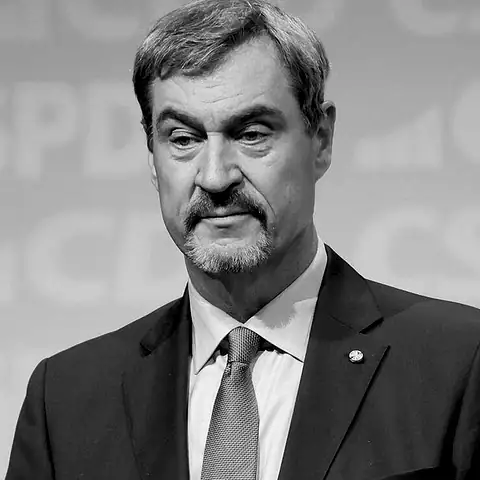 Markus SöderA June 2018 order from his government put crosses at the entrances to Bavarian state buildings.Source: thetablet.co.uk
 Emmanuel MacronReorganising how Islam is financed and how imams are trained in France is something he has proposed, presenting it as protection for national cohesion and secularism.Source: bridge.georgetown.edu
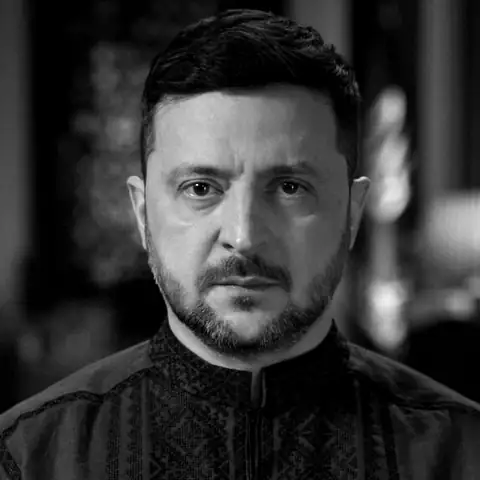 Volodymyr ZelenskyHe signed a 2024 law under which the Ukrainian Orthodox Church tied to the Moscow Patriarchate could be banned.Source: kyivindependent.com
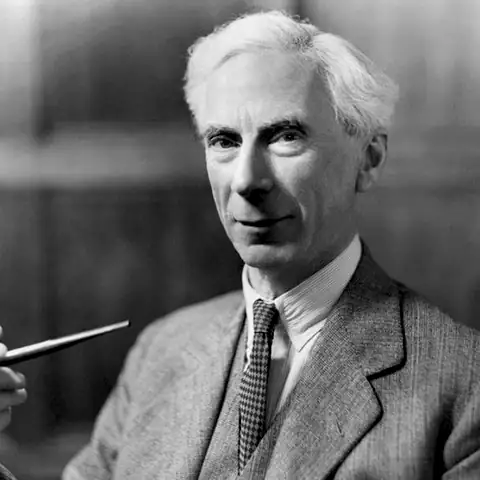
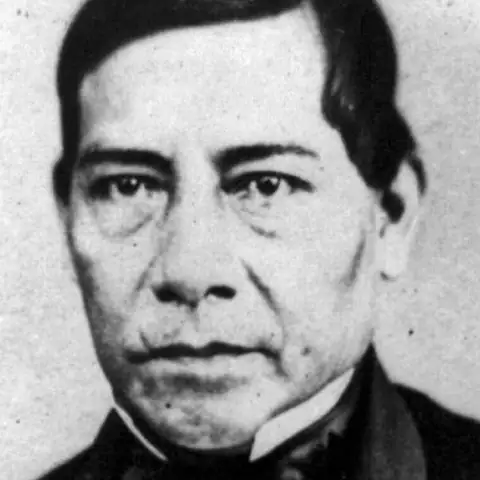
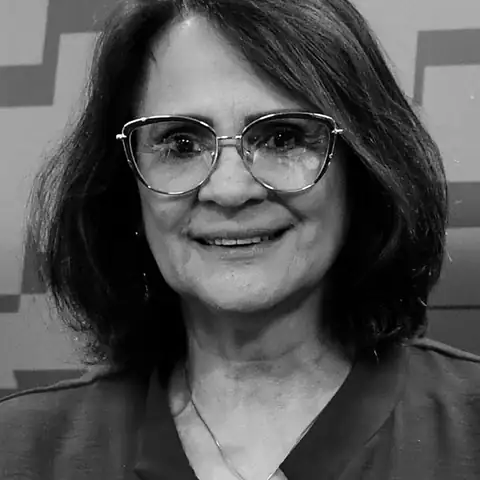
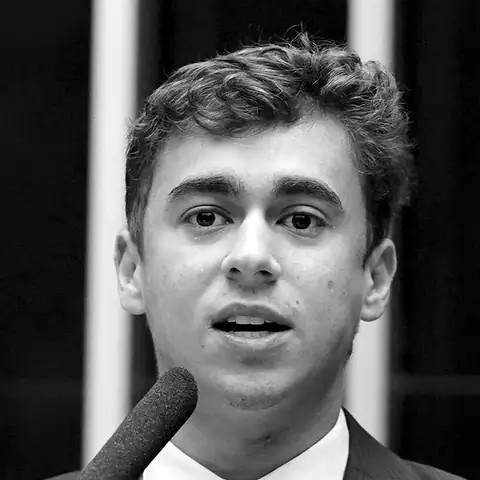
At each end of Religion
People whose overall profile leans furthest each way on the axis this issue moves most. A lean on the axis is not a stance on this exact issue.



More religion issues
Religion and the state: questions
What does separation of religion and state mean?
It means government institutions do not favor or fund any one religion, and religious bodies do not control the state. Countries apply this differently. Some keep religion fully out of public life, while others allow it more space as long as no faith is favored.
Is secularism the same as being anti-religious?
No. Many supporters of secularism are religious and want a neutral state so that every faith is protected. Critics say strict secularism can end up pushing religion out of public life. The debate is about how neutral the state should be.
Should religious values influence laws?
People disagree. Some say values drawn from faith are legitimate inputs like any others. Others say laws should rest on reasons everyone can share, whatever their beliefs. Many accept religious motives for lawmakers while opposing laws that favor one faith.