Tariffs and protectionism
Should countries use tariffs to protect jobs?
A tariff is a tax on imported goods. Supporters say it makes foreign products more expensive, which helps local producers compete and keeps jobs at home. They also argue that a country should be able to protect industries it considers vital, and that buying domestic is a reasonable priority. Critics say tariffs are paid mostly by the consumers and firms that buy the goods, invite retaliation, shelter inefficient companies from competition and often cost more jobs than they save.
On the 12 Axes this issue is about the trade axis. Backing tariffs, domestic purchasing rules and buy-local campaigns points toward the Protected pole. Putting domestic jobs above open trade also nudges toward the Planned pole on markets, since it means the state steers the economy. The issue cuts across left and right. Nationalist conservatives and labor-minded progressives often back protection, while free-market conservatives and many liberal internationalists oppose it. This is why the same policy can attract odd alliances. The disagreement is less about whether jobs matter and more about whether tariffs actually protect them, and who pays for the protection.
What each side argues
Protect domestic jobs
- Supporters argue that tariffs shield workers and firms from imports that are cheap because of low wages or state subsidies abroad.
- Supporters say countries should keep key industries at home so they do not depend on rivals in a crisis.
- Supporters believe favoring domestic suppliers in public buying keeps tax money circulating in the local economy.
Keep trade open
- Opponents argue that tariffs raise prices for consumers and for firms that rely on imported parts.
- Opponents warn that other countries often retaliate, which hurts exporters and the workers who rely on them.
- Opponents say protection reduces competition, so protected industries have less reason to improve.
4 statements on tariffs and protectionism
- Tariffs on imported goods are a good way to protect domestic jobs.Agreeing moves you toward Protected
- The government should favor domestic companies when it buys goods and services.Agreeing moves you toward Protected
- The government should encourage people to buy products made in their own country.Agreeing moves you toward Protected
- Protecting domestic jobs is more important than keeping trade open with other countries.Agreeing moves you toward Protected
What politicians have said and done
 Davi AlcolumbreIn July 2025, with Motta, he called for dialogue in the diplomatic and commercial fields over the 50 percent US tariff and cited the reciprocity law as a way to protect sovereignty.Source: istoe.com.br
 Erika HiltonShe authored PL 971/2025, which would create a commercial reciprocity policy toward foreign countries or economic blocs.Source: dadosabertos.camara.leg.br
 Geraldo AlckminAs head of the government committee on the US tariffs, he said in September 2025 that about 8 percent of the affected exports had been freed from them.Source: agenciagov.ebc.com.br
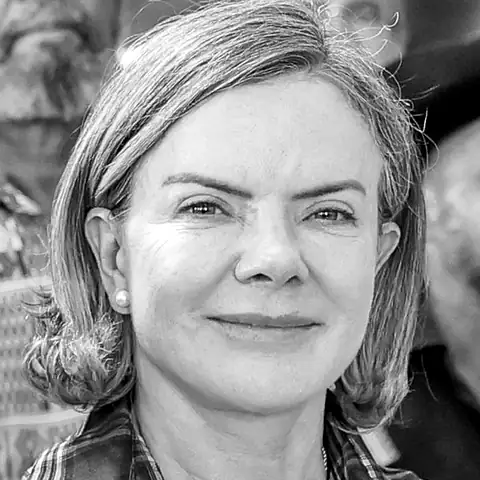 Gleisi HoffmannIn December 2025 she criticised the opposition over the US tariffs and said the Judiciary acted independently when it convicted those who attacked the democratic order.Source: portaltela.com
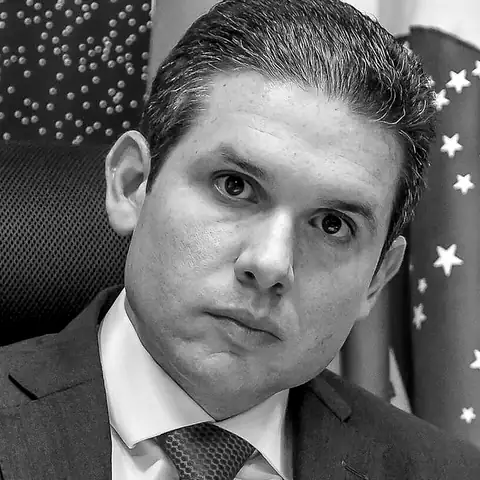 Hugo MottaIn July 2026 he criticised a new 25 percent US tariff on Brazilian products and defended the Economic Reciprocity Law as the response.Source: tribunadosertao.com.br
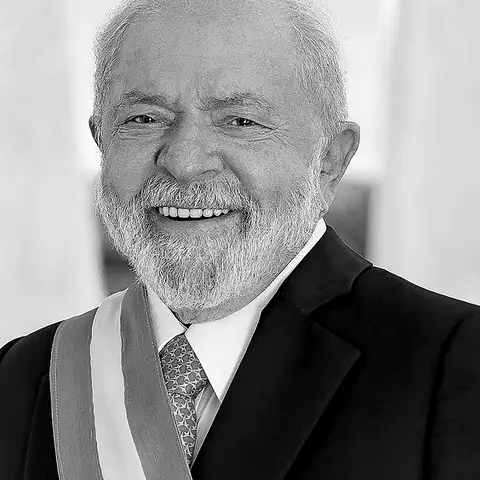 LulaUS tariffs and sanctions on Brazilian officials preceded his June 2026 appeal to President Donald Trump of the United States: stay out of Brazil's elections.Source: aljazeera.com
 Avi LewisHis answer to US tariffs is a levy on oil and gas sold to the United States, together with a windfall tax aimed at fossil fuel firms.Source: lewisisleader.ca
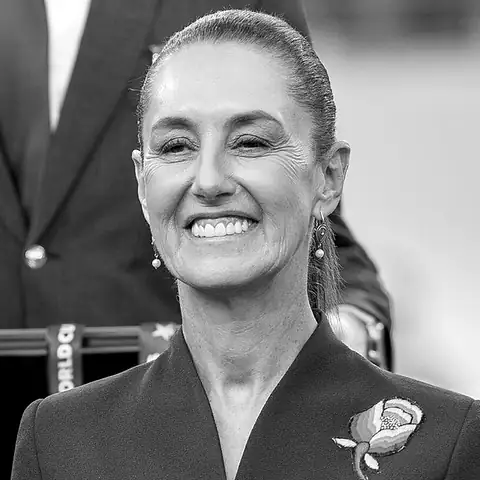 Claudia SheinbaumShe backed tariffs of as much as 50 percent, approved in December 2025, aimed at goods from countries that lack trade agreements with Mexico.Source: ttnews.com
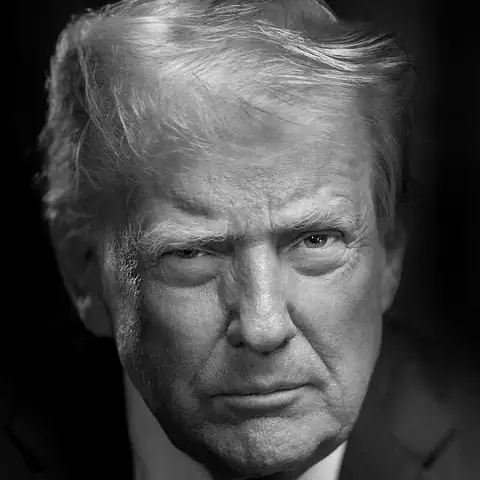 Donald TrumpIn 2025 he used emergency powers to impose broad tariffs. The Supreme Court held in February 2026 that the emergency law gave no such authority, so he imposed a temporary global duty lasting 150 days under Trade Act section 122, which Section 301 tariffs on 60 trading partners replaced in July 2026.Source: taxnews.ey.com
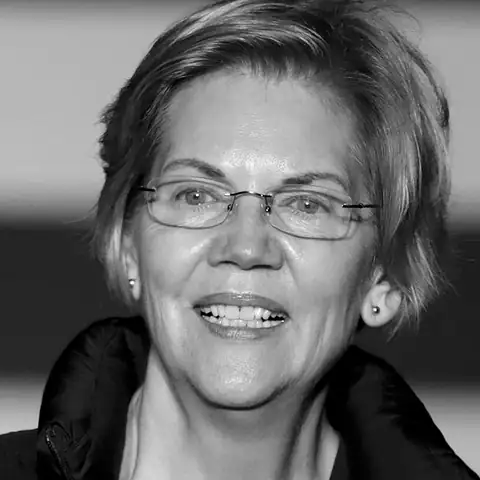 Elizabeth WarrenAgainst President Trump's 2025 tariffs on Canada and Mexico, she said manufacturing and jobs were unlikely to benefit, and that large companies got cover to raise prices.Source: banking.senate.gov
 Gavin NewsomIn April 2025 he sued to stop President Trump's tariffs, contending that the emergency powers law relied on does not authorise them.Source: azfamily.com
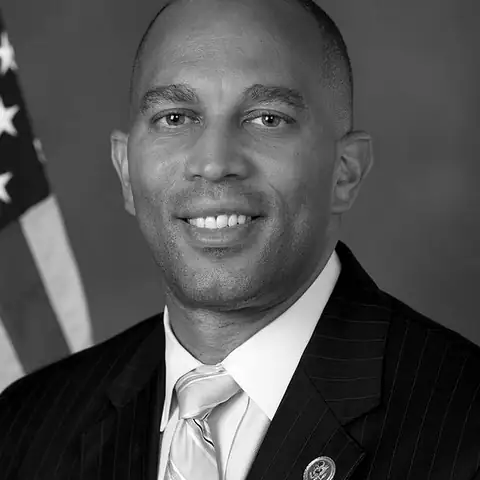 Hakeem JeffriesHis October 2026 pledges were to undo Medicaid cuts, keep the ACA tax credits going and bring tariffs to an end by having Congress take that authority back from President Trump.Source: democraticleader.house.gov
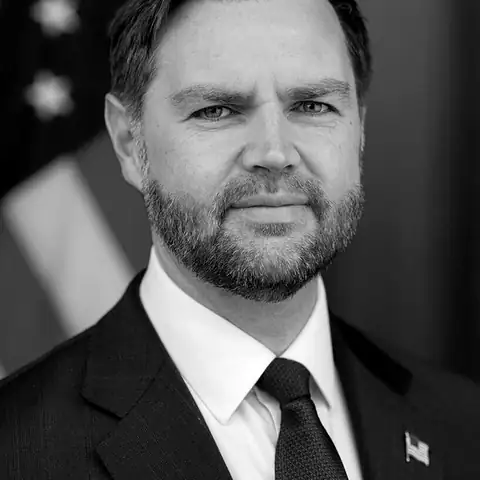 JD VanceWhen the Senate split evenly in April 2025, he broke the tie to defeat a resolution aimed at terminating the emergency that underlies the president's global tariffs.Source: business.inquirer.net
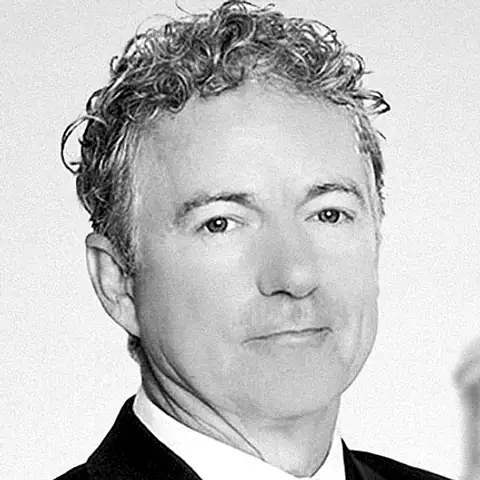 Rand PaulAlongside Democrat Tim Kaine he co-sponsored a resolution to terminate the emergency underlying tariffs on Canada, and in April 2025 the Senate passed it 51-48.Source: reason.com
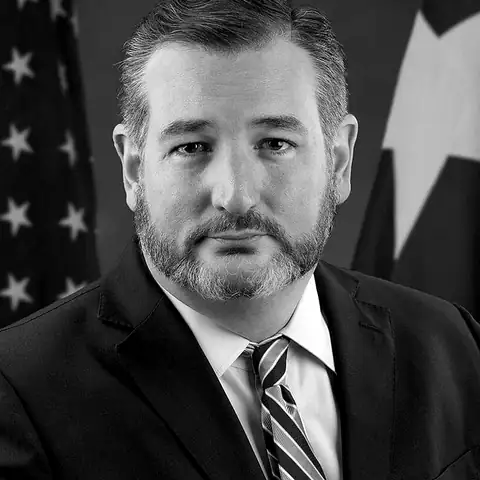 Ted CruzHe said in April 2025 that tariffs were not something he liked, since they tax consumers, and he hoped the new ones would be short-lived leverage for lowering tariffs worldwide.Source: yahoo.com
At each end of Trade
People whose overall profile leans furthest each way on the axis this issue moves most. A lean on the axis is not a stance on this exact issue.



More trade issues
Tariffs and protectionism: questions
What is a tariff?
A tariff is a tax charged on goods when they enter a country. It raises the price of imports so that locally made products become more competitive. The money goes to the government. Tariffs can also be used as a bargaining tool in trade disputes.
Do tariffs protect jobs?
They can protect jobs in the industry that is shielded, at least for a while. But they also raise costs for buyers, can trigger retaliation, and may harm jobs in other sectors. Economists differ on the net effect, which depends on the product and how other countries respond.
Is protectionism left or right wing?
Both sides have supported it. Nationalist conservatives like it for sovereignty and national pride, and some on the left like it for protecting workers. Free-market conservatives and liberal internationalists tend to oppose it. On the 12 Axes it moves the trade axis.