Free trade
Is free trade good for ordinary people?
Free trade means letting goods and services cross borders with few taxes or limits. Supporters say it lets each country focus on what it does best, lowers prices, widens choice and spreads technology. Critics say the gains are uneven. Some workers and towns lose their industries and never recover, while cheap imports can hide the cost, and large trade deals can limit what governments are allowed to do for their own people.
On the 12 Axes this issue is mainly about the trade axis. Favoring open borders for goods and joining large trade agreements points toward the Global pole, while wanting to shield domestic industries points toward the Protected pole. Free trade statements also lean a little toward the Free pole on markets, because open trade is a form of market freedom. The issue cuts across the usual left and right split. Business-minded conservatives and many centrists back open trade, but so do some progressives who stress global cooperation. Skepticism comes from both the nationalist right and the labor-focused left, who often agree on the problem even if they disagree on the cure.
What each side argues
Open trade
- Supporters argue that trade lowers prices and gives consumers more choice.
- Supporters say competition from abroad pushes firms to improve and spreads new technology and ideas.
- Supporters believe that trade ties between countries make conflict less likely and help poorer countries grow.
Managed trade
- Critics argue that open trade can wipe out local industries and leave workers in some regions without good options.
- Critics say large trade deals can limit what governments are allowed to regulate, from labor to the environment.
- Critics worry that depending on other countries for key goods leaves a nation exposed in a crisis.
4 statements on free trade
- Free trade between countries benefits most people in the long run.Agreeing moves you toward Global
- Countries should remove most barriers to trade with each other.Agreeing moves you toward Global
- Globalization has done more good than harm for ordinary people.Agreeing moves you toward Global
- Joining large free trade agreements is good for a country's economy.Agreeing moves you toward Global
What politicians have said and done
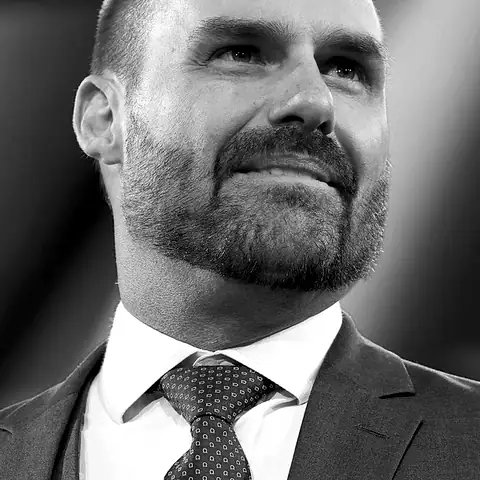 Eduardo BolsonaroSaid Flávio Bolsonaro would negotiate a free trade agreement with the United States "as equals", and suggested rare earths and manganese as bargaining chips.Source: gazetadopovo.com.br
 Geraldo AlckminIn January 2026 he welcomed the Mercosur-EU agreement as free trade 'but with rules' and hoped Congress would ratify it in the first half of the year.Source: jornaldebrasilia.com.br
 Romeu ZemaHis programme would take Brazil out of BRICS, join the OECD at once, make Mercosur a free-trade zone, end public-sector supersalaries and cut taxes on loans and companies.Source: dgabc.com.br
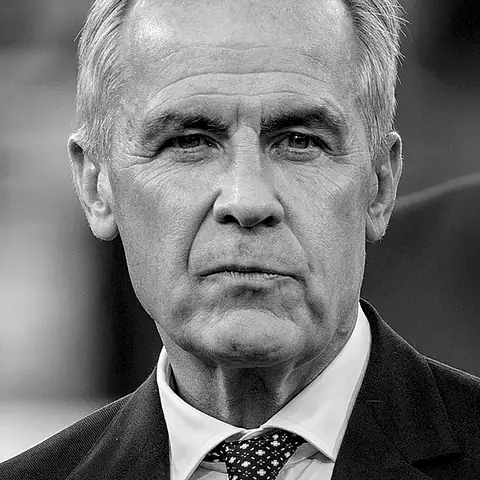 Mark CarneyHis government's One Canadian Economy Act passed the House of Commons in June 2025. It is intended to speed approval of major projects and to take away federal barriers to internal trade.Source: pm.gc.ca
 Friedrich MerzAs Chancellor he travelled first to Paris, in May 2025, and there pressed EU partners to ratify the EU-Mercosur trade agreement without delay. Its trade part took provisional effect on 1 May 2026.Source: batimes.com.ar
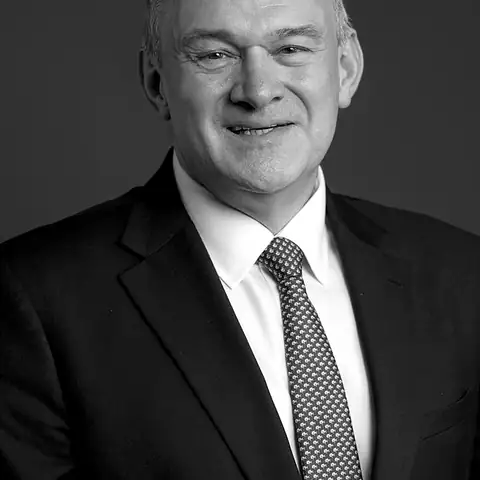 Ed DaveyHis aim is a Growth and Defence Partnership with the EU, which would mean joining a Customs Union as well as the Single Market.Source: libdems.org.uk
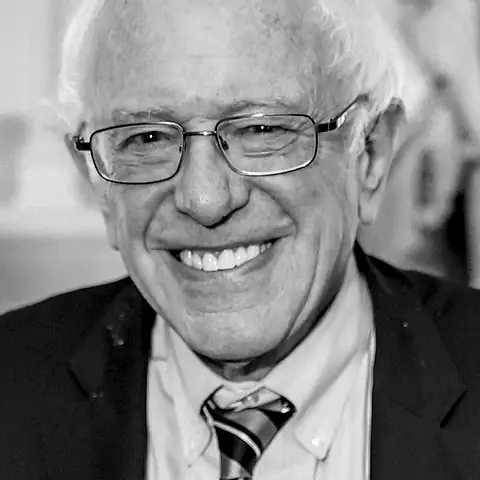 Bernie SandersHe spoke against the USMCA trade agreement on the Senate floor in January 2020 and cast a no vote.Source: sanders.senate.gov
At each end of Trade
People whose overall profile leans furthest each way on the axis this issue moves most. A lean on the axis is not a stance on this exact issue.


More trade issues
Free trade: questions
What is free trade?
Free trade is the exchange of goods and services between countries with few or no tariffs, quotas or other barriers. Supporters say it benefits consumers and efficient producers. Critics say it can hurt workers in industries that lose out to imports, and that its gains are not shared evenly.
Does free trade help or hurt workers?
It does both, depending on the worker. Cheaper goods and export jobs help many people, while industries that face foreign competition can lose jobs. Economists often agree the overall gains are positive, but argue about whether support for those who lose out is large enough.
Is free trade left or right wing?
It does not fit neatly. Business-friendly conservatives have long backed it, but so have many liberals and internationalists. Opposition comes from both labor-focused left wing groups and nationalist right wing groups. On the 12 Axes it moves the trade axis.