Strong leaders and democracy
Do results matter more than checks and balances?
Some people believe a country is governed best when a decisive leader can act without constant obstruction. Others believe checks and balances, such as courts, legislatures, a free press and a lively opposition, are the very thing that protect citizens from abuse. The disagreement is about speed against safeguards, and about how far an election win should give a leader a free hand.
On the 12 Axes this issue maps almost directly onto authority. Statements favoring strong, less constrained leadership point toward the strong leader end. Statements defending the opposition's right to criticize, and procedure over speed, point toward the democratic end. The issue cuts across left and right in a notable way. People on any side may become impatient with gridlock when their own goals are blocked, and then rediscover the value of checks when the other side wins. Frustration with slow institutions is common, which is why the appeal of decisive leaders appears across the spectrum.
What each side argues
Decisive leadership
- Supporters argue that strong leaders can break gridlock and deliver results that slow institutions cannot.
- Supporters say an election winner has a mandate and should not be endlessly blocked by opponents.
- Supporters believe that in hard times, clear authority gives people stability and direction.
Checks and balances
- Opponents argue that limits on power protect citizens from abuse, whoever is in charge.
- Opponents say a free opposition and a free press are essential for catching mistakes early.
- Opponents hold that slow procedures are a feature of democracy because they force debate and compromise.
4 statements on strong leaders and democracy
- The country would be better governed by a strong leader with fewer limits from courts and lawmakers.Agreeing moves you toward Strong leader
- A leader who wins an election should be able to govern without much interference from the opposition.Agreeing moves you toward Strong leader
- Opposition parties should be free to criticize the government at all times.Agreeing moves you toward Democratic
- Getting things done is more important than following slow democratic procedures.Agreeing moves you toward Strong leader
What politicians have said and done
 Jair BolsonaroOn 11 September 2025 the Supreme Court's First Panel convicted him 4 to 1 of an armed criminal organisation, attempted abolition of the democratic rule of law and a coup d'état, among other counts.Source: cnnbrasil.com.br
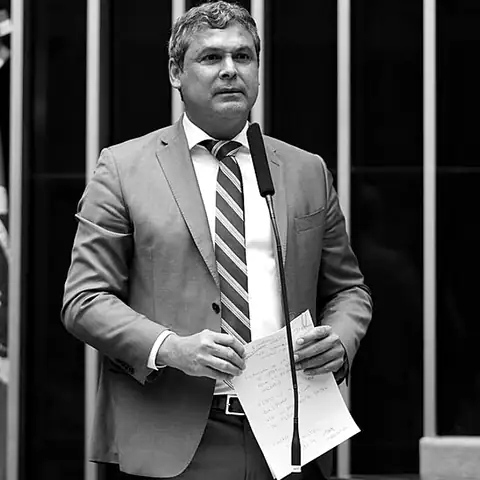 Lindbergh FariasAfter the Chamber approved the Dosimetria bill in December 2025, he said the decision put the House on the side of coup plotters and that his party had been surprised by the vote.Source: revistaoeste.com
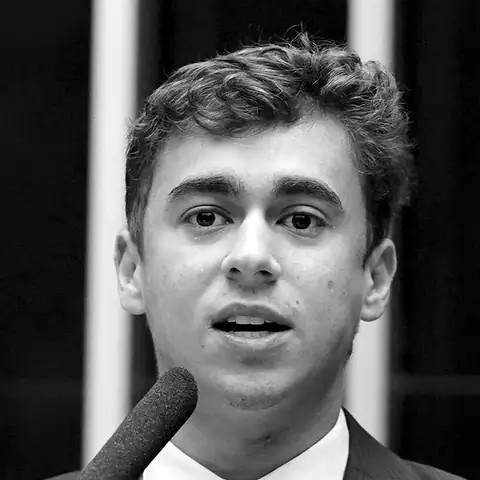 Nikolas FerreiraOn 26 October 2026 he said the chance of annulling the presidential election was practically nil and asked supporters not to protest in the streets.Source: midiamax.com.br
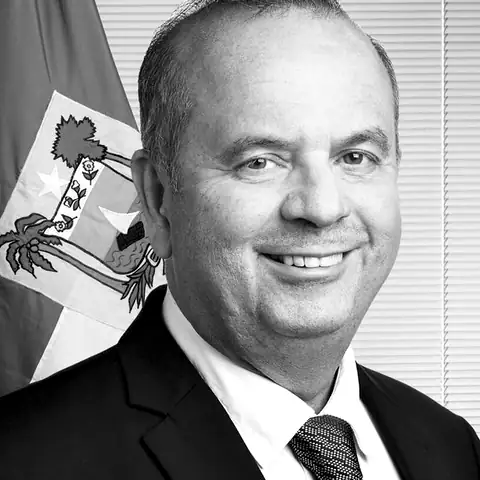 Rogério MarinhoOn the night of 25 October 2026 he stood beside Flávio Bolsonaro as the candidate said he could not recognise the runoff result and would seek its annulment, and he had earlier called Justice Cristiano Zanin's extension of voting shameful and untimely.Source: agorarn.com.br
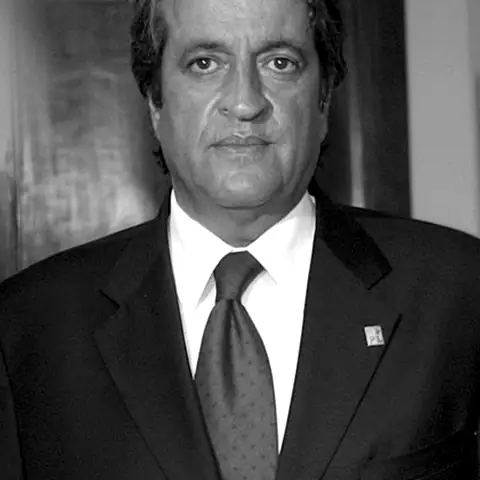 Valdemar Costa NetoIn the same remarks he said the election had counted but tied any further view to the armed forces' report on voting machines, and that the party had no plan to challenge the result in court.Source: moneytimes.com.br
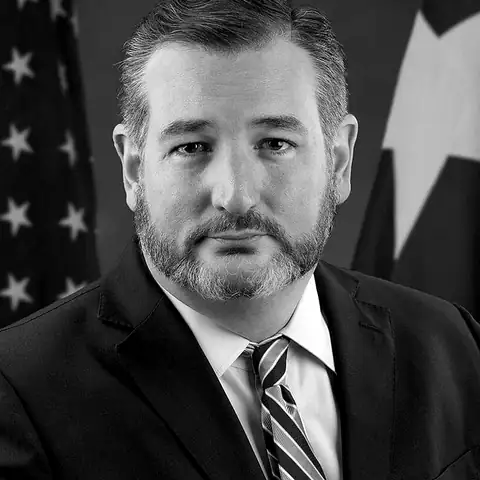 Ted CruzIn December 2020 he urged the Supreme Court to take up an emergency challenge to the presidential election results in Pennsylvania.Source: cbsnews.com
At each end of Authority
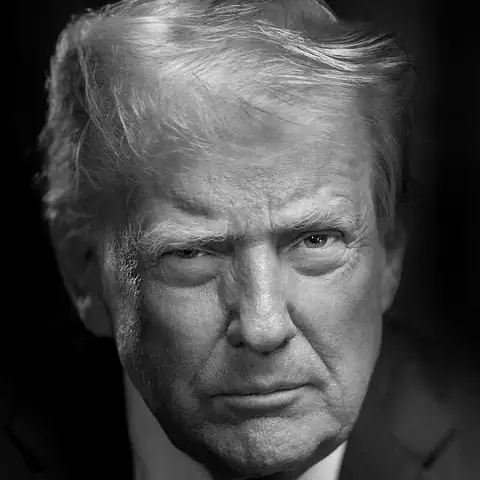
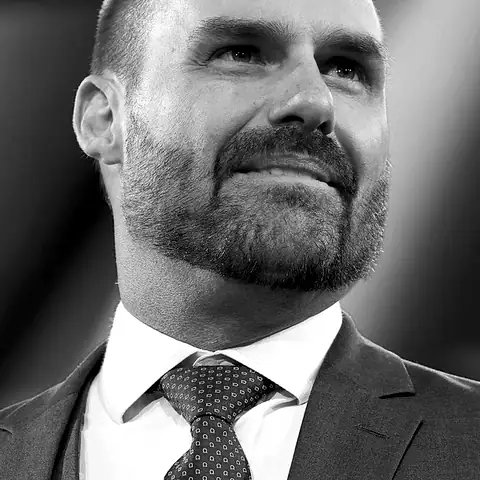
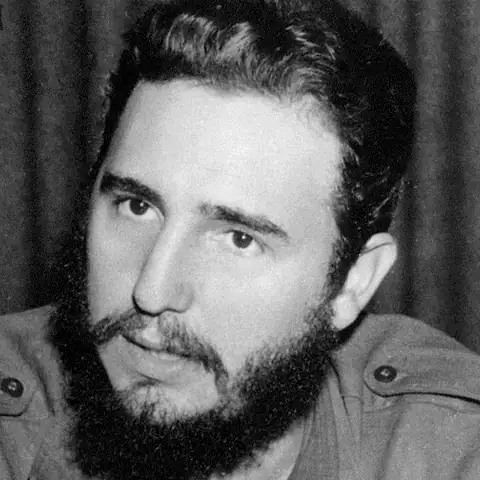
People whose overall profile leans furthest each way on the axis this issue moves most. A lean on the axis is not a stance on this exact issue.


More authority issues
Strong leaders and democracy: questions
What are checks and balances?
They are rules that spread power across institutions, such as courts, legislatures, a free press and independent agencies, so no single person or group can rule unchecked. Supporters see them as protection against abuse. Critics say they can slow decisions.
Is wanting a strong leader the same as wanting a dictator?
Not necessarily. Many people who want a decisive leader still want elections and some limits. The disagreement is about how much power to give, how long, and what safeguards remain. Critics fear the path from strong leader to unchecked ruler.
Why do strong leaders appeal to voters?
People often get frustrated by slow or gridlocked government, and a decisive figure promises action. The appeal tends to rise when people feel institutions are failing or distant. It appears across the political spectrum, not only on one side.