Protest rights
Should disruptive protest be allowed?
Protest is a core part of democratic life, but it can also be inconvenient. Blocked roads, occupied buildings and noisy marches interrupt people who had nothing to do with the cause. The question is how much disruption a free society should tolerate. One view says protest only works if it gets noticed, so some disruption is the price of a living democracy. The other view says rights end where they harm others, and that order and fairness to bystanders must come first.
On the 12 Axes this issue moves authority. Backing peaceful but disruptive protest points toward the democratic end, because it trusts citizens to pressure those in power. Preferring tight limits on disruption points toward the strong leader end, where public order and stable rule take priority. It also touches security through the liberty and order poles. The issue cuts across left and right, because each side has defended protest when its own causes were involved and called for tougher policing when the other side marched.
What each side argues
Protect protest
- Supporters argue that protest only works if it gets noticed, so some disruption is unavoidable.
- Supporters say the right to assemble is meaningless if it can be banned whenever it is inconvenient.
- Supporters point out that many past reforms began with protests that were seen as disruptive at the time.
Keep order
- Opponents argue that people should not lose a day's work or access to services because of someone else's cause.
- Opponents say clear limits on time and place let protest happen without harming the public.
- Opponents worry that tolerating disruption invites escalation and weakens respect for the law.
The statement on protest rights
- Peaceful protests should be allowed even when they disrupt traffic and daily life.Agreeing moves you toward Democratic
What politicians have said and done
 Viktor OrbánIn 2025 his majority passed a law making it possible to ban Pride marches.Source: streetinsider.com
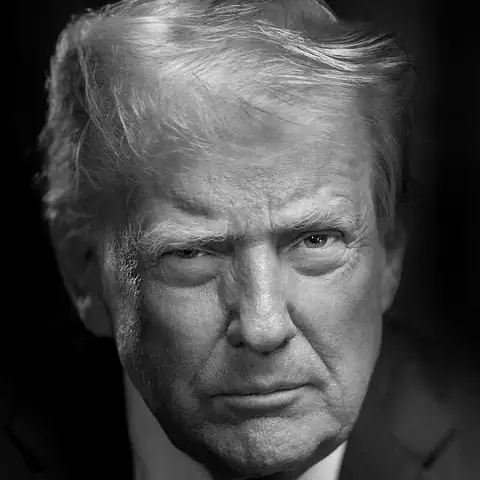
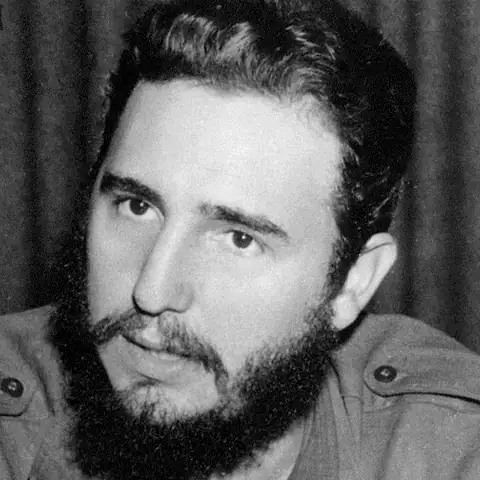
At each end of Authority
People whose overall profile leans furthest each way on the axis this issue moves most. A lean on the axis is not a stance on this exact issue.






More authority issues
Protest rights: questions
Is the right to protest unlimited?
No. Most legal systems protect peaceful assembly but allow limits for safety, public order and the rights of others. The argument is over how much inconvenience or disruption is acceptable before police or courts can step in.
What is the difference between peaceful and disruptive protest?
Peaceful protest involves no violence. Disruptive protest may still be peaceful but interferes with daily life, for example by blocking roads or occupying spaces. People disagree on whether the second kind should be protected, tolerated or restricted.
Is supporting protest a left wing position?
Not necessarily. People on both sides defend protest when they agree with the cause and want limits when they do not. A consistent view focuses on the principle: how much disruption a democracy should accept, whoever is protesting.