Federalism and devolution
Should power sit with regions or the centre?
Every country must decide how to divide power between a national government and regional or local ones. Supporters of devolution say decisions are best made close to the people affected, which allows local variety, experiments and more direct accountability. Supporters of a strong centre say national standards ensure equal treatment, make big problems easier to tackle and prevent a patchwork of conflicting rules.
On the 12 Axes, this issue moves structure. Backing regional lawmaking, local decisions and regional taxes points toward the local end. Backing national overrule, equal treatment and national solutions points toward the central end. The issue cuts across left and right in a few ways. Each side has favored local control when it holds power in the regions and national control when it holds power at the centre. Both sides can also argue on principle. Some on the left want national standards for fairness, while others want local action. Some on the right prize local autonomy, while others want a strong national state.
What each side argues
Devolve power
- Supporters argue that local people understand their own needs better than a distant government.
- Supporters say regions can try different policies and others can learn from what works.
- Supporters believe power spread across levels makes it harder for any one government to dominate.
Strong centre
- Opponents argue that a strong national government ensures all citizens are treated equally wherever they live.
- Opponents say big problems such as defense or the economy need a single, coordinated response.
- Opponents worry that varying rules across regions create confusion, inequality and unfair competition.
6 statements on federalism and devolution
- Regions should be able to set many of their own laws, even if rules then differ across the country.Agreeing moves you toward Local
- Decisions should be made at the most local level possible.Agreeing moves you toward Local
- The national government should be able to overrule regional governments when they disagree.Agreeing moves you toward Central
- Most taxes should be collected and spent by regional and local governments.Agreeing moves you toward Local
- A strong national government is needed to make sure all regions are treated equally.Agreeing moves you toward Central
- Big national problems are best solved by the national government, not by regions acting separately.Agreeing moves you toward Central
What politicians have said and done
 Markus SöderAlso in October 2026, he asked for the system that equalises finances among the states to be overhauled, and singled out Berlin as the main recipient.Source: zdfheute.de
- Andy BurnhamOpened No10 North in Manchester, a base for regional growth and devolution policy that hosts a restored National Economic Council alongside mayors.Source: gov.uk
- Narendra ModiHis government revoked Jammu and Kashmir's special constitutional status in 2019 and divided the state in two union territories.Source: indianexpress.com
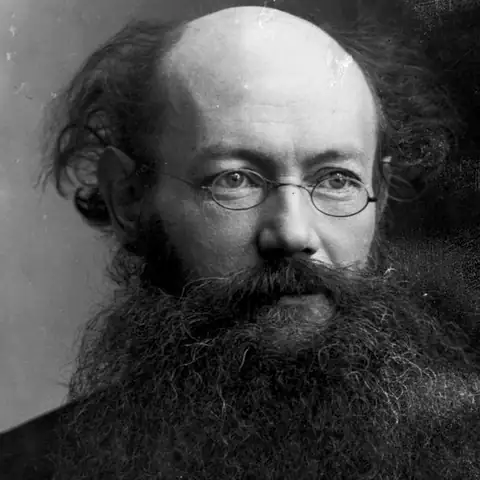
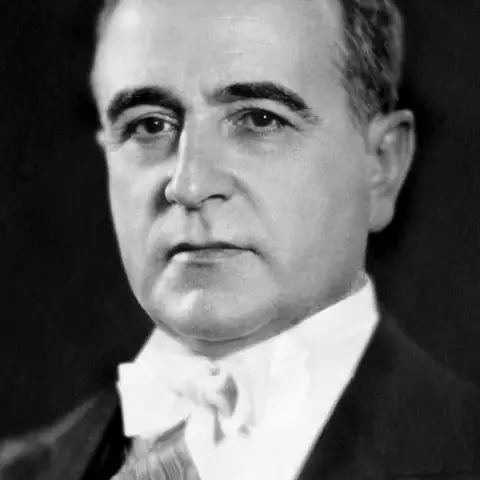
At each end of Structure
People whose overall profile leans furthest each way on the axis this issue moves most. A lean on the axis is not a stance on this exact issue.






More structure issues
Federalism and devolution: questions
What is federalism?
It is a system that splits power between a national government and regional governments, each with its own areas of authority. Devolution is a related idea where the central government hands some powers down to regions while keeping overall control.
What are the benefits of devolving power?
Supporters say it brings decisions closer to citizens, lets regions tailor policy to local needs, and allows experiments. Critics say it can create unequal services and conflicting rules. The balance depends on how powers are divided and funded.
Is federalism left or right wing?
It is neither. Each side has backed local control when it was strong in the regions and national power when it held the centre. Principled positions exist on both sides, so the best guide is what a person thinks about equality versus local choice.