12axes-testTake the test
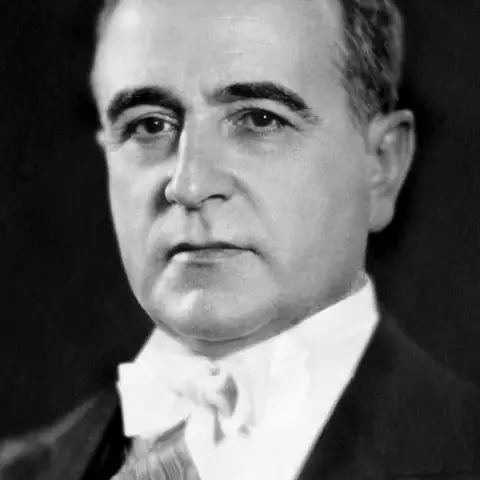
Getúlio Vargas
Historical figureBrazil1882-1954

Getúlio Vargas

President of Brazil (1930-1945, 1951-1954) · Head of the Estado Novo regime (1937-1945)

Brazilian president who ruled from 1930 to 1945 and again from 1951 to 1954, creating a labor code and state industries while running the authoritarian Estado Novo.

Profile on 12 axesAll 12 documented
ECONOMYSTATESOCIETYWORLDOwnershipMarketsWelfareAuthoritySecurityStructureMoralityReligionTechnologyCultureTradeForeign
Where they stood

Getúlio Vargas, axis by axis

  1. PublicPrivate
  2. PlannedFree
  3. SharedSelf-reliant

    His worker and pension laws went far for their day, but they reached mostly city workers with formal jobs and largely left out farm labor.

  4. DemocraticStrong leader

    The score rests mainly on the Estado Novo dictatorship of 1937-1945. He later won the 1950 election and served under the 1946 Constitution.

  5. LibertyOrder
  6. LocalCentral
  7. ProgressiveTraditional
  8. SecularReligious
  9. EmbraceCaution

    Drawn from his drive for state-run steel, mining and oil, since nothing supports a view on newer technology.

  10. MulticulturalNational identity

    This reflects the Estado Novo campaign to make life more national, which curbed schools and newspapers in foreign languages, and the immigration quotas of the 1930s.

  11. GlobalProtected
  12. CooperationStrength

    In the 1930s he played the US and Germany against each other, then joined the Allies in 1942, so no strong position is assigned.

Who was Getúlio Vargas?

Getúlio Vargas was a lawyer from Rio Grande do Sul. An armed revolt in 1930 brought him to power and ended the First Republic. After a provisional government, Congress elected him president under the 1934 Constitution. In November 1937 he shut Congress and declared the Estado Novo, a dictatorship with a new constitution, press censorship and governors chosen by him. The army forced him out in 1945. Voters brought him back in 1951. In his second term he promoted economic nationalism, raised the minimum wage and founded Petrobras, against fierce attacks from the UDN party and some officers. He killed himself in office in August 1954.

Political views

  • He created a labor ministry and gathered the rules into the 1943 labor code (CLT), which also covered a minimum wage.Source: planalto.gov.br
  • His 1937 Constitution put power in the president's hands and ended normal party and legislative life.Source: planalto.gov.br
  • Press censorship ran through the DIP, the propaganda department, and police hunted communists, integralists and other rivals.Source: www18.fgv.br
  • He drove industry led by the state, with a national steelworks, and in 1953 signed the law founding the oil company Petrobras.Source: planalto.gov.br
  • Elected state governments were replaced by appointees from the federal government, and he favored a single national identity over regional ones.Source: www18.fgv.br
  • Unions were organized under state oversight, in a corporatist model that bound together workers, employers and the government.Source: en.wikipedia.org

Legacy

Vargas is still one of the most argued-over figures in Brazil. Admirers credit him with creating modern worker protections, social security, national industry and a stronger sense of one country. The labor tradition he inspired shaped parties like the PTB and, later, the PDT. Critics reply that the Estado Novo was a dictatorship that shut Congress, censored the press, jailed and tortured opponents and put unions under state control. Historians also question how far his reforms reached farm workers. His suicide letter blamed national and foreign interests for his fall and made him a symbol for the labor movement. Liberal opponents saw it as one last act of personal politics.

In their own words

“Serenely, I take the first step on the road to eternity and leave life to enter history.”
Carta-testamento (suicide letter), August 1954, translated from Portuguese

How close are you to Getúlio Vargas?

Take the 12 Axes test and see which historical figure is your political twin, axis by axis.

Take the test

Getúlio Vargas: questions

Did Vargas rule as a dictator?

He did from 1937 to 1945, under the Estado Novo, which closed Congress, censored the press and jailed opponents. He later won a free election in 1950 and held office again until 1954.

Why is Vargas called the father of the poor?

His governments brought in a minimum wage, a labor ministry and the 1943 labor code, and many workers saw him as their protector. Critics note that unions stayed under state control and that farm workers were mostly left out.

Where did Vargas sit on the left-right line?

It is hard to say. State-led economics and worker protections came together with authoritarian rule and nationalism, and he got on well with conservative and Catholic bodies.

Sources