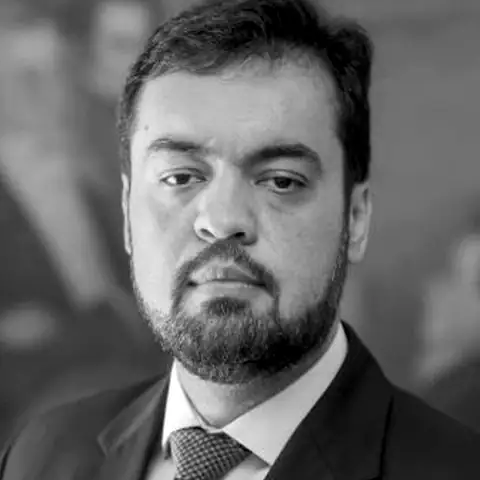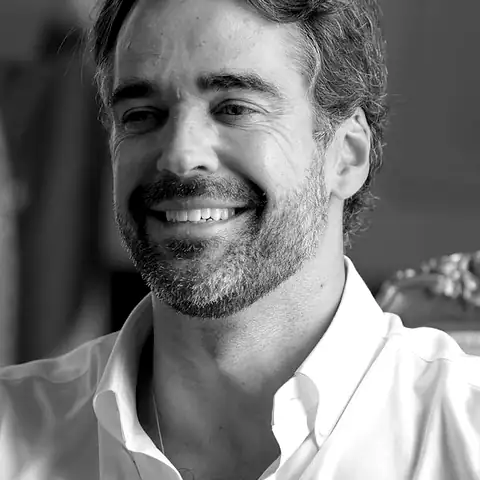
Who is Eduardo Leite?
Eduardo Leite was born in 1985 in Pelotas and led that city before winning the state governorship in 2018. He was re-elected in 2022. A former national president of the PSDB, he left that party and joined the PSD in May 2025, hoping for its presidential nomination. The PSD chose Ronaldo Caiado instead, and on 1 April 2026 Leite said he would stay in the PSD and not run for any office in October. His term as governor runs until early January 2027.
Previously: Governor of Rio Grande do Sul (2019-2022) · National president of the PSDB (January to November 2023) · Mayor of Pelotas · Joined the PSD in May 2025 after leaving the PSDB
Documented positions
- The state assembly approved the privatisation of CEEE, CRM and Sulgás in July 2019 by 40 votes to 14, and Leite called it a starting point.Source: estado.rs.gov.br
- He signed the sale of the water utility Corsan to the Aegea group in July 2023 for R$ 4.151 billion, and said the state would act as regulator.Source: estado.rs.gov.br
- On 30 March 2026 his government put privatisations and concessions in execution at about R$ 46.1 billion and announced about R$ 20.7 billion in new partnerships, including roads and a school PPP.Source: estado.rs.gov.br
- In August 2025 he argued that the state should regulate and oversee rather than run every project, and said the investment rate rose from 2.5 to 10 percent.Source: estado.rs.gov.br
- In May 2025 he said he wanted a centrist alternative to polarisation, that unpopular reforms would be needed for the federal fiscal imbalance, and that he would step aside for Tarcísio de Freitas if Tarcísio ran.Source: infomoney.com.br
- After the PSD launched Caiado, he said the choice would keep radicalised polarisation, then softened his tone, congratulated Caiado and stayed in the party.Source: folhape.com.br
- In May 2020 he introduced a colour-flag regional model of Covid distancing, with different restrictions for each of the state's 20 regions.Source: jornaldocomercio.com
Record
His governments pursued state-company sales and concessions, which the state says free up investment: Corsan alone is slated for more than R$ 15 billion over ten years. He declared a public calamity in May 2024 during the state's largest recorded floods. Supporters credit him with fiscal restructuring and with attracting private investment. Critics, including teachers' unions, opposed his 2019 and 2020 austerity and education measures.
In their words
“Quando o Estado realiza uma privatização, isso não deve ser visto apenas pelo recurso arrecadado”