Energy and fossil fuels
Who should run energy, and on what fuel?
The energy debate has two parts. The first is who should own and run it. Some argue that competing private companies deliver lower prices and better service. Others argue that energy and natural resources are too important to leave to profit seekers, and should belong to the public. The second is what fuel to use, including whether nuclear power should supply a large share of the grid. These choices affect bills, jobs, climate goals and national security.
On the 12 Axes, the ownership statements move that axis. Private competition pulls toward Private, and public ownership of resources pulls toward Public. The nuclear statement moves the technology axis, with support pulling toward Embrace. The issue cuts across the usual left and right split. Some conservatives favor public control of resources for national security. Some on the left favor nuclear power, and some on the right oppose it because of its cost. Fossil fuel regions often resist change regardless of their politics.
What each side argues
Private competition
- Supporters say competition between private firms lowers prices and drives innovation.
- Supporters argue that private capital can fund large projects without using taxpayer money.
- Supporters believe markets adapt faster to new fuels and technology than state planners.
Public ownership
- Opponents say energy is an essential service and should serve the public rather than shareholders.
- Opponents argue that natural resources belong to everyone and their income should benefit all citizens.
- Opponents believe public control allows long term planning for security and climate goals.
3 statements on energy and fossil fuels
- Energy companies should be privately owned and compete for customers.Agreeing moves you toward Private
- Nuclear power should be a major part of the country's energy supply.Agreeing moves you toward Embrace
- Natural resources such as oil, gas and minerals should be owned by the public.Agreeing moves you toward Public
What politicians have said and done
 David ShoebridgeAlongside his deputy, wants no more coal or gas projects, and has said the aim of the Greens is to supplant Labor, not to reform it.Source: reneweconomy.com.au
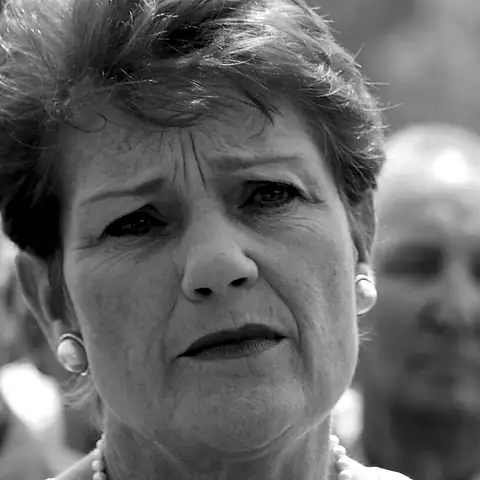 Pauline HansonShe is against net zero and in favour of coal, gas and nuclear power.Source: onenation.org.au
 Marina SilvaIn August 2023 she defended Ibama's refusal of Petrobras drilling near the Amazon river mouth, saying the agency 'does not give political licences, it gives technical licences'.Source: itatiaia.com.br
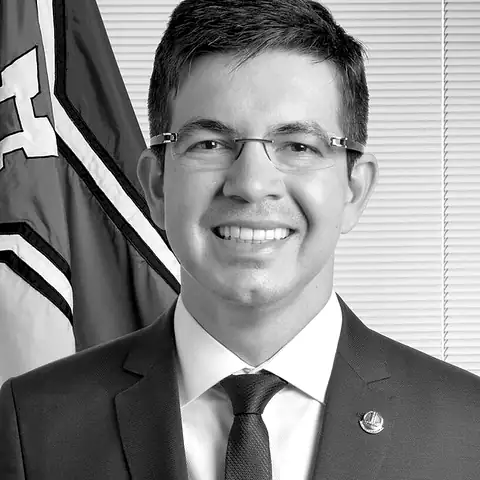 Randolfe RodriguesHe welcomed Ibama's October 2025 approval of exploratory drilling in the Equatorial Margin as a historic day for Amapá and the energy transition.Source: congressoemfoco.com.br
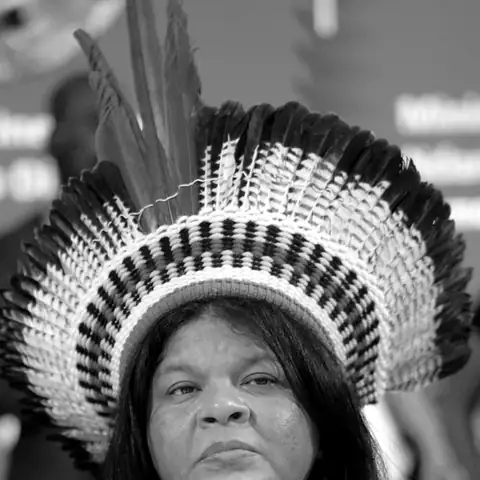 Sônia GuajajaraIn December 2023 she said Indigenous peoples' concern about oil and gas exploration in the Amazon basin was logical, and that they would keep resisting exploration within their territories.Source: poder360.com.br
 Avi LewisUnder his Green New Deal, Ottawa would refuse fresh federal approvals for pipelines and for LNG terminals or offshore oil, while 2 percent of GDP went to climate action.Source: lewisisleader.ca
 Pierre PoilievreHis campaign promised to cancel the federal carbon tax, build more pipelines and repeal the ban on oil tankers off northern British Columbia.Source: globalnews.ca
 Felix BanaszakIn August 2026 he argued that the energy transition does not cause high electricity prices, and he proposed converting empty offices into housing.Source: zdfheute.de
- Andy BurnhamUnveiled plans for taking VAT off household electricity bills and for a state-owned Great British Grid, to sit inside Great British Energy.Source: labour.org.uk
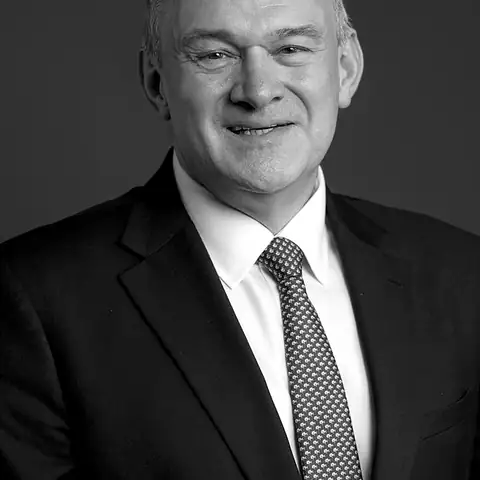 Ed DaveyHe backs growth in renewables and battery storage, plus an Energy Security Bank with state backing that would lend money for insulation and heat pumps.Source: libdems.org.uk
 Kemi BadenochHer plans would end the carbon tax, lift the prohibition on issuing new North Sea oil and gas licences, and do away with the Climate Change Act.Source: conservatives.com
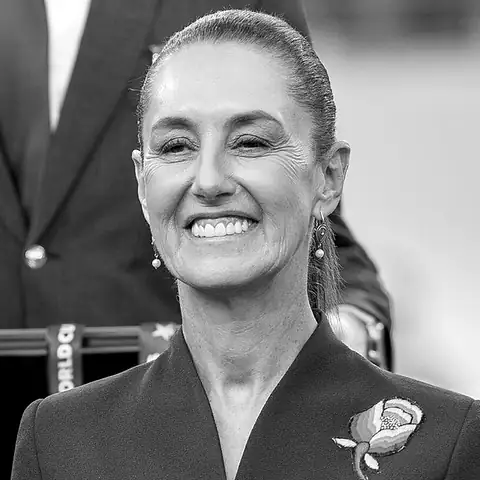 Claudia SheinbaumUnder her energy reform Pemex and the CFE became state-owned public companies, and the state is to keep a minimum 54 percent share of electricity generation.Source: dwfgroup.com
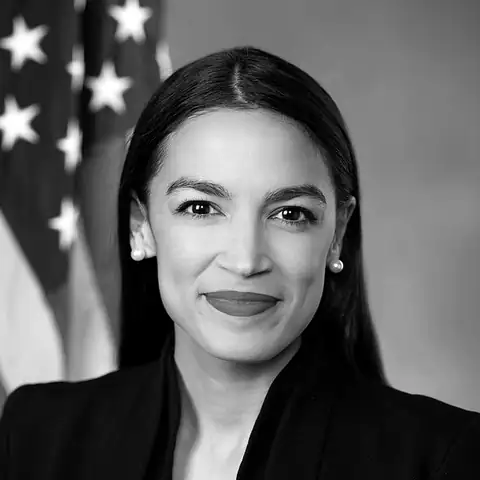 Alexandria Ocasio-CortezAlongside Senator Ed Markey she wrote the Green New Deal resolution. Its April 2021 reintroduction set a net-zero emissions goal and called for moving off fossil fuels.Source: cbsnews.com
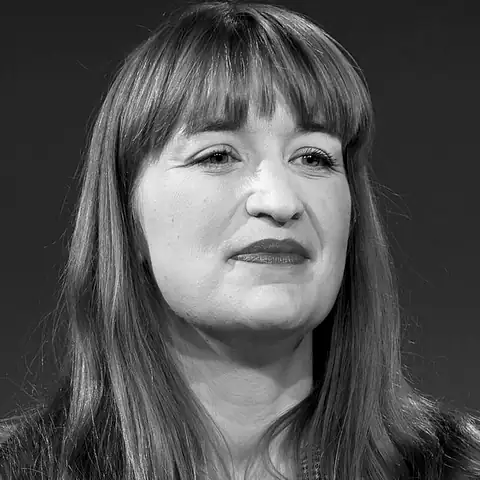
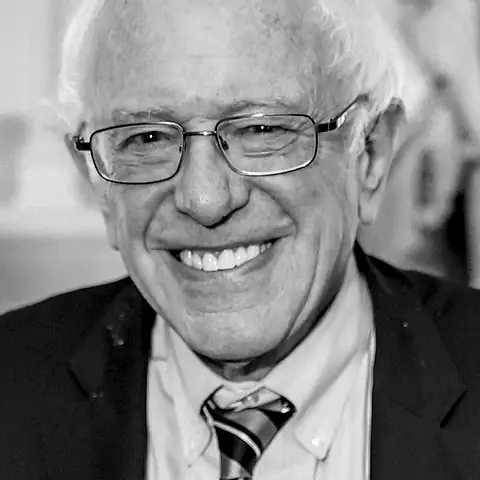
At each end of Ownership
People whose overall profile leans furthest each way on the axis this issue moves most. A lean on the axis is not a stance on this exact issue.





More ownership issues
Energy and fossil fuels: questions
Should energy companies be public or private?
Supporters of private ownership say competition lowers prices and spurs innovation. Supporters of public ownership say energy is essential and should be run for the public good, with long term planning. Many countries use a mix, with private firms operating under public rules or public control of the grid.
Who should own natural resources like oil, gas and minerals?
Some argue that resources belong to the whole nation and public ownership returns their income to citizens. Others argue private firms invest and manage them more efficiently when they can hold the rights. Many systems combine public ownership of the resource with private companies that extract it.
Is energy policy left or right wing?
Left leaning views often favor public ownership and fast climate action, while right leaning views often favor private markets and a mix of fuels including fossil fuels and nuclear. But exceptions are common. Resource regions and security concerns can push politicians of any party toward public control or support for particular fuels.