Public transport and railways
Should railways be public?
Transport policy asks who should run the networks that move people, especially railways and local services. Supporters of public ownership say trains and buses are essential services that should be planned for the whole country, not for profit. Supporters of private operation say competition and commercial discipline improve service, cut costs and bring in investment. A newer question is how fast to adopt self driving cars, and whether they will improve road safety and access.
On the 12 Axes, the first two statements move the ownership axis. Public railways pull toward Public. Competition among private operators pulls toward Private. The self driving statement moves the technology axis, with support pulling toward Embrace. The issue cuts across the usual left and right split. Rural voters of all parties often want to protect services that private firms might drop. Some on the right back public rail for national connection, while some on the left like new technology that may reduce traffic deaths.
What each side argues
Run it publicly
- Supporters say railways are a public service and should be planned for everyone, not just profitable routes.
- Supporters argue that public control avoids paying profits to shareholders and allows long term investment.
- Supporters believe integrated networks with simple fares are easier to run under one public body.
Let firms compete
- Opponents say competition gives operators a reason to improve service and cut waste.
- Opponents argue that private firms bring investment that taxpayers would otherwise have to provide.
- Opponents believe government run services can become costly and slow to change.
3 statements on public transport and railways
- Railways should be owned and run by the government.Agreeing moves you toward Public
- Public transport works better when private companies compete to run it.Agreeing moves you toward Private
- Self-driving cars should be allowed on public roads once they are safer than human drivers.Agreeing moves you toward Embrace
What politicians have said and done
 Guilherme BoulosUnder the 2024 mayoral programme he ran on, fare-free buses would be introduced step by step and bus operator contracts reviewed.Source: istoedinheiro.com.br
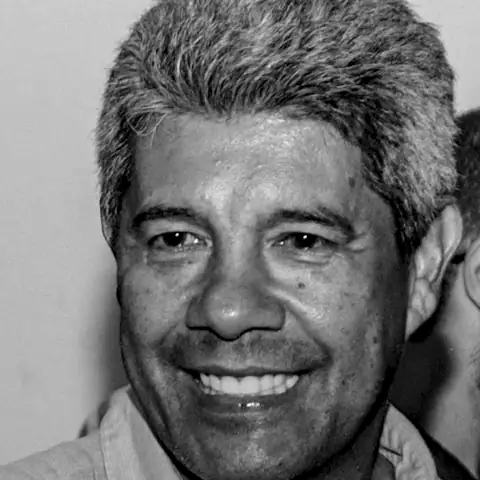 Jerônimo RodriguesIt plans industry in the interior, an energy transition, the Salvador-Itaparica bridge, the VLT light rail, work on the FIOL railway and regionalised public health care.Source: cnnbrasil.com.br
- Jerônimo RodriguesThe bridge is a 12.4 km public-private partnership of about R$ 11 billion, with completion projected for 2031 in the schedule given to the state audit court.Source: agenciainfra.com
- Jerônimo RodriguesHe now says he will press the federal government to expand the FIOL railway and the Porto-Sul complex, projects first proposed by Jaques Wagner in 2010.Source: correio24horas.com.br
 João CamposWants Pernambuco to have a bigger role in the Transnordestina railway concession model and sees the Manaus Free Trade Zone as a growing competitor.Source: diariodepernambuco.com.br
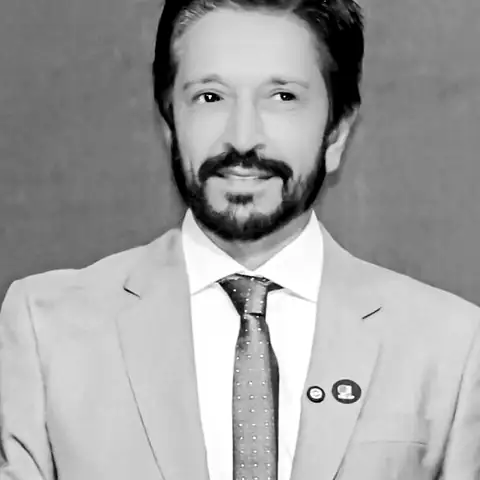 Ricardo NunesFrom 6 January 2025 the bus fare rose from R$ 4.40 to R$ 5, with R$ 6.5 billion budgeted in subsidies for bus companies, while Sunday fares are free.Source: revistaoeste.com
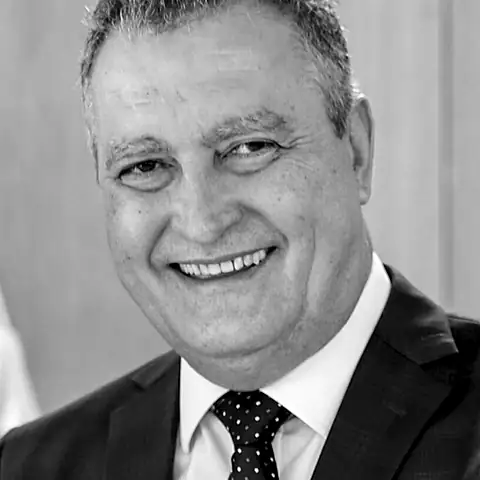 Rui CostaOn his last day at the Casa Civil he joined Lula to announce funds for Salvador's metro and VLT.Source: folhape.com.br
 Tarcísio de FreitasMetro expansion, the Santos-Guarujá tunnel and an intercity train linking São Paulo and Campinas are the priorities he lists for a second term.Source: correiodamanha.com.br
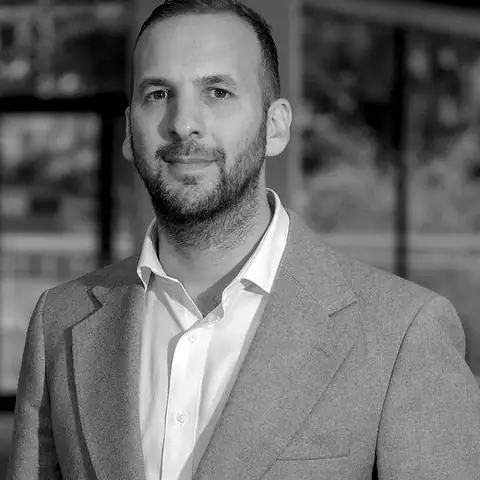 Zack PolanskiBuses should return to public control and be free for people under 22, he says.Source: greenparty.org.uk
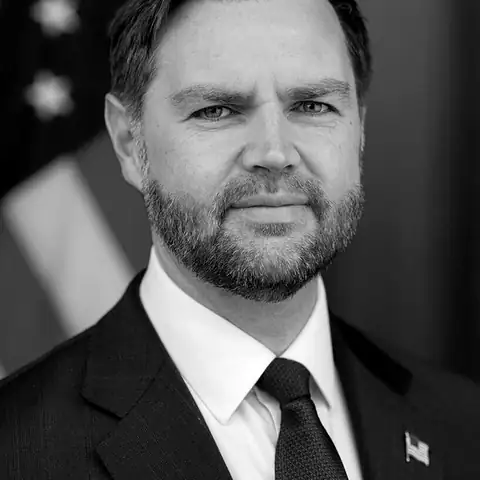 JD VanceOhio Democrat Sherrod Brown and he co-sponsored the Railway Safety Act of 2023, a bipartisan bill introduced following the derailment of a train in East Palestine.Source: govinfo.gov
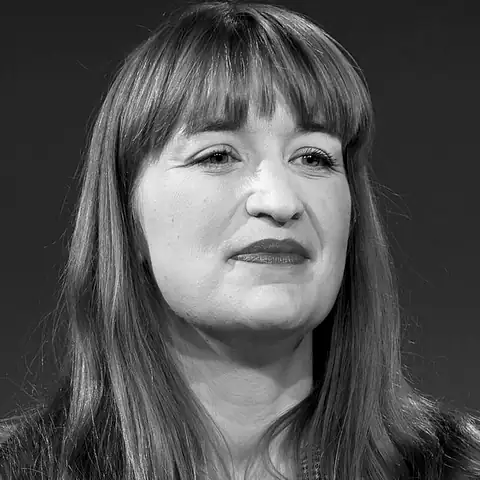
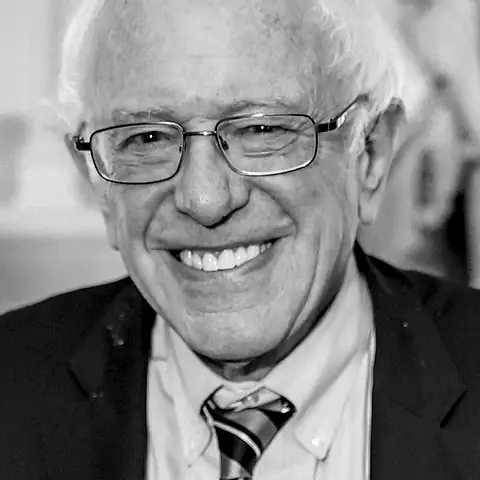
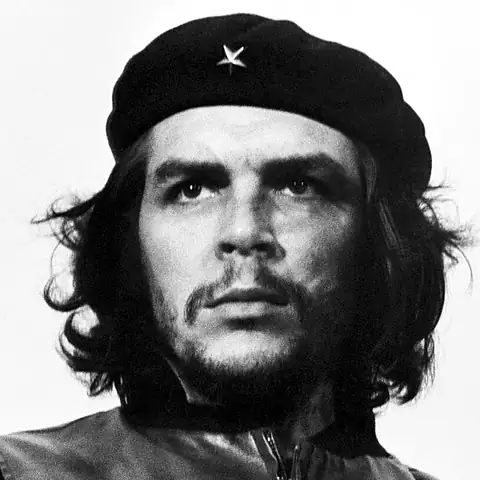
At each end of Ownership
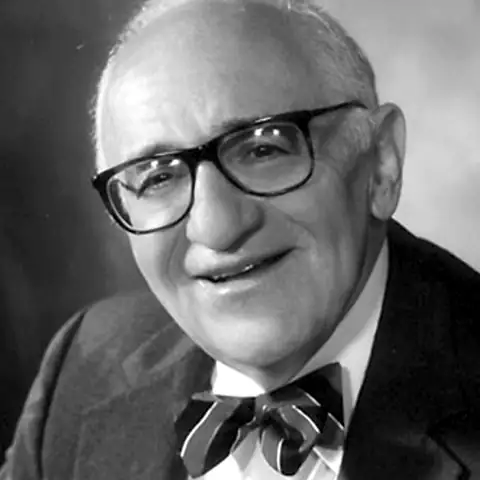
People whose overall profile leans furthest each way on the axis this issue moves most. A lean on the axis is not a stance on this exact issue.

More ownership issues
Public transport and railways: questions
Should railways be publicly owned?
Supporters say a public network allows national planning, unified fares and service on less profitable routes. Critics say private operators bring efficiency, investment and customer focus. Many countries use hybrids, such as public tracks with private train operators, or public companies working under commercial targets.
Does privatizing public transport improve it?
Results depend on the design. Supporters point to better service and lower cost when competition is real and rules are clear. Critics point to higher fares, fragmented services and public subsidies that continue anyway. Evidence varies by country and by how contracts are written and enforced.
Should self driving cars be allowed on public roads?
Supporters say they could cut accidents caused by human error and help people who cannot drive. Critics worry about safety, liability and job losses. The usual compromise is to allow them step by step once testing shows they are at least as safe as human drivers.