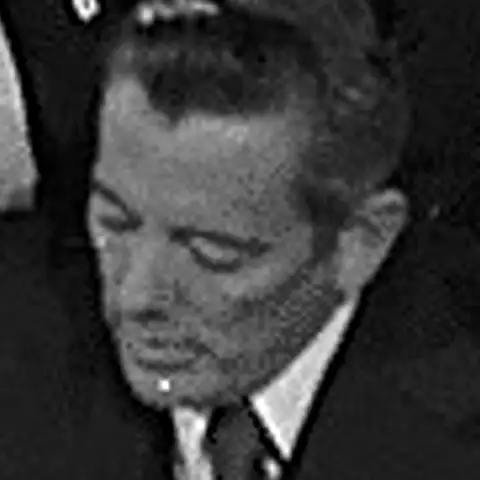
Who was Omar Torrijos?
Torrijos was born in 1929 in Santiago de Veraguas and made his career in the National Guard. In 1968 he helped overthrow the elected president Arnulfo Arias and went on to rule Panama as commander of the Guard, first as chief of staff and then as the country's de facto leader. At home he built a base among workers, small farmers and students, while banning parties and controlling the legislature. Abroad he made the canal his cause. After years of pressure he reached treaties with the United States under President Jimmy Carter in 1977. He died in a plane crash near Penonomé in 1981.
Political views
- In 1968 he took power in a coup that ousted the civilian president Arnulfo Arias, a year after Panamanians rejected a set of canal treaties.Source: encyclopedia.com
- He banned political parties and dissolved the legislature, then in 1972 replaced it with an assembly of 505 mostly government-chosen members.Source: countrystudies.us
- He gave peasants plots of land, changed the labor laws and offered the middle class public jobs, housing and welfare services.Source: ebsco.com
- His government crushed a guerrilla movement in western Panama, and many opponents were exiled or killed.Source: ebsco.com
- He pressed Panama's claim to the Canal Zone, and the 1977 treaties set full Panamanian control of the canal for the year 2000.Source: countrystudies.us
- To help the treaties pass the United States Senate, he promised to restore civilian rule, and in 1978 he allowed exiles to return and parties to re-emerge.Source: countrystudies.us
- He founded the Democratic Revolutionary Party (PRD) in 1978 and appointed the civilian Aristides Royo as president while keeping control himself.Source: ebsco.com
Legacy
Admirers see Torrijos as the leader who made the canal a Panamanian cause and won its return, and who gave workers, peasants and the poor a place in national life that earlier elites had denied them. Critics point to a military dictatorship that banned parties, dissolved the legislature and censored the press. The record also reports that opponents were exiled, killed, or died in penal colonies. Some on the left felt he sold out to capitalists, while others called him a Marxist friend of Fidel Castro. His influence outlived him, and both soldiers and civilians later claimed the label of Torrijismo.