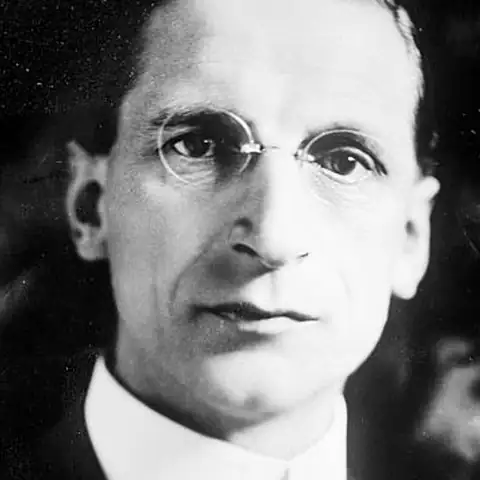
Who was Éamon de Valera?
De Valera was born in 1882 in the United States and grew up in Ireland. He fought in the 1916 Easter Rising, and a death sentence was commuted partly because of his American birth. He denounced the Anglo-Irish Treaty of 1921-22 as a betrayal of the republic and led the republican side in the civil war. In 1926 he founded Fianna Fáil, which entered the Dáil in 1927 and won power in 1932. His government sponsored the 1937 constitution, which came into force that December, and kept Ireland neutral in the Second World War. He was elected President of Ireland in 1959 and again in 1966, retired in 1973 and died in 1975.
Political views
- He called the Anglo-Irish Treaty 'a betrayal of the republic', and he opposed it largely because it required an oath of allegiance to Britain.Source: encyclopedia.com
- After the civil war he led the republican opposition, then founded Fianna Fáil in 1926, and the party entered the Dáil the next year and won the 1932 election.Source: encyclopedia.com
- In 1932 he stopped paying land-purchase annuities to Britain, which led to an economic war. He sought greater economic self-sufficiency and extended social services.Source: encyclopedia.com
- The 1937 constitution was approved in a referendum in July 1937 and came into force on 29 December 1937.Source: irishtimes.com
- Article 44 gave the Catholic Church a 'special position' while also recognising the Church of Ireland, other Protestant churches and the Jewish congregation.Source: irishtimes.com
- The 1937 constitution contained a ban on divorce and claimed the whole island in Articles 2 and 3, both later deleted.Source: irishtimes.com
- He kept Ireland neutral throughout the Second World War, a policy that drew overwhelming popular support.Source: encyclopedia.com
Legacy
Admirers credit de Valera with building a self-governing state with a democratic constitution that has lasted, keeping it neutral in the Second World War and helping make republican politics peaceful after the civil war. Critics note that the same constitution bound Irish law to a Catholic view of the family, including the divorce ban, and that the claim to the whole island worsened relations with Unionists and reinforced partition. His economic war with Britain and the push for self-sufficiency were costly. Some argue that his role in the civil war divided Irish politics for a generation. Others say he helped end it by moving his movement into parliament.