12axes-testTake the test
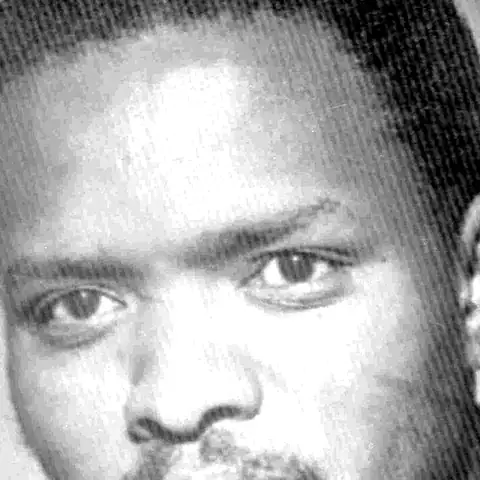
Steve Biko
Historical figureSouth Africa1946-1977

Steve Biko

Founder and first president of the South African Students' Organisation (SASO) · Leader of the Black Consciousness Movement

South African anti-apartheid activist who founded the Black Consciousness Movement, urging Black people to free themselves psychologically and organize on their own, and who died in police custody in 1977.

Profile on 12 axes6 of 12 documented
ECONOMYSTATESOCIETYWORLDOwnershipMarketsWelfareAuthoritySecurityStructureMoralityReligionTechnologyCultureTradeForeign
Where they stood

Steve Biko, axis by axis

  1. 01OwnershipNo clear record
    PublicPrivate
  2. 02MarketsNo clear record
    PlannedFree
  3. SharedSelf-reliant

    He stressed Black self-reliance and ran community projects such as a clinic, not a state welfare program. Near the middle.

  4. DemocraticStrong leader
  5. LibertyOrder

    He rejected armed struggle as policy for his organizations and sought unity among the main movements.

  6. LocalCentral

    He criticized the homeland (Bantustan) policy and favored community-led programs.

  7. 07MoralityNo clear record
    ProgressiveTraditional
  8. 08ReligionNo clear record
    SecularReligious
  9. 09TechnologyNo clear record
    EmbraceCaution
  10. MulticulturalNational identity

    Black Consciousness built pride in Black identity and used 'Black' to include Indian and Coloured people. Slightly multicultural.

  11. 11TradeNo clear record
    GlobalProtected
  12. CooperationStrength

    He sought unity among the ANC, PAC and other movements. Cooperation in this sense is domestic.

6 axes have no clear record, so matching leaves them out.

Who was Steve Biko?

Steve Biko was born in 1946 in the Eastern Cape and studied medicine at the University of Natal's Black section, where he entered student politics. In 1969 he helped found the South African Students' Organisation and became its first president, after a break with the white-led student union. His Black Consciousness philosophy urged Black people to take pride in themselves and lead their own liberation. The government banned him in 1973 and detained him several times. After his arrest in August 1977 he was beaten by security police and died in custody on 12 September 1977, aged 30.

Political views

  • Argued that Black people needed psychological liberation and pride, and that self-reliance was central to resisting oppression.Source: sahistory.org.za
  • Walked out of the 1967 NUSAS conference at Rhodes University after Black students were housed separately, leading to the founding of SASO in 1969.Source: sahistory.org.za
  • Criticized white liberals who spoke for Black people while still benefiting from apartheid. His target was white supremacy, not white people as such.Source: sahistory.org.za
  • Used the word Black as an inclusive political category covering Indian and Coloured communities as well as Africans.Source: sahistory.org.za
  • Kept SASO above ground and rejected armed struggle as organizational policy, while seeking unity among the ANC, PAC and other movements.Source: sahistory.org.za
  • Ran Black Community Programmes and helped open the Zanempilo Clinic in January 1975.Source: sahistory.org.za
  • Criticized the homeland (Bantustan) policy, and his philosophy found most support among secondary-school students.Source: sahistory.org.za

Legacy

Admirers see Biko as the spark that restored Black pride and political confidence, and Nelson Mandela described him as the spark that lit a veld fire. Critics from rival traditions note that his unity project never fully came together and that the Congress movement later led the struggle. The state's treatment of him is documented plainly. He was banned in 1973, detained without charge, held in solitary confinement, and beaten and kept shackled and naked in Port Elizabeth before dying in Pretoria. An inquest blamed no one. The government then banned 18 organizations linked to the movement.

How close are you to Steve Biko?

Take the 12 Axes test and see which historical figure is your political twin, axis by axis.

Take the test

Steve Biko: questions

What was Black Consciousness?

A movement led by Biko in the late 1960s and 1970s that urged Black South Africans to reject feelings of inferiority, take pride in themselves and lead their own liberation.

How did Steve Biko die?

He was arrested in August 1977, beaten by security police in Port Elizabeth and driven about 700 km to Pretoria, where he died on 12 September 1977. An inquest blamed no one, and the government banned 18 organizations afterward.

Did Steve Biko support armed struggle?

His organizations rejected it as policy and stayed above ground. He sought unity among the ANC, PAC and other movements.

Sources