12axes-testTake the test
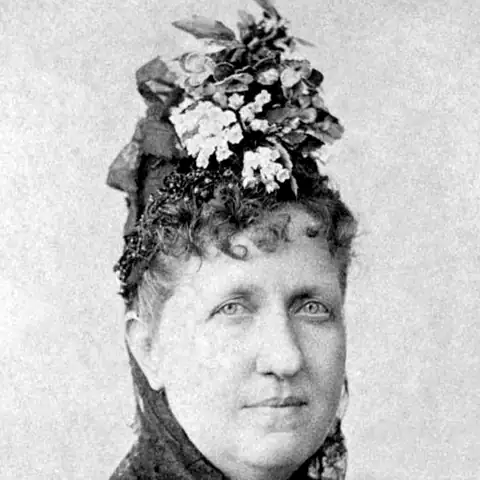
Princess Isabel of Brazil
Historical figureBrazil1846-1921

Princess Isabel of Brazil

Princess Imperial of Brazil · Regent of the Empire of Brazil (1871-1872, 1876-1877, 1887-1888)

Heir to the Brazilian throne who, as regent, signed the Golden Law of 1888 and ended slavery in Brazil, a step that cost the monarchy the support of landowners.

Profile on 12 axes6 of 12 documented
ECONOMYSTATESOCIETYWORLDOwnershipMarketsWelfareAuthoritySecurityStructureMoralityReligionTechnologyCultureTradeForeign
Where they stood

Princess Isabel of Brazil, axis by axis

  1. PublicPrivate

    The Golden Law ended slave property with no compensation to owners, which cut against property. She belonged to the landed imperial order.

  2. 02MarketsNo clear record
    PlannedFree
  3. 03WelfareNo clear record
    SharedSelf-reliant
  4. DemocraticStrong leader

    She acted within a constitutional monarchy, changing ministries by choice but not ruling alone. Near neutral, with a small lean to strong leadership.

  5. 05SecurityNo clear record
    LibertyOrder
  6. LocalCentral

    Her family defended a single imperial crown over a unitary empire.

  7. ProgressiveTraditional

    A devout, conventional aristocrat of her day.

  8. SecularReligious

    She is widely described as a devout Catholic, and Pope Leo XIII gave her the Golden Rose after abolition.

  9. 09TechnologyNo clear record
    EmbraceCaution
  10. MulticulturalNational identity

    Her abolition of slavery points mildly toward inclusion.

  11. 11TradeNo clear record
    GlobalProtected
  12. 12Foreign policyNo clear record
    CooperationStrength

6 axes have no clear record, so matching leaves them out.

Who was Princess Isabel of Brazil?

Isabel was born in 1846, the elder surviving daughter of Emperor Pedro II, and was recognized as his heir. She served as regent three times while her father travelled abroad. In 1871 she approved the Law of Free Birth, and on 13 May 1888 she signed the Golden Law, which ended slavery in Brazil. Planters who had relied on enslaved labor turned against the crown, and the monarchy fell in 1889. Isabel and her family went into exile, mostly in France, where she died at the Château d'Eu in 1921.

Political views

  • Served as regent of the empire three times while Pedro II was abroad: 1871-1872, 1876-1877 and 1887-1888.Source: archontology.org
  • Sanctioned the Law of Free Birth in 1871, which freed children born to enslaved mothers.Source: archontology.org
  • Signed the Golden Law on 13 May 1888, ending slavery in Brazil, and was hailed as the Redemptress.Source: archontology.org
  • Her support for abolition angered powerful landowners and, in the account of one historical article, weakened the monarchy ahead of its fall in 1889.Source: nolam.org
  • Historians note that abolition also came from Afro-Brazilian activists, intellectuals and formerly enslaved people, not from the crown alone.Source: nolam.org
  • Pope Leo XIII reportedly gave her the Golden Rose for the act.Source: royalwatcherblog.com
  • After 1889 the family lived in exile, first in Portugal and then in France, and gave little support to efforts to restore the throne even after Pedro II died in 1891.Source: royalwatcherblog.com
  • Her farewell statement spoke of sorrow at leaving Brazil and hope for its happiness. The ban on the family was lifted in 1920.Source: royalwatcherblog.com

Legacy

In Brazil, many honor Isabel as the Redemptress who ended slavery. Admirers credit her with moral courage for acting when the landowning class opposed her. Historians add that abolition owed much to Afro-Brazilian activists and to a long popular campaign, and that the crown acted late. Critics note that the Golden Law was brief and gave the freed people neither land nor compensation, and that Brazil was one of the last countries in the Americas to end slavery. Her remains were returned to Brazil in 1953 and reburied in the Cathedral of Petrópolis in 1971.

How close are you to Princess Isabel of Brazil?

Take the 12 Axes test and see which historical figure is your political twin, axis by axis.

Take the test

Princess Isabel of Brazil: questions

What was the Golden Law?

It was the law Isabel signed on 13 May 1888 as regent. It abolished slavery in Brazil in a very short text, and it carried no compensation for owners.

Was Princess Isabel ever empress?

No. She was heir to the throne and ruled as regent three times, but the monarchy was overthrown in 1889 before she could succeed her father.

Why was Isabel called the Redemptress?

The nickname came from her signing the Golden Law, which ended slavery in Brazil.

Sources