Minimum wage
Should the minimum wage go up?
A minimum wage is a legal floor under what employers can pay. Supporters see it as a way to make sure full-time work provides a decent living and to stop firms from paying as little as they can get away with. Critics see it as a price control. They argue that if the floor is set above what some jobs are worth to an employer, those jobs may be cut, hours reduced, or never created, and the people with the least experience lose out most.
On the 12 Axes this issue moves the markets axis. Wanting the government to raise the wage floor points toward the Planned pole, while believing such laws cost jobs points toward the Free pole. Much of the dispute is empirical, which means people on the same side of the axis can still disagree about how big the effects are. The issue also cuts across the usual left and right split. Some conservatives back a higher floor to reward work and reduce reliance on benefits, and some on the left prefer wage subsidies or collective bargaining over a single national number.
What each side argues
Raise it
- Supporters argue that anyone working full time should be able to cover basic living costs without public assistance.
- Supporters say a higher floor reduces exploitation and gives low-paid workers more bargaining power against employers.
- Supporters note that extra wages are mostly spent locally, which can support nearby businesses.
Leave it to the market
- Opponents argue that a mandated wage above a job's value leads employers to cut hours, automate or hire fewer people.
- Opponents say young and low-skilled workers are hurt most, because a minimum wage can price them out of their first job.
- Opponents prefer targeted tools such as wage subsidies or tax credits, which avoid raising costs for small firms.
2 statements on minimum wage
- The government should raise the minimum wage.Agreeing moves you toward Planned
- Minimum wage laws reduce job opportunities for low-skilled workers.Agreeing moves you toward Free
What politicians have said and done
 Anthony AlbaneseHis government delivered tax cuts, and he has supported minimum wage rises as well as scrapping junior pay rates for young adults.Source: alp.org.au
 Pauline HansonEmployers would gain more rights to dismiss staff under the workplace law changes she proposes, and she is against both minimum wage rises and same job same pay laws.Source: abc.net.au
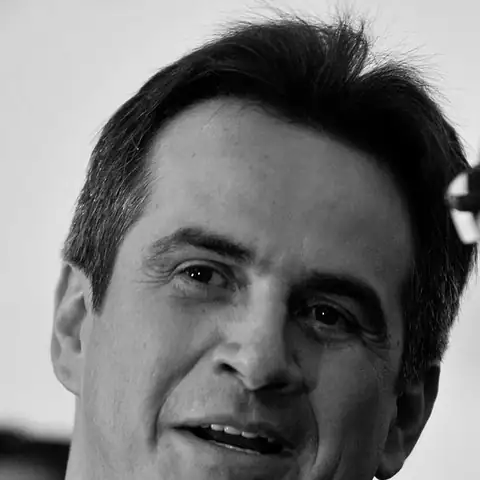 Ciro NogueiraIn November 2022 he said the transition amendment should guarantee only the R$600 benefit and the real rise in the minimum wage.Source: poder360.com.br
 Erika HiltonShe authored PL 2479/2025 on minimum pay for delivery-platform workers and mototaxi drivers, and PLP 15/2025 to take school-feeding funds out of the fiscal cap.Source: dadosabertos.camara.leg.br
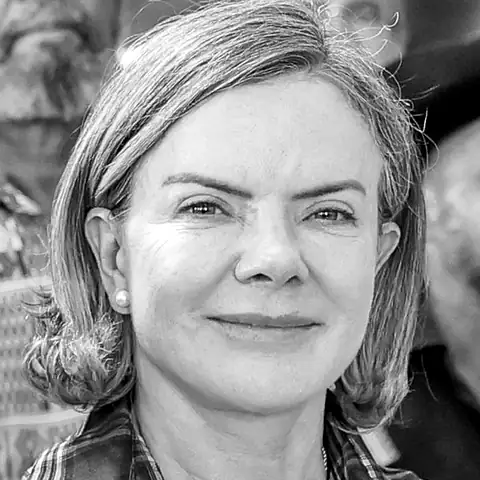 Gleisi HoffmannArgued in June 2025 that the "upper floor" should help balance public accounts, rejecting cuts to social programmes and a freeze of the minimum wage.Source: jovempan.com.br
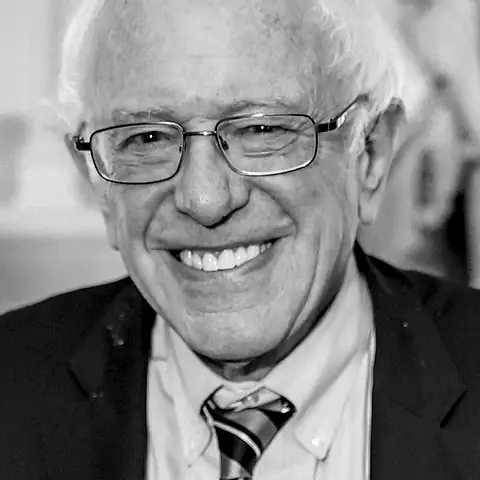 Bernie SandersThe Raise the Wage Act of 2025, which he put forward with Representative Bobby Scott in April of that year, aims for a $17 federal minimum wage by 2030 and an end to subminimum wages.Source: help.senate.gov
At each end of Markets
People whose overall profile leans furthest each way on the axis this issue moves most. A lean on the axis is not a stance on this exact issue.



More markets issues
Minimum wage: questions
Does raising the minimum wage cost jobs?
Researchers disagree. Some find that moderate increases have little effect on employment, while others find reduced hours or fewer jobs, especially for young or low-skilled workers. The result seems to depend on how high the floor is set relative to local wages and how strong the economy is.
Is the minimum wage a left or right wing issue?
Raising it is usually associated with the left, and opposing it with the right. In practice the lines blur. Some conservatives support it as a reward for work, and some economists on the left prefer other tools. On the 12 Axes it mostly moves the markets axis.
What is the difference between a minimum wage and a living wage?
A minimum wage is a legal floor that employers must follow. A living wage is a benchmark for what a worker needs to cover basic costs, and it is usually voluntary. Campaigners often want the legal minimum to rise toward the living wage level.