12axes-testTake the test
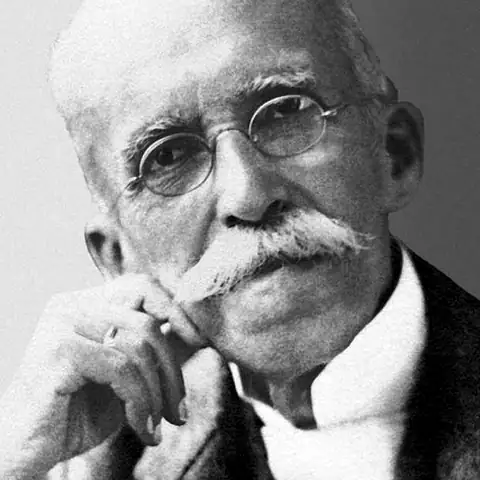
Rui Barbosa
Historical figureBrazil1849-1923

Rui Barbosa

Minister of Finance (1889-1891) · Senator for Bahia (1891-1923)

Brazilian lawyer, senator and diplomat who helped write the early Republic's laws, defended civil liberties in court and argued for equal rights among nations at The Hague.

Profile on 12 axes9 of 12 documented
ECONOMYSTATESOCIETYWORLDOwnershipMarketsWelfareAuthoritySecurityStructureMoralityReligionTechnologyCultureTradeForeign
Where they stood

Rui Barbosa, axis by axis

  1. PublicPrivate
  2. PlannedFree

    As finance minister he widened credit and note issue to help industry, which fed the speculative Encilhamento boom, though his wider outlook stayed that of a classic liberal of his century.

  3. SharedSelf-reliant

    Rests mainly on his 1919 campaign program, which offered housing for workers, limits on child labor and long hours, accident insurance and support for working mothers.

  4. DemocraticStrong leader
  5. LibertyOrder
  6. LocalCentral
  7. ProgressiveTraditional

    He spoke against a divorce bill in the Senate, even though his separation of church and state also brought in civil marriage.

  8. SecularReligious
  9. 09TechnologyNo clear record
    EmbraceCaution

    No recorded view, and the question belongs to a later age, so this axis is left blank.

  10. 10CultureNo clear record
    MulticulturalNational identity

    No recorded stance on immigration or national identity that fits here, so this axis is left blank.

  11. 11TradeNo clear record
    GlobalProtected

    No steady recorded position on tariffs. His work as finance minister dealt with credit and the money supply, not trade protection.

  12. CooperationStrength

3 axes have no clear record, so matching leaves them out.

Who was Rui Barbosa?

Rui Barbosa, from Salvador in Bahia, studied law in Recife and São Paulo. Serving the empire as a deputy for the Liberals, he fought for abolition, federalism and direct elections. When Brazil became a republic in 1889 he joined the provisional government as finance minister and helped write the 1891 Constitution. He then sat as senator for Bahia for some thirty years and became the best known critic of military meddling in politics. He ran for president in 1910 and 1919. He was also a founding member of the Brazilian Academy of Letters. He died in 1923.

Political views

  • Fronted the 1910 Civilista campaign to stop the army candidate, Marshal Hermes da Fonseca, arguing that civilians must come before the military.Source: cpdoc.fgv.br
  • Took habeas corpus cases to the Supreme Federal Court for people jailed during the state of siege under Floriano Peixoto in 1892.Source: cpdoc.fgv.br
  • Wrote the 1890 decree that split church from state, protected freedom of worship and stopped official backing for the Catholic Church.Source: cpdoc.fgv.br
  • At The Hague in 1907 he insisted that all sovereign states were equal in law, and he opposed a court plan that favored the great powers.Source: academia.org.br
  • In 1919 he proposed labor measures: restrictions on night work, accident insurance, and a legal minimum wage for young workers.Source: cpdoc.fgv.br
  • Said in 1916 that neutral nations should not stay silent when the laws of war were broken.Source: cpdoc.fgv.br
  • Spoke and wrote against a bill to legalize divorce when it came before the Senate.Source: pt.wikisource.org

Legacy

Brazilians remember Rui Barbosa as a model of legal learning, civil liberty and fine speech, and his nickname, the Eagle of The Hague, appears in school books. Admirers say he gave the Republic its federal, liberal shape and stood up for constitutional rights against military governments. Critics blame him for the Encilhamento's inflation and speculation during his time at the finance ministry. They also cite his December 1890 order to destroy ministry records on slavery. He defended it as a move to stop former slave owners claiming compensation, but others call it a loss to history. Some add that he condemned an oligarchic voting system he could not change.

How close are you to Rui Barbosa?

Take the 12 Axes test and see which historical figure is your political twin, axis by axis.

Take the test

Rui Barbosa: questions

Why was Rui Barbosa called the Eagle of The Hague?

His speeches at the 1907 Hague Peace Conference argued forcefully that all sovereign states were equal under law. They made him famous, and the nickname stuck.

Was Rui Barbosa a liberal?

Yes, in the 19th-century sense. He backed abolition, federalism, civil liberties and civilian control of the government. He also took a conservative line against divorce.

What was the Civilista campaign?

It was Rui Barbosa's 1910 run for president against the military candidate Marshal Hermes da Fonseca. He lost, but the campaign made civilian rule a major issue in Brazil.

Sources