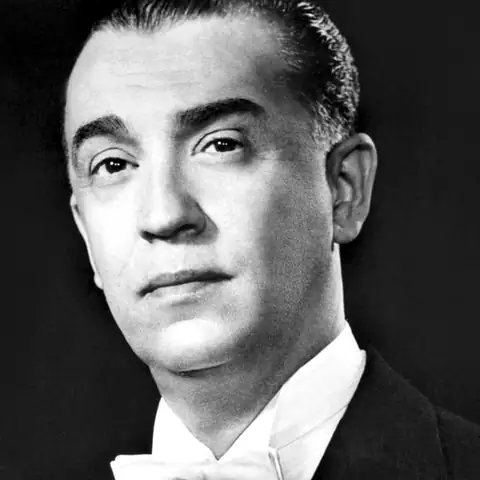
Who was Juscelino Kubitschek?
Juscelino Kubitschek was a doctor from Diamantina, in Minas Gerais. He climbed through the centrist PSD, first running Belo Horizonte as mayor and then his home state as governor. Voters made him president in 1955, and he held office from 1956 to 1961. His Targets Plan set goals for power, roads, industry and a new capital, and Brasília opened in April 1960. He won a Senate seat for Goiás in 1961 and meant to run for president again in 1965, but the military regime cancelled that vote. After the 1964 coup he lost his political rights and went abroad. He joined the Frente Ampla and died in a road accident in 1976.
Political views
- Ran a development drive built on set targets for energy, transport, heavy industry and schooling.Source: www18.fgv.br
- Signed the 1956 law that moved the federal capital inland and set the building of Brasília in motion.Source: planalto.gov.br
- Drew foreign carmakers and other multinational firms to Brazil with tax breaks and currency incentives.Source: www18.fgv.br
- Set up SUDENE in 1959 to plan growth in the poor Northeast.Source: planalto.gov.br
- Broke off talks with the IMF in 1959 instead of taking on the austerity terms it asked for.Source: www18.fgv.br
- Put forward Operation Pan America in 1958, urging the United States to treat Latin American development as a shared priority.Source: www18.fgv.br
Legacy
Many Brazilians remember Kubitschek as a figure of hope and stable democracy between the Vargas years and the generals. Supporters credit him with fast industrial growth, new highways and dams, and a modern capital planned by Lúcio Costa and Oscar Niemeyer. Critics blame him for high inflation, climbing foreign debt and the huge bill for Brasília, and some economists say his incentives favoured foreign firms and widened gaps between regions. Opponents, above all in the UDN, accused him of corruption, and the military cited such claims when it took his rights away. Fans set his mix of growth and open politics against Getúlio Vargas's dictatorship and the later military rule. Left-wing critics say his model tied Brazil more tightly to foreign capital.
In their own words
“I am leaving Brazil because this is the best way to express my protest against violence.”