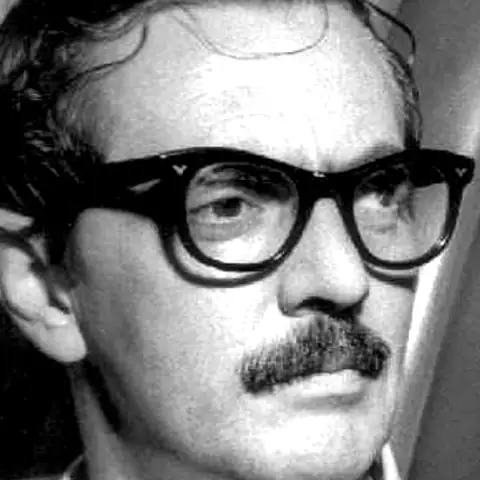
Who was Jânio Quadros?
Jânio Quadros came into the world in Campo Grande, then in Mato Grosso, and taught school in São Paulo before going into politics. He rose fast to governor of São Paulo. His symbol was a broom, a promise to sweep away corruption. In 1960 he won the presidency by a large margin with the support of the UDN and some smaller parties. He was sworn in in January 1961 and resigned on 25 August and blamed unnamed 'terrible forces'. That set off a fight over whether Vice President João Goulart could take over, and in 1964 the new military regime took away his political rights. He won back the São Paulo mayor's office in 1986 and died in 1992.
Political views
- He ran on a pledge to clean up government, and the broom became the sign of his anticorruption message.Source: www18.fgv.br
- A currency reform in 1961 unified exchange rates and cut import subsidies. The dollar's price in local money rose to more than double.Source: www18.fgv.br
- In his campaign he asked for limits on profits sent abroad and for a stronger state oil company, Petrobras.Source: www18.fgv.br
- His foreign policy was meant to be independent, and it aimed to rebuild ties and trade with socialist countries.Source: www18.fgv.br
- In August 1961 he honored Cuba's Che Guevara with the Order of the Southern Cross, which upset conservative civilian and military leaders.Source: www18.fgv.br
- He issued odd moral rules. They banned cockfights, skimpy swimsuits in beauty pageants and perfume spray at Carnival dances.Source: www18.fgv.br
Legacy
Quadros is still one of the hardest figures in Brazilian politics to read. Supporters recall an energetic administrator and gifted campaigner who won votes across party lines, and they often credit his independent foreign policy with widening Brazil's links abroad. Critics describe a personal ruler who governed by notes to ministers, looked down on parties and Congress, and mixed orthodox economics with odd moral orders. His quick exit is seen as a turning point. The military tried to stop Goulart, the country hurriedly changed to a parliamentary system, and years of unrest ended in the coup of 1964. Historians still argue over whether he quit on impulse or made a bet that failed.
In their own words
“Terrible forces rise up against me and intrigue against me or defame me, even under the pretext of collaboration.”