12axes-testTake the test
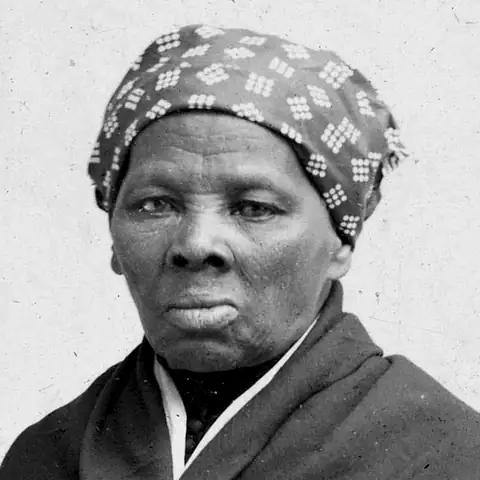
Harriet Tubman
Historical figureUnited States1822-1913

Harriet Tubman

Abolitionist and Underground Railroad conductor · Union Army scout, nurse and spy

Escaped slavery in 1849 and guided family and others to freedom on the Underground Railroad. She served the Union as a scout, nurse and spy and later campaigned for woman suffrage.

Profile on 12 axes6 of 12 documented
ECONOMYSTATESOCIETYWORLDOwnershipMarketsWelfareAuthoritySecurityStructureMoralityReligionTechnologyCultureTradeForeign
Where they stood

Harriet Tubman, axis by axis

  1. 01OwnershipNo clear record
    PublicPrivate
  2. 02MarketsNo clear record
    PlannedFree
  3. SharedSelf-reliant

    She founded a home for aged and poor Black people funded with church help, which is mutual aid.

  4. DemocraticStrong leader

    She sought votes for women and freedom for the enslaved, and she served the Union, but she acted outside the law when it protected slavery.

  5. LibertyOrder

    She broke the Fugitive Slave laws and carried a gun on her rescue trips, putting liberty and justice above the legal order of her day.

  6. 06StructureNo clear record
    LocalCentral
  7. ProgressiveTraditional

    She backed woman suffrage and women's rights.

  8. SecularReligious

    Her faith, her visions and her use of the Bible were central to her life. Her religion shaped her public work through the church, not through a call for religious law.

  9. 09TechnologyNo clear record
    EmbraceCaution
  10. MulticulturalNational identity
  11. 11TradeNo clear record
    GlobalProtected
  12. 12Foreign policyNo clear record
    CooperationStrength

6 axes have no clear record, so matching leaves them out.

Who was Harriet Tubman?

Harriet Tubman was born into slavery in Dorchester County, Maryland, around 1822. A blow to her head as a teenager left her with spells of deep sleep, and she took her visions as signs of faith. In 1849 she escaped north after her enslaver died and she feared being sold. She then returned to Maryland repeatedly to bring out family and friends. During the Civil War she served the Union Army as a scout, nurse, cook and spy. After the war she settled in Auburn, New York, supported woman suffrage and founded a home for aged Black people. She died there on 10 March 1913.

Political views

  • Escaped slavery in 1849 after her enslaver died and she faced being sold.Source: nps.gov
  • Made about 13 trips back to Maryland to bring out family and friends, and said she never lost a passenger. Accounts of how many she rescued vary, from about 70 to more than 300.Source: womenshistory.org
  • Carried a gun on her rescue trips to keep fugitives from turning back.Source: pbs.org
  • Said visions that came during her seizures assured her of freedom, and later drew on the Bible for comfort.Source: womenshistory.org
  • Served the Union Army as a cook, nurse, spy and scout, and took part in the Combahee River raid of 1 June 1863, which freed more than 700 enslaved people.Source: nps.gov
  • Backed woman suffrage and worked with suffragists in upstate New York, including Susan B. Anthony.Source: womenshistory.org
  • Founded the Harriet Tubman Home for the Aged in Auburn, with help from the AME Zion Church, to care for ill and poor people.Source: womenshistory.org
  • Frederick Douglass and John Brown both praised her courage, and she was known as Moses.Source: pbs.org

Legacy

Americans honor Tubman as one of the great figures of the fight against slavery, and as a woman who risked capture many times to free others. Admirers also point to her wartime scouting and her suffrage work. Historians caution that figures, such as how many people she freed, differ between accounts. She broke the law of her era openly and without apology. In her last years she gave her energy to the home she founded for the aged and poor.

How close are you to Harriet Tubman?

Take the 12 Axes test and see which historical figure is your political twin, axis by axis.

Take the test

Harriet Tubman: questions

How many people did Harriet Tubman rescue?

Accounts differ. The National Park Service and the National Women's History Museum say about 70 people reached freedom after her help, while an older account says more than 300 over 19 trips.

Did Harriet Tubman support women's suffrage?

Yes. After the Civil War she worked with suffragists in upstate New York, including Susan B. Anthony, and attended women's rights meetings in later life.

What did Harriet Tubman do in the Civil War?

She served the Union Army as a cook, nurse, spy and scout. On 1 June 1863 she took part in the Combahee River raid, which freed more than 700 enslaved people.

Sources