12axes-testTake the test
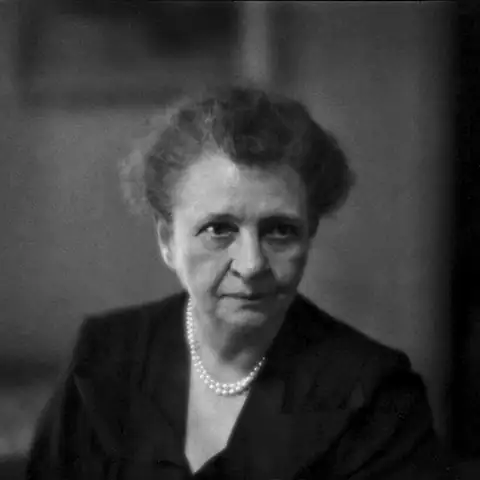
Frances Perkins
Historical figureUnited States1880-1965

Frances Perkins

US Secretary of Labor (1933-1945) · New York State Industrial Commissioner

First woman in a US cabinet and the architect of much New Deal labor law, who helped write Social Security and the Fair Labor Standards Act after the Triangle fire shaped her career.

Profile on 12 axes7 of 12 documented
ECONOMYSTATESOCIETYWORLDOwnershipMarketsWelfareAuthoritySecurityStructureMoralityReligionTechnologyCultureTradeForeign
Where they stood

Frances Perkins, axis by axis

  1. PublicPrivate

    She worked within a capitalist economy and sought regulation, insurance and labor rights, not public ownership. Only slightly left.

  2. PlannedFree
  3. SharedSelf-reliant
  4. 04AuthorityNo clear record
    DemocraticStrong leader
  5. LibertyOrder

    She refused to use federal force in strikes and opposed discrimination in federal hiring.

  6. LocalCentral

    She wanted national minimum wages, maximum hours, a child labor ban and a national Social Security system, which means federal standards over state variation.

  7. 07MoralityNo clear record
    ProgressiveTraditional
  8. 08ReligionNo clear record
    SecularReligious
  9. 09TechnologyNo clear record
    EmbraceCaution
  10. MulticulturalNational identity

    She worked to protect immigrant girls and Black migrants from exploitation and refused to deport Harry Bridges.

  11. 11TradeNo clear record
    GlobalProtected
  12. CooperationStrength

    She pushed for US membership in the International Labor Organization.

5 axes have no clear record, so matching leaves them out.

Who was Frances Perkins?

Frances Perkins was born in Boston on 10 April 1880 and studied at Mount Holyoke and Columbia. She witnessed the 1911 Triangle Shirtwaist fire, which killed 146 workers, most of them young women, and spent the next two decades on factory safety and hours laws in New York. Governor Franklin Roosevelt named her State Industrial Commissioner in 1929, and in 1933 he made her Secretary of Labor, the first woman in a US cabinet. She served all twelve years. She later taught at Cornell and died in New York City on 14 May 1965.

Political views

  • Pushed in New York for fire safety, limits on women's working hours, a minimum wage, workers' compensation and an end to child labor.Source: nps.gov
  • Sought unemployment insurance, old-age pensions, a federal minimum wage, maximum hours and a ban on child labor as her conditions for joining Roosevelt's cabinet.Source: womenshistory.org
  • Chaired the Committee on Economic Security in 1934, which produced the Social Security Act of 1935, the achievement she called her proudest.Source: encyclopedia.com
  • Helped develop the Fair Labor Standards Act of 1938, covering minimum wages, maximum hours and child labor.Source: encyclopedia.com
  • Oversaw enrollment for the Civilian Conservation Corps, which put unemployed young men to work on public projects.Source: encyclopedia.com
  • Refused to use federal force in strikes and declined to deport the longshore leader Harry Bridges despite pressure and an impeachment effort.Source: encyclopedia.com
  • Pushed for US membership in the International Labor Organization and worked for women workers' rights.Source: encyclopedia.com

Legacy

Admirers credit Perkins with building the framework of modern American labor protection and social insurance, including Social Security, and with doing so as the first woman in the cabinet. Critics at the time came from business groups and some AFL leaders, who opposed her sex and liberal views. Conservatives accused her of communist sympathies after she refused to deport Harry Bridges, and an impeachment effort in the House was dropped after investigation. Some labor figures said she was too neutral in the AFL-CIO rivalry. Historians note that her Cabinet colleagues often treated her as an outsider, and the press focused on her manner and appearance.

How close are you to Frances Perkins?

Take the 12 Axes test and see which historical figure is your political twin, axis by axis.

Take the test

Frances Perkins: questions

What did Frances Perkins do?

She was Secretary of Labor from 1933 to 1945 and the first woman in a US cabinet. She helped shape Social Security, the Fair Labor Standards Act and other New Deal labor programs.

Was Frances Perkins a communist?

No. Rumors that she was one led to an impeachment effort after she declined to deport Harry Bridges, but it was dropped after investigation. She worked within the capitalist system through regulation and insurance.

Why was the Triangle fire important to Frances Perkins?

She witnessed the 1911 fire, which killed 146 workers behind locked doors, and it shaped her reform priorities. She went on to help pass New York laws on fire safety and working hours.

Sources