12axes-testTake the test
Dom Pedro II
Historical figureBrazil1825-1891

Dom Pedro II

Emperor of Brazil (1831-1889) · Constitutional monarch under the 1824 Constitution

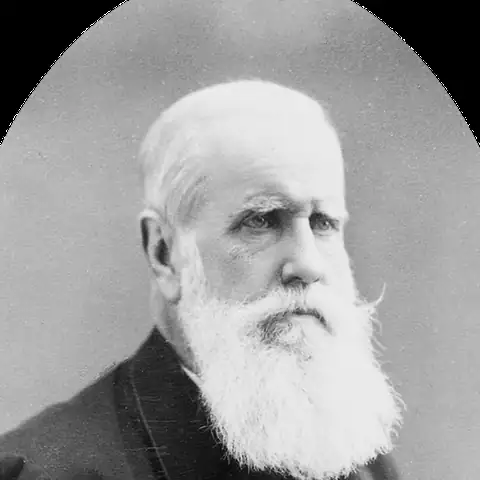
Brazil's last emperor, a scholarly constitutional monarch who ruled for 58 years, eased the country slowly towards ending slavery, and lost his throne in a military coup in 1889.

Profile on 12 axesAll 12 documented
ECONOMYSTATESOCIETYWORLDOwnershipMarketsWelfareAuthoritySecurityStructureMoralityReligionTechnologyCultureTradeForeign
Where they stood

Dom Pedro II, axis by axis

  1. PublicPrivate
  2. PlannedFree
  3. SharedSelf-reliant

    A modern welfare state did not exist as an idea in his time. The score reflects the lack of public social programs, not any view he stated.

  4. DemocraticStrong leader

    A hereditary monarch with the Moderating Power, ruling alongside a parliament chosen by a small electorate. Yet he kept to constitutional rules and rotated Liberal and Conservative cabinets.

  5. LibertyOrder
  6. LocalCentral
  7. ProgressiveTraditional
  8. SecularReligious

    Catholicism was the state religion, and in the 1870s he quarrelled with bishops in the Religious Question. Personally he was drawn to science and rational thinking.

  9. EmbraceCaution
  10. MulticulturalNational identity

    He welcomed European settlers, partly as a replacement for enslaved labour. That was not a pluralist policy as we would use the term today.

  11. GlobalProtected

    Imperial tariffs moved between raising revenue, protecting industry and openness. No steady personal doctrine on trade is recorded.

  12. CooperationStrength

Who was Dom Pedro II?

Pedro II became Emperor of Brazil as a small child in 1831, when his father Pedro I gave up the throne. He took full power in 1840. The 1824 Constitution let him pick ministers and dissolve the lower house, and he used this to swap Liberal and Conservative governments. His long reign was mostly stable. The slave trade ended in 1850, Brazil fought the Paraguayan War in 1864-1870, and slavery was finally abolished in 1888. Army officers declared a republic in November 1889. Pedro was sent into exile and died in Paris in 1891.

Political views

  • Used the Moderating Power in the 1824 Constitution to hand office back and forth between the Liberal and Conservative parties.Source: planalto.gov.br
  • Kept Brazil a centralized state in which the imperial government chose provincial presidents.Source: planalto.gov.br
  • Supported the 1850 Eusébio de Queirós Law, which banned bringing enslaved Africans into Brazil, under heavy British pressure.Source: en.wikipedia.org
  • Preferred ending slavery step by step. The 1871 Law of Free Birth became law while his daughter Isabel was acting as regent.Source: planalto.gov.br
  • Allowed a mostly free press, even when newspapers attacked the monarchy from republican and anti-slavery positions.Source: en.wikipedia.org
  • Kept the Paraguayan War going until Paraguay's leader, Francisco Solano López, was killed in 1870.Source: en.wikipedia.org
  • Backed science, schooling and new inventions, and in 1840 bought a daguerreotype camera and became the first photographer in Brazil.Source: en.wikipedia.org

Legacy

Many Brazilians remember Pedro II as a learned, plain-living ruler. Admirers say he held a huge country together, honoured parliamentary habits, put up with sharp criticism and backed science and the arts. Critics reply that he acted slowly on slavery, and that Brazil was the last country in the Americas to end it. They also say his system rested on a small electorate and on patronage, and that the Paraguayan War cost enormous numbers of lives. By 1889 many saw the monarchy as outdated and few defended it. His remains were brought back to Brazil in the 1920s and lie in Petrópolis cathedral.

How close are you to Dom Pedro II?

Take the 12 Axes test and see which historical figure is your political twin, axis by axis.

Take the test

Dom Pedro II: questions

Was Dom Pedro II a dictator?

No. He ruled under a written constitution with a parliament and ministers. His Moderating Power was wide, since he could appoint cabinets and dissolve the Chamber, but he normally worked within the rules.

Did Dom Pedro II end slavery in Brazil?

Not by himself. He favoured gradual abolition. The slave trade stopped in 1850, children born to enslaved women were freed from 1871, and the Golden Law of 1888 ended slavery. Princess Isabel signed that law.

How did Dom Pedro II lose his throne?

Army officers and republicans staged a coup on 15 November 1889 and declared a republic. The monarchy had lost support among the army, the Church and slaveholders, and there was little resistance.

Sources