12axes-testTake the test
Chico Mendes
Historical figureBrazil1944-1988

Chico Mendes

Rubber tapper and union leader in Acre · Founder of the extractive reserve idea

Brazilian rubber tapper and union organizer who led nonviolent forest stand-offs against cattle ranchers in Acre, helped win the first extractive reserve, and was shot dead by a rancher's family in 1988.

Profile on 12 axes7 of 12 documented
ECONOMYSTATESOCIETYWORLDOwnershipMarketsWelfareAuthoritySecurityStructureMoralityReligionTechnologyCultureTradeForeign
Where they stood

Chico Mendes, axis by axis

  1. PublicPrivate

    The reserves he fought for keep the land in federal ownership while handing its use to forest dwellers. That is collective use rather than private estates, but the reserves are not a full state economy.

  2. 02MarketsNo clear record
    PlannedFree
  3. SharedSelf-reliant

    His union ran schools on the rubber estates and offered literacy classes, so the score leans to shared provision.

  4. DemocraticStrong leader

    He used mass nonviolent stand-offs and union organizing, and he pressed the state to protect the forest. The score is democratic but not extreme.

  5. LibertyOrder
  6. LocalCentral
  7. 07MoralityNo clear record
    ProgressiveTraditional
  8. 08ReligionNo clear record
    SecularReligious
  9. EmbraceCaution

    He wanted to stop forest clearing for cattle ranching and protect the forest economy. That is a call for caution toward large-scale land conversion, not a stance on technology in general.

  10. MulticulturalNational identity

    He allied the tappers with Indigenous peoples in 1986, which suggests a pluralist lean.

  11. 11TradeNo clear record
    GlobalProtected
  12. 12Foreign policyNo clear record
    CooperationStrength

5 axes have no clear record, so matching leaves them out.

Who was Chico Mendes?

Francisco Alves Mendes Filho, known as Chico Mendes, was a rubber tapper, or seringueiro, from Xapuri in the state of Acre, in the Brazilian Amazon. He became the central figure of the tappers' campaign around the Xapuri Rural Workers' Union, which was founded in 1977. Its aim was to stop ranchers clearing the forest for pasture. He led stand-offs called empates, in which tappers faced the work crews and urged them to put down their saws. In 1987 he received the Global 500 prize and the Better World Society prize. He was shot dead at his home on 22 December 1988.

Political views

  • He argued that the forest and the tappers' livelihoods, built on rubber and Brazil nuts, depended on each other, and he campaigned against clearing land for cattle.Source: nvdatabase.swarthmore.edu
  • His main tactic was the empate, a stand-off in which tappers confronted hired work crews and urged them to stop cutting. Many of the crews were former tappers.Source: nvdatabase.swarthmore.edu
  • The campaign stayed nonviolent in the face of beatings and arrests, and its members used singing. Women and children later moved to the front of crowds to deter police gunfire.Source: nvdatabase.swarthmore.edu
  • The first National Rubber Tappers Congress in 1985 proposed legally protected forest areas managed by the people who lived in them.Source: nvdatabase.swarthmore.edu
  • In 1986 the tappers' union allied with Brazil's Indigenous peoples.Source: nvdatabase.swarthmore.edu
  • He pushed for contested land to be set aside as an extractive reserve, where residents could harvest nuts, rubber and other forest products in ways that keep the forest standing.Source: nationalgeographic.com
  • In the reserve model that came from this movement, the federal government owns the land and grants the use of its resources to traditional dwellers.Source: culturalsurvival.org
  • His union set up schools on the rubber estates, which gave literacy and environmental education.Source: nvdatabase.swarthmore.edu

Legacy

Admirers credit Mendes with turning a local fight over rubber trees into a global model for protecting forests with the people who live in them. In October 1988 the government created the first extractive reserve, and in March 1990 the Chico Mendes reserve near Xapuri followed. Reserves and other protected areas now cover about 13 percent of the Amazon, according to one expert. The record also shows limits. A database on the campaign says living conditions for tappers did not improve, and illegal logging continued. Ranchers' armed gunmen murdered union leaders from 1985, and Mendes warned authorities for over a month before he was killed. Killings of land defenders in Brazil continue.

How close are you to Chico Mendes?

Take the 12 Axes test and see which historical figure is your political twin, axis by axis.

Take the test

Chico Mendes: questions

Who killed Chico Mendes?

He was shot dead in Xapuri on 22 December 1988 by a gunman from a local ranching family, angry about the tappers' blockades. The two sources read give different first names for the shooter, so check court records for the exact name.

What is an extractive reserve?

It is a protected forest area where residents harvest products such as nuts and rubber in ways that keep the forest standing. The federal government owns the land and grants its resources to traditional dwellers.

Was Chico Mendes an environmentalist?

He is remembered as one, but he began as a union organizer defending the livelihoods of rubber tappers. His case was that the people and the forest depended on each other.

Sources

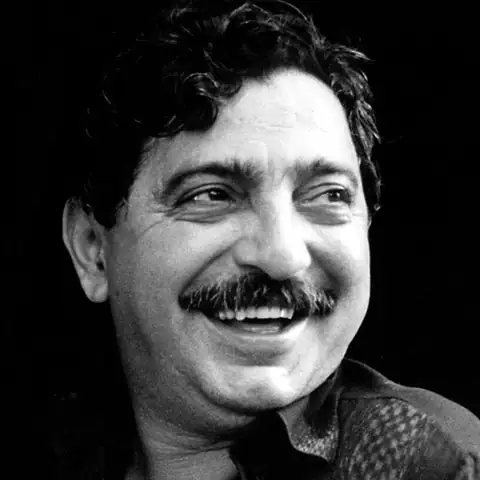
Portrait: Chico Mendes in 1988.jpg by Miranda Smith, Miranda Productions, Inc., CC BY-SA 3.0, via Wikimedia Commons. Cropped and converted to grayscale by 12axes-test.com.