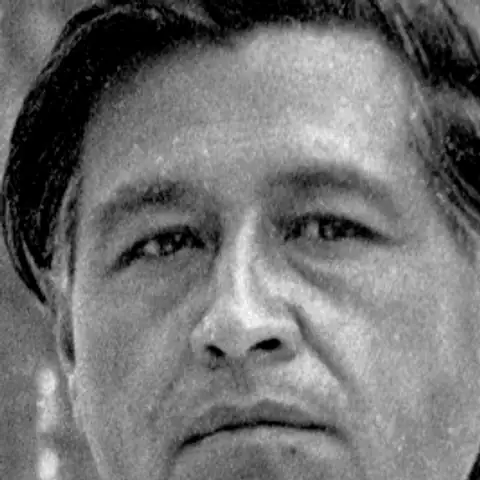
Who was Cesar Chavez?
Cesar Chavez was born in 1927 near Yuma, Arizona, to a Mexican American family. He spent two years in the Navy after the war began and then worked in the fields. In the 1950s he joined the Community Service Organization, which signed up voters, and he rose to lead it nationally. In 1962 he and Dolores Huerta founded the group that became the United Farm Workers. From 1965 he led the Delano grape strike and a national boycott, which ended with grower contracts in 1970. He also helped pass California's 1975 farm labor law. He died in 1993, and in 1994 he was given the Presidential Medal of Freedom.
Political views
- Created the first lasting farm workers' union in the country, aiming for better pay and safer work in the fields.Source: nps.gov
- Stuck to nonviolence. His tools were strikes, pickets and boycotts, plus a long march in 1966 that covered 340 miles from Delano to the state capital.Source: ufw.org
- Went without food in water-only fasts in 1968, 1972 and 1988, which he said renewed his commitment to nonviolence.Source: ufw.org
- Pushed for state laws that let farm workers organize and bargain together, and helped win California's 1975 Agricultural Labor Relations Act.Source: en.wikipedia.org
- Warned of the harm pesticides did to field workers and to people who bought the produce.Source: ufw.org
- In the 1970s he opposed illegal immigration because he saw undocumented workers as people used to break strikes.Source: en.wikipedia.org
Legacy
For years Chavez was seen as the leading Latino figure of his century. Admirers credit him with making Americans look at farmworkers' lives and with winning the first lasting union contracts in farming. His birthday became a federal day of remembrance in 2014. Critics said he ran the union in an autocratic way and purged rivals, and his 1970s push against undocumented workers brought violence at the border and split him from allies. In March 2026 The New York Times reported accounts from many women who said he sexually abused them in the 1960s and 1970s, some of them girls. Dolores Huerta was among them. His family did not deny the reports. He cannot answer, and many places named for him have since been renamed or reviewed.