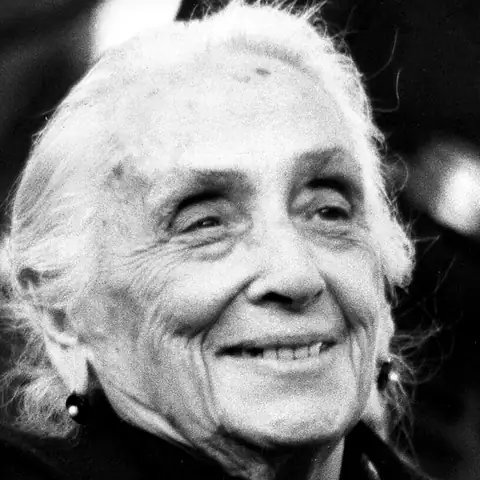
Who was Dolores Ibárruri?
Dolores Ibárruri was born in 1895 to a mining family in Gallarta in the Basque Country and worked as a seamstress. She joined the Spanish Communist Party around 1920-1921, wrote for the party press as La Pasionaria and reached its Central Committee by 1930. Elected to the Cortes in February 1936, she made her best-known radio speech after the July military rising, urging resistance with the slogan No pasarán. After the Republic fell she lived in the Soviet Union for decades and led the party until 1960. She returned in 1977, won a seat for Asturias and died in Madrid in 1989.
Political views
- Wrote for the communist press under the name La Pasionaria from 1918 and was in the Central Committee by 1930.Source: girlmuseum.org
- Was arrested in 1931 for sheltering a communist wanted by the Civil Guard, and campaigned in the press for better conditions for Spanish women.Source: marxists.org
- Helped organize the World Conference of Women Against War and Fascism in 1934.Source: marxists.org
- Won a Cortes seat for the Popular Front in February 1936 and on 19 July 1936 urged resistance to the military rising with the slogan No pasarán.Source: girlmuseum.org
- Went into exile in the Soviet Union after the Republic's defeat and led the Spanish Communist Party as secretary general until she stepped down in 1960.Source: encyclopedia.com
- Backed causes later embarrassing to many communists, including the campaign to liquidate the anti-Stalinist POUM.Source: encyclopedia.com
- Returned to Madrid in May 1977 after the party was legalized, and won a seat for Asturias in the first free elections since 1936.Source: encyclopedia.com
Legacy
Admirers see La Pasionaria as the voice of the Republic's resistance and a rare working-class woman who rose to national leadership, honored in Spain as a national hero. Critics note that she stayed loyal to the Soviet Union and Stalin for decades, and that she backed the communist drive to liquidate the anti-Stalinist POUM during the Civil War. She received the Lenin Peace Prize in 1964 and the Order of Lenin in 1965.