Refugees and asylum
Do countries owe refuge to those fleeing war?
The refugee question is about what a country owes to people who flee war or persecution. One view holds that protecting the desperate is a moral duty, supported by shared human rights, and that rich and safe countries should take their part. The other view holds that a state's first duty is to its own citizens, that it must control who arrives, and that help is better given close to the danger zone than through resettlement far away. Both sides usually accept some obligation and argue over its size.
On the 12 Axes, the statement moves the culture axis. Agreeing that countries have a duty to take in refugees pulls toward Multicultural, since it treats humanity as the unit of concern. Disagreeing pulls toward National identity. The issue cuts across the usual left and right split. Many religious conservatives stress a duty to welcome strangers, while some on the left worry about the effect on low paid workers or on public support for welfare. Practical concerns about capacity often matter as much as principle.
What each side argues
Duty to protect
- Supporters say turning away people in danger breaks a basic moral duty.
- Supporters argue that shared rules on asylum protect everyone, because any person may one day need refuge.
- Supporters believe refugees often rebuild their lives and contribute to the places that take them in.
Control who enters
- Opponents say a country must be able to set limits to keep order and public trust.
- Opponents argue that help is better and cheaper when given near the conflict than through long journeys.
- Opponents worry that open asylum systems can be misused and strain housing and services.
The statement on refugees and asylum
- Countries have a duty to take in refugees fleeing war or persecution.Agreeing moves you toward Multicultural
What politicians have said and done
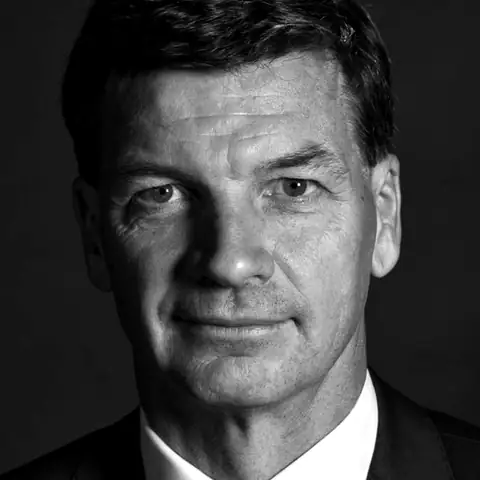 Angus TaylorHe would halve the humanitarian intake, from 20,000 to 10,000 places, limit new international student enrolments to 240,000, and abolish temporary graduate visas.Source: thenightly.com.au
 David ShoebridgeSpeaking as immigration spokesperson in 2025, he announced that the Greens would close offshore detention for asylum seekers and call a Royal Commission on immigration detention.Source: greens.org.au
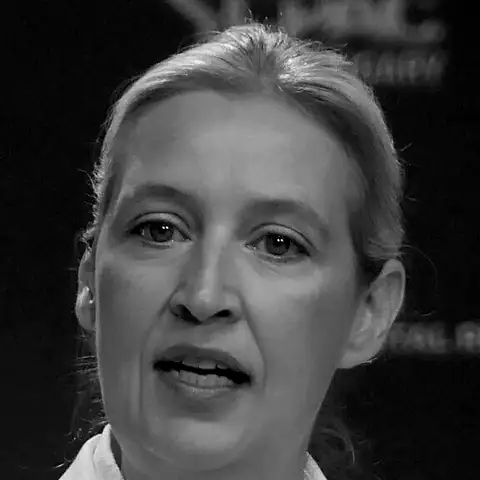 Alice WeidelSpeaking in January 2025, she said an AfD government would withdraw from the shared EU asylum system, dismantle wind turbines and bring working nuclear plants back online.Source: zdfheute.de
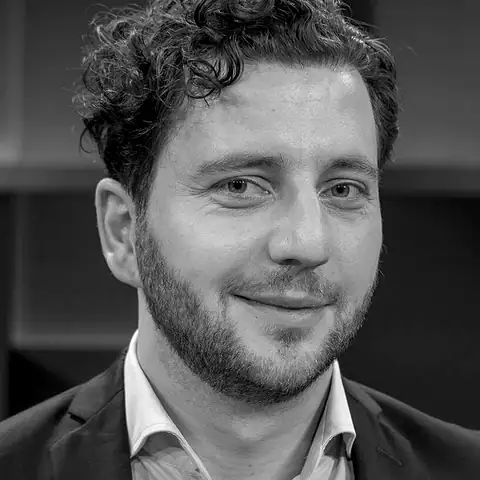 Felix BanaszakRefugees with subsidiary protection would have lost family reunification for a time under a measure he opposed with his vote in June 2025.Source: abgeordnetenwatch.de
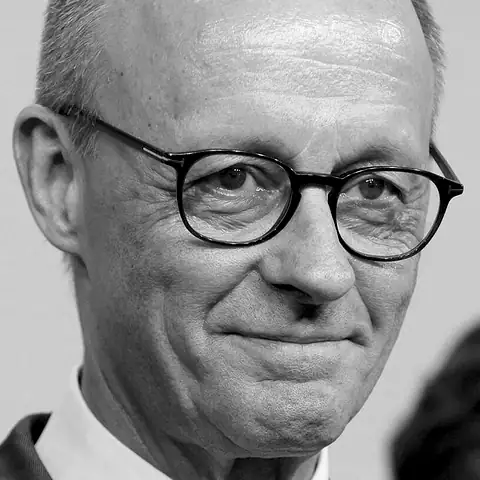 Friedrich MerzHe voted in February 2026 for legislation putting the EU asylum reform into German law, including border procedures at airports and seaports.Source: abgeordnetenwatch.de
 Heidi ReichinnekHer February 2026 vote opposed the law that implements the EU asylum reform with its border procedures.Source: abgeordnetenwatch.de
- Heidi ReichinnekThe June 2025 suspension of family reunification for refugees with subsidiary protection met with her vote against.Source: abgeordnetenwatch.de
 Lars KlingbeilFebruary 2026 saw him vote for the law putting the EU asylum reform into practice, border procedures included.Source: abgeordnetenwatch.de
 Kemi BadenochA Removals Force that deports 150,000 people annually is among her proposals, alongside barring asylum claims from people who enter illegally.Source: conservatives.com
 Zack PolanskiIn December 2025 he argued that what is spent on Calais enforcement should go toward a humanitarian response for migrants.Source: nation.cymru
 Viktor OrbánSpeaking during the migration crisis of 2015, he described EU policy as madness and Muslim refugees as a threat to the Christian identity of Europe.Source: theguardian.com
 Giorgia MeloniA deal with Tirana let Italy build migrant processing centres in Albania, though Italian courts repeatedly stopped them from holding asylum seekers.Source: rferl.org
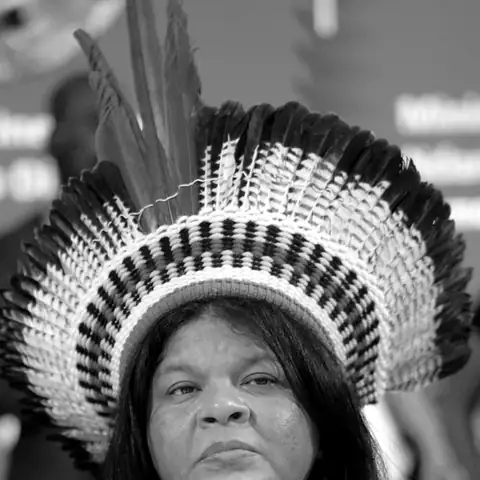
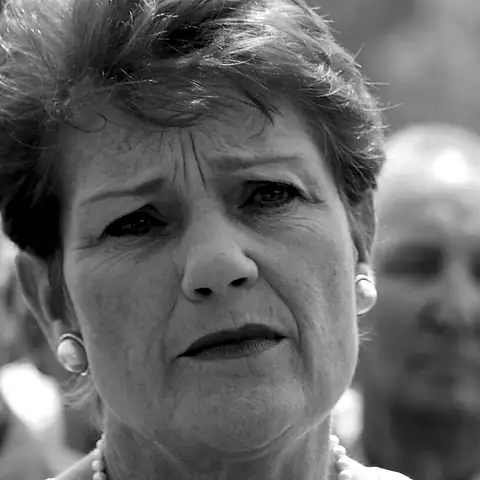
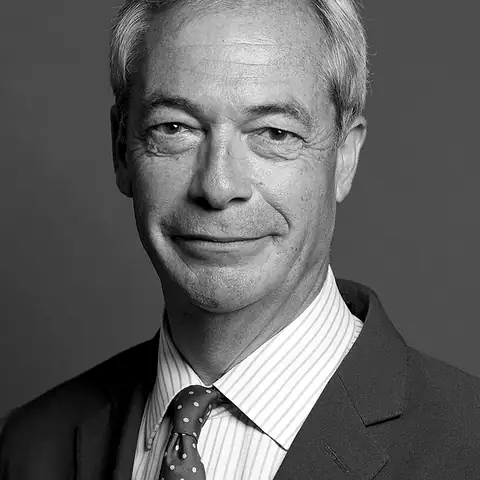
At each end of Culture
People whose overall profile leans furthest each way on the axis this issue moves most. A lean on the axis is not a stance on this exact issue.



More culture issues
Refugees and asylum: questions
What is the difference between a refugee and an economic migrant?
A refugee flees danger such as war or persecution and seeks protection. An economic migrant moves mainly to find work or a better standard of living. In practice the line can blur, and much of the argument is about who qualifies and how claims should be judged.
Do countries have a duty to accept refugees?
Many people say yes, citing human rights and shared moral duty. Others say duty is limited by a country's capacity and by its obligations to its own citizens. Most positions fall between the two, supporting protection but disagreeing on how many people and by what process.
Is helping refugees a left or right wing position?
It is often linked to the left, but religious conservatives and many liberals on the right also stress a duty to help. Skeptics come from both sides too, citing costs or social cohesion. The culture axis, which runs from Multicultural to National identity, captures much of the divide.