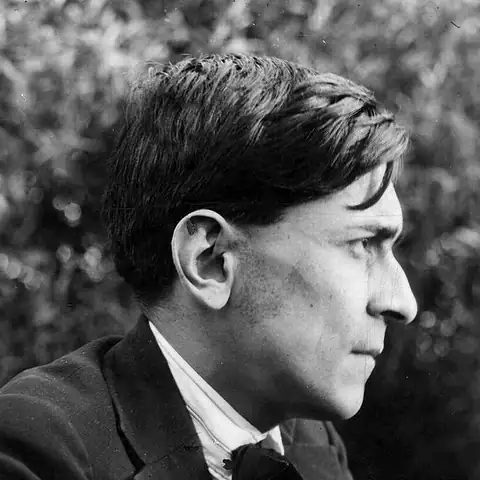
Who was José Carlos Mariátegui?
Mariátegui was born in Moquegua in 1894. A school accident left him bedridden for years, and he became a journalist. In 1919 the Peruvian government sent him to Italy, where he studied socialism and reported on the Livorno Congress. He returned in 1923, lectured at the Popular University and founded the journal Amauta in 1926. In 1928 he published Seven Interpretive Essays on Peruvian Reality and became general secretary of the new Socialist Party. His right leg had been amputated in 1924, and he lived with poor health. He died in Lima in April 1930, aged 35.
Political views
- He held that Marxism began in Europe but must be rethought for local conditions, and he called it a compass rather than a fixed route.Source: mariategui.org
- Against stagist models, he argued that socialism could be the starting point of revolution in Peru, not a task to postpone until after capitalist development.Source: mariategui.org
- He saw the Andean ayllu, a communal form of village life, as having proto-socialist traits that could help seed a national movement.Source: mariategui.org
- He rejected paternalistic framings of the Indian question and treated Indigenous struggle as central to national liberation.Source: mariategui.org
- His Seven Essays covered the role of religion, colonial feudalism, economic development, the place of the Indian, education and literature in Peru.Source: encyclopedia.com
- He opposed fascism and wrote against its spiritual appeal from within the socialist camp.Source: mariategui.org
- In 1928 he broke from the APRA circle and helped found the Socialist Party, which held a Marxist-Leninist line and drew mainly middle-class members.Source: encyclopedia.com
Legacy
Mariátegui is widely regarded as one of the most important reform voices in Latin America, and the Seven Essays did much to channel leftist thought in Peru. Admirers credit him with adapting Marxism to an agrarian, largely Indigenous country instead of copying Europe, and with placing the Indigenous question at the center of the national debate. His party drew mainly middle-class members, and his illness and early death left little time to build it. The Peruvian state closed Amauta in 1927 and interned him, and it shut the workers' paper Labor in 1929. His reading of Andean communal life as proto-socialist remains debated.