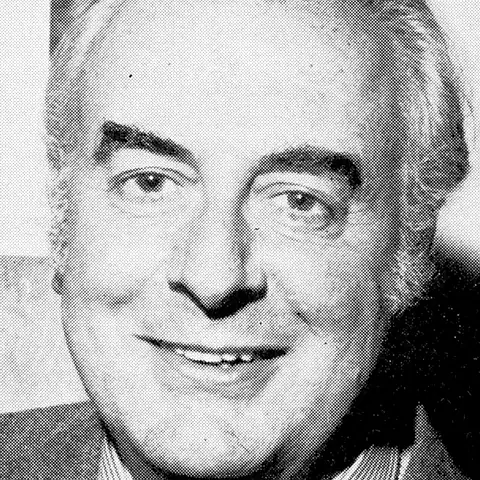
Who was Gough Whitlam?
Gough Whitlam was born in Melbourne in 1916. He flew with the air force in the Second World War and then worked as a barrister. He won a seat in Parliament in 1952 and became Labor leader in 1967. In 1972 his party won on the slogan It's Time, which ended 23 years of conservative rule. In 1975 the Senate refused to pass the budget. On 11 November the Governor-General, Sir John Kerr, dismissed Whitlam, and Labor lost the election that followed. He remained leader until 1977 and died in 2014. In 1983 a new Labor government made him Australia's ambassador to UNESCO.
Political views
- Said in 1972 that his aims were equality, a say for ordinary people in decisions and room for Australians to use their talents.Source: moadoph.gov.au
- Promised one health insurance scheme for all, replacing a system in which richer people paid less.Source: moadoph.gov.au
- Named a return to full employment as Labor's top job in 1972.Source: moadoph.gov.au
- Ended the draft, released men jailed for refusing it and scrapped the sales tax on contraceptives.Source: theguardian.com
- Gave diplomatic recognition to the People's Republic of China, made university free and recognised Aboriginal land rights.Source: theguardian.com
- Reduced all tariffs by a quarter in 1973.Source: en.wikipedia.org
- Changed immigration policy to focus on reuniting families and keeping existing migrants, rather than recruiting new ones.Source: moadoph.gov.au
- Planned land commissions that would buy land for homes, national parks and public beach access.Source: moadoph.gov.au
Legacy
Admirers say Whitlam modernised Australia in just three years. They list Medibank, the forerunner of Medicare, free tertiary study, land rights, no-fault divorce, laws against racial discrimination and a foreign policy that stood on its own. His sacking is still one of the most argued-over events in the country's history, and some supporters say he was beaten by an outdated constitutional process. Critics point to high inflation and unemployment, fast-rising spending and the loans affair, which cast doubt on his government's handling of money. The Guardian adds that many could not forgive his line on Indonesia's takeover of East Timor. Both sides still use his short term as a yardstick for bold reform.
In their own words
“Labor will trust the people.”