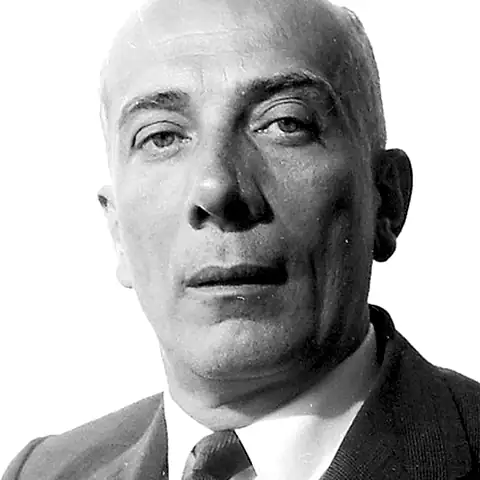
Who was Ulysses Guimarães?
Born into a lawyer's career in Rio Claro, São Paulo, Ulysses Guimarães first won a seat in the Chamber of Deputies in 1950, for the PSD. In 1961-1962 he was a minister for industry and commerce. After the generals created a two-party system in 1965, he went into the opposition MDB and became its president. His 1973 'anticandidacy' against the regime's nominee was a symbolic protest at censorship and repression. He became a leading face of Diretas Já in 1984, chaired the 1987-1988 assembly and stood for president in 1989. He died in 1992 when a helicopter crashed off Rio de Janeiro.
Political views
- His 1973-1974 anticandidacy was a platform against the censorship that gagged newspapers, broadcasting, theater and cinema under the generals.Source: www18.fgv.br
- He took part in the 1984 Diretas Já movement for direct presidential elections.Source: www18.fgv.br
- He guided the drafting of the 1988 Constitution and gave it the nickname 'Citizen Constitution' for its broad civil and social rights.Source: www18.fgv.br
- He supported a charter that turned health care for all, social security and workplace protections into rights that come with citizenship.Source: planalto.gov.br
- He saw defending constitutional order as a duty to the country, and he condemned dictatorship and tyranny across Latin America.Source: camara.leg.br
- He preferred negotiation and wide opposition fronts, which kept together a PMDB that included conservatives and former leftists.Source: www18.fgv.br
Legacy
In 1984 the press dubbed him 'Senhor Diretas' (Mr. Direct Elections), and Brazil remembers him as a symbol of its return to democracy. Admirers say he kept a lawful opposition alive during military rule and led a split assembly to a constitution that broadened rights and restored civilian institutions. Critics of the 1988 text, mostly economic liberals, say it tied the state to expensive social and budget promises and to nationalist economic rules. Some of these were changed later. Others recall that he first backed the 1964 coup and did badly in the 1989 race, when voters wanted new faces. His 1973 slogan 'Navegar é preciso, viver não é preciso' became a lasting opposition emblem.
In their own words
“We hate dictatorship. Hatred and disgust.”
“A traitor to the Constitution is a traitor to the homeland.”