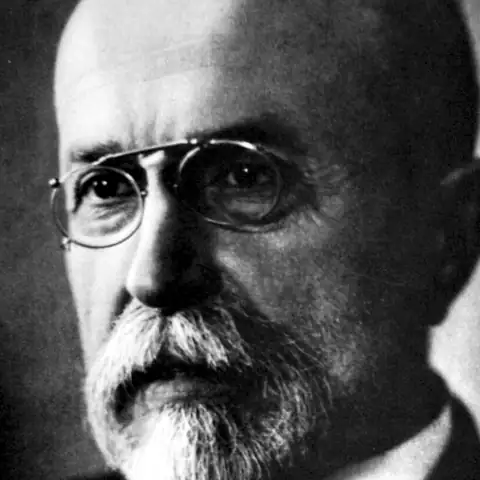
Who was Tomáš Masaryk?
Tomáš Masaryk, born in 1850 in Hodonín to a Slovak father and a German mother, earned a doctorate in philosophy in Vienna and became a professor in Prague. He entered politics through the Realist party and sat in the Imperial Parliament from 1907. During the First World War he worked abroad for a Czech and Slovak state, and in 1918 he was acclaimed president-liberator. He held the office until he resigned in 1935 and died in 1937. Czechs and Slovaks still treat him as a symbol of their democracy.
Political views
- Supported universal suffrage, women's equality and workers' rights.Source: encyclopedia.com
- Defended Leopold Hilsner, a poor Jew convicted of ritual murder, in 1899 despite strong popular opposition, and in 1909 defended Croats and Serbs tried for treason.Source: encyclopedia.com
- Wrote that national pride must rest on truth and rejected narrow chauvinism, while promoting Czech-Slovak unity over the old Bohemian state-rights claim.Source: encyclopedia.com
- Left the Catholic Church, joined a Protestant church and saw religion mainly as an ethical imperative, with the Hussite tradition at the core of Czech identity.Source: rozhlas.cz
- Favored separating church and state along American lines, but it was not adopted in 1918-1920, largely because of the situation in Slovakia.Source: rozhlas.cz
- Was elected first president by the provisional National Assembly in 1918; the 1920 constitution then set up a parliamentary democracy with universal suffrage.Source: countrystudies.us
- Is described as the figure who held Czechoslovak democracy together, though practice under his presidency differed from the constitutional ideal.Source: countrystudies.us
Legacy
Admirers credit Masaryk with founding a parliamentary democracy in Central Europe, a state built from parts of the old Habsburg Empire, and with personal courage in the Hilsner case. The first republic protected minority languages where a group made up 20 percent of a district. Critics note that the state named a Czechoslovak nation as its creator, that Sudeten Germans and Hungarians were not represented in the provisional assembly and wanted out, and that the central government kept tight control over regions, including Slovakia. Practice differed from the ideal under his presidency. Land reform in 1919 broke up large estates with compensation. Internal strains and foreign aggression destroyed the first republic.