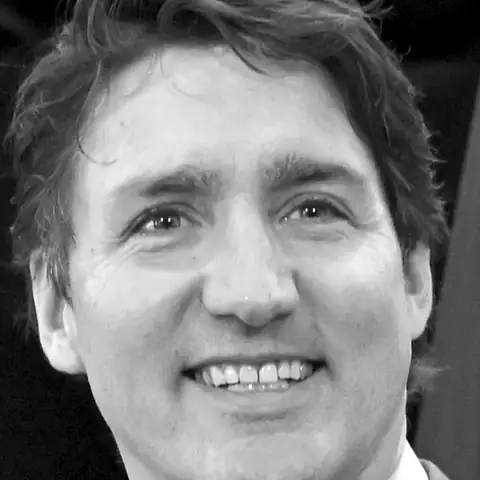
Who is Justin Trudeau?
Justin Trudeau is the eldest son of Pierre Trudeau and was born in Ottawa in 1971. Before politics he attended McGill and the University of British Columbia and then taught high school in Vancouver. Montreal's Papineau riding sent him to Parliament in 2008. Liberals chose him as leader in 2013, and in 2015 he won a majority. Minority governments followed in 2019 and 2021. He announced in January 2025 that he would go, and in March he left the prime minister's job and did not stand again. He holds no public office. In 2026 he became a co-founder of a film and television company.
Political views
- Launched the Canada Child Benefit in 2016 and, the same year, expanded the Canada Pension Plan.Source: en.wikipedia.org
- Brought in recreational cannabis legalisation through the Cannabis Act of 2018.Source: laws-lois.justice.gc.ca
- Created a national carbon price by passing the Greenhouse Gas Pollution Pricing Act in 2018.Source: laws-lois.justice.gc.ca
- Allowed medical help in dying from 2016, but only for adults whose death was reasonably foreseeable.Source: cbc.ca
- Set a goal of 500,000 permanent newcomers a year by 2025, and in 2024 announced lower immigration targets.Source: en.wikipedia.org
- Used the Emergencies Act for the first time ever in February 2022, aiming to bring the Freedom Convoy protests to a close.Source: en.wikipedia.org
- Called his social outlook progressive and feminist, and spoke up strongly for abortion rights.Source: en.wikipedia.org
Legacy
His supporters give Trudeau credit for the Canada Child Benefit, cannabis legalisation and a national carbon price. They also cite the CUSMA agreement reached while the Trump administration pressed Canada, the $10-a-day child care program and work on Indigenous reconciliation. Critics reply that the federal ethics commissioner ruled twice against him on conflict of interest, over the Aga Khan and SNC-Lavalin. They also mention an electoral reform pledge he dropped, big deficits and the blackface photos that surfaced in 2019. Civil libertarians disliked the Emergencies Act decision, and in 2024 a Federal Court judge found it unjustified. Rapid population growth through immigration, a housing squeeze and higher living costs wore down his popularity. He resigned once Liberal MPs turned on him.